1 Answers 2019-08-02
If so, were there any knock on effects, however temporary, on the world economy?
1 Answers 2019-08-02
1 Answers 2019-08-02
Is there any biography on Lenin that places him in the context of his times , and is well balanced on his flaws and achievements?
1 Answers 2019-08-02
[deleted]
1 Answers 2019-08-02
2 Answers 2019-08-02
I've seen plenty of debate about this, especially in communist spaces, calling into account Lenin's testament of:
"Comrade Stalin, having become Secretary-General, has unlimited authority concentrated in his hands, and I am not sure whether he will always be capable of using that authority with sufficient caution. Comrade Trotsky, on the other hand… is personally perhaps the most capable man in the present C.C.
Stalin is too rude and this defect, although quite tolerable in our midst and in dealing among us Communists, becomes intolerable in a Secretary-General. That is why I suggest that the comrades think about a way of removing Stalin from that post and appointing another man in his stead who in all other respects differs from Comrade Stalin in having only one advantage, namely, that of being more tolerant, more loyal, more polite and more considerate to the comrades, less capricious, etc."
However, I have also seen a fair bit of claims that say that Stalin was the preferred successor, and claiming this idea is based on misinformation or even outright propaganda. Knowing the general difficulty of studying the USSR without a political bias, I have been unable to work out who Lenin wished to be the successor.
Do any historians have any answers on this?
1 Answers 2019-08-01
2 Answers 2019-08-01
One of my grandparents sibilings has a picture of a man in uniform. Need help identifying where the uniform the picture is from, it's a white and black picture. Where should I post it?
1 Answers 2019-08-01
I understand that it is an entire army essentially wiped out, but Germany still had a lot of armies available. Was it because the 6th army had a lot of tank divisions attached to it? Was it because it was bigger than other armies? Somebody explain to me why the loss of it is so hyped up.
1 Answers 2019-08-01
My limited knowledge on the North American colonial era is that the British had a rather hands-off approach to diplomacy with Native tribes. Treaties, declarations, and other such deals seemed to contribute to the separation of Native and British lands, straining their relationship instead of turning it into one of ruler and ruled. After the Treaty of Paris, the British showed little interest in maintaining a relationship with the Natives as well. Nevertheless, during the war for Revolution, those Tribes active in the frontier-lands seemed to actually help the British by attacking colonists in the west, and it would seem many tribes had ongoing agreements with the British.
What factors determined the ways in which the British carried out their imperialism in America vs the rest of the world? Why was the strategy with the natives to push them back into the frontier instead of subjugating them to rule like they did in much of the rest of their empire?
1 Answers 2019-08-01
1 Answers 2019-08-01
Hello guys! This is one of my first posts on reddit so I am sorry if the format won't be that good.
I wish to participate at the history olympiad and other history-related contests this year but I have a pretty big issue - I don't know how to write essays about historical topics. I know the information, I undestand it and even like learning about it, but when the time comes to put it into paper from a historical perspective - the cause and effect relationship, putting together different opinions, looking at everything objectively and using historical terms etc. - my brain becomes a mess.
I have no problems thinking or talking about the subjects, the only one is essay writing. I tried to read some books with examples of essays already written and then write my own on other subjects but it still didn't help much.
So I am asking for some advice on this. How can I get this situation better?
2 Answers 2019-08-01
According to Wikipedia:
"Not long afterwards, the nascent democracy was overthrown by the tyrant Peisistratos, but was reinstated after the expulsion of his son, Hippias, in 510. Cleisthenes issued reforms in 508 and 507 BC that undermined the domination of the aristocratic families and connected every Athenian to the city's rule. Cleisthenes formally identified free inhabitants of Attica as citizens of Athens, which gave them power and a role in a sense of civic solidarity.[8] He did this by making the traditional tribes politically irrelevant and instituting ten new tribes, each made up of about three treaties, each consisting of several demes. Every male citizen over 18 had to be registered in his deme."
The last Roman king was Lucius Tarquinius Superbus ("Tarquin the Proud"). In the traditional histories, Tarquin was expelled in 509 because his son Sextus Tarquinius had raped the noblewoman Lucretia, who afterwards took her own life. Lucretia's father, her husband Lucius Tarquinius Collatinus, and Tarquin's nephew Lucius Junius Brutus mustered support from the Senate and army, and forced Tarquin into exile in Etruria.
Both historical have the following in common:
Is this just coincidence?
1 Answers 2019-08-01
Isn't the scientific method a pretty straight forward way to isolate variables and find out how things work? Were people actively using some form of the scientific method long before the 1700's ?
1 Answers 2019-08-01
1 Answers 2019-08-01
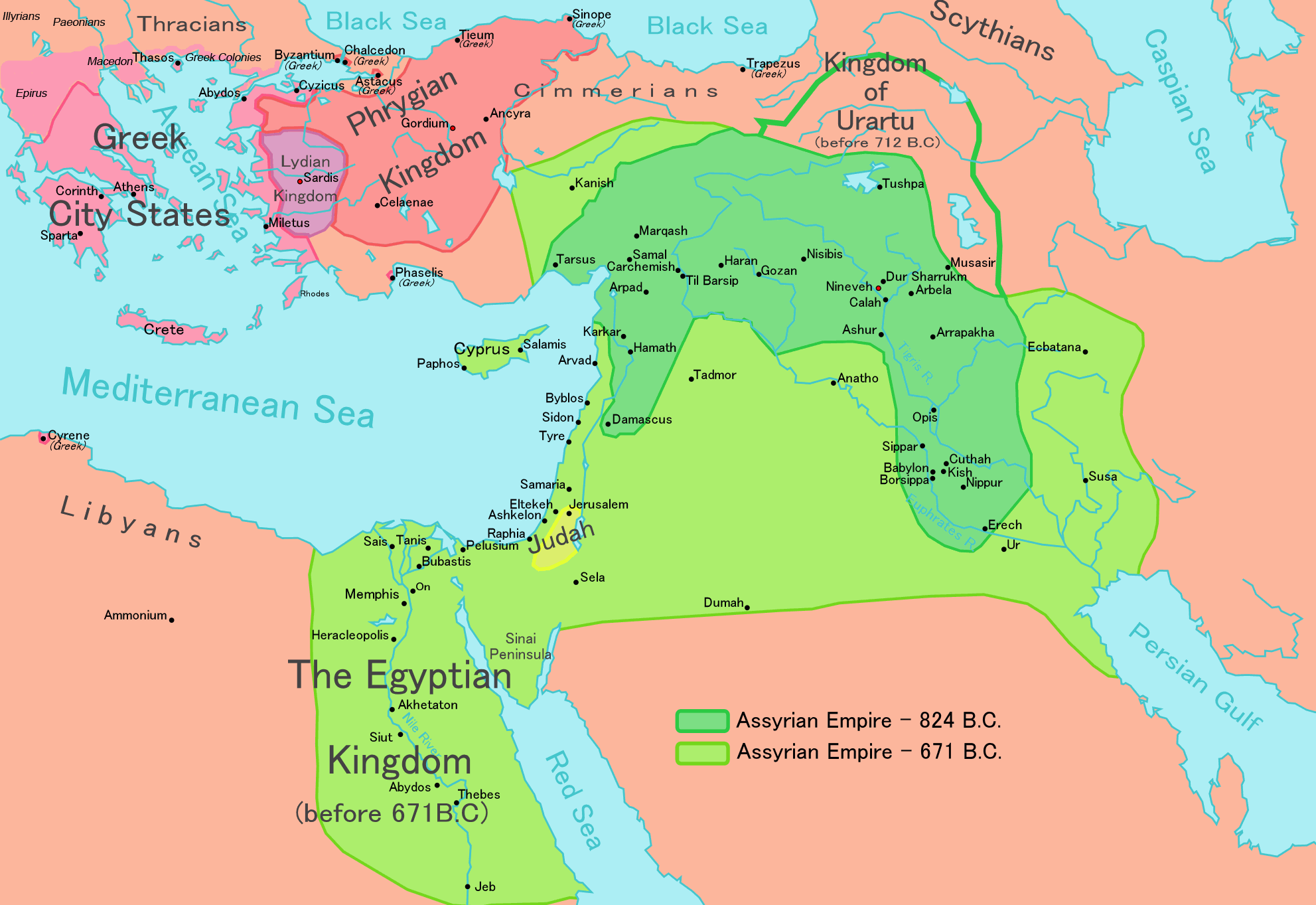
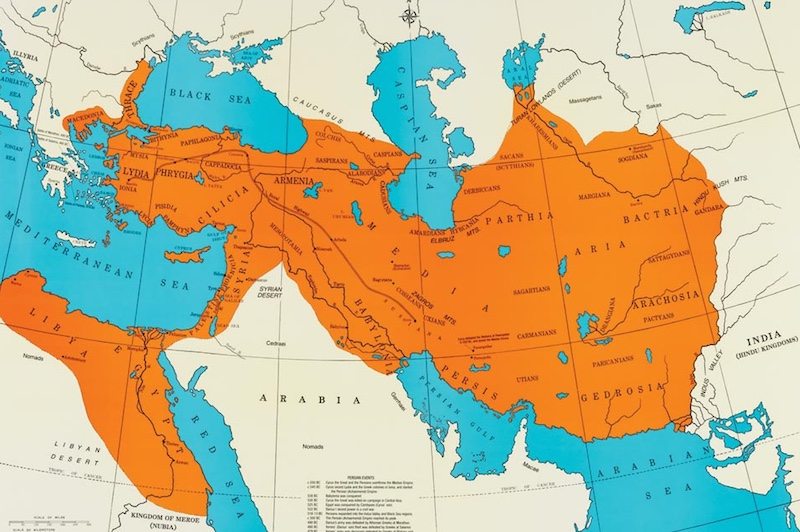
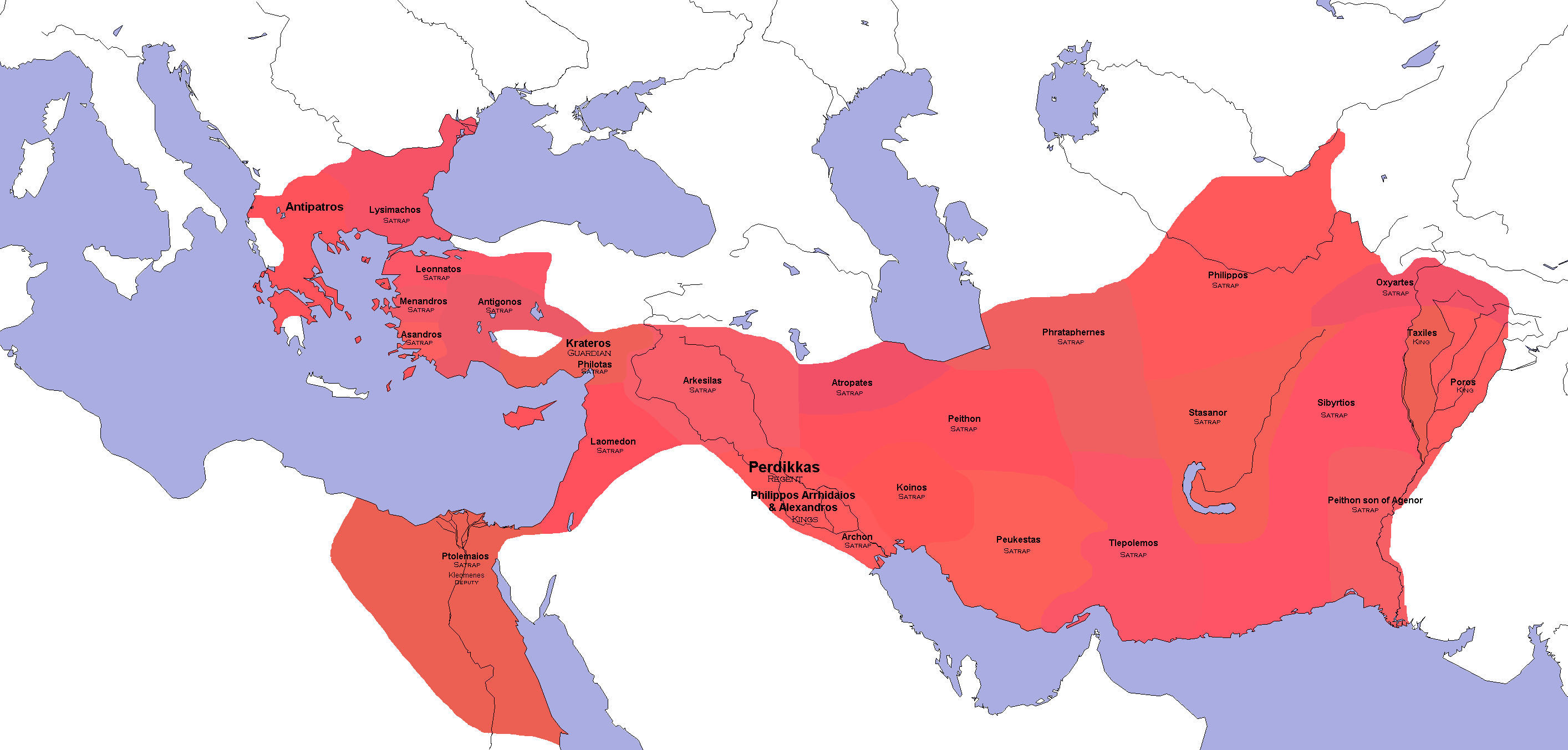
Because almost every empire has mapped only its tips and completely avoids the center of it.
Examples:
etc.
I get it, it's a desert, but still? They know it's there, they've encircled it and still "not ty"?
1 Answers 2019-08-01
1 Answers 2019-08-01
I recently watched a video on youtube from a history teacher who made this exact claim. He is a self described communist so I take everything he says with a huge grain of salt. As a German I know a bit about WW2 history so I immediately understood where he was coming from, but also that he was heavily manipulating the audience. He of course did NOT mention Lend-Lease and the enormous amount of food and military aid received by the Soviet Union during WW2. As I understand it there was also controlled leakage of intelligence to the Soviet particularly when it comes to enigma. I've heard all sorts of arguments about what won WW2, for instance I remember seeing a documentary as a child that argue that Britain's superior radar technology had won the war. So here is my question: would it be fair to say that without cooperation of the allies the USSR wouldn't have won? At least not in time, because by the end of 1945 America would have been able to drop a nuke on Germany, and end the war.
1 Answers 2019-08-01
Especially during time of political extremes, of social unrest, and of people being misled by propaganda, and their emotions assaulted by demagogues from all sides?
Do Historians Have a Duty to Inform the Public of the Lessons of the Past? Why aren't historians come out in force during times of turmoil and remind people of what humanity learned through blood and suffering?
2 Answers 2019-08-01
The third chapter of the book discusses the conflict of slavery in 1790 when two petitions approached Congress. Maybe it’s the wording but a passage reads: “Madison provided the clearest gloss on its fresh meaning by explaining that, instead of imposing an eighteen-year moratorium on congressional action against slavery, the amendment made it unconstitutional "to attempt to manumit them at any time." The final report passed by the House in effect placed any and all debate over slavery as it existed in the South out of bounds forever. What had begun as an initiative to put slavery on the road to extinction had been transformed into a decision to extinguish all federal plans for emancipation. By a vote of 29 to 25 the House agreed to transcribe this verdict in the permanent record”. The author goes on to discuss how the ban on discussing slavery was used by southerners prior to the American Civil War.
So this makes it sound like by 1808 the slave trade couldn’t be limited, but it could and it DID. I have a feeling that I’m confusing the two and that by 1808 the slave TRADE could be limited but slavery itself couldn’t be limited and that’s the argument used by southerners prior to the Civil War, that the House can’t influence slavery itself. Am I correct in this conclusion or am I missing something?
1 Answers 2019-08-01
So it appears there was a radio broadcast about Hiroshima by the Japanese government but was this all known in Nagasaki prior to its atom bomb?
1 Answers 2019-08-01
I'm interested in the history of the Greek peninsula under Roman rule from anywhere between the 1st and 7th centuries CE. This could be anything pertaining to social, economic, administrative or intellectual history.
1 Answers 2019-08-01
I know she spent 3 years in the czech republic with the Kinderlandverschickung (Germany sent many german children to neighbour countries to escape the cruelties of war) and I heard one story from her where american soldiers made all the students line up in front of the school there and passed her with the words “too young“. I'm not pointing any fingers, war brings out the worst in humans. I will never know the feeling of a soldier, your job to kill the enemy, when a month ago you were a barber, baker or teacher (or student). she also suffered from hunger and similar but what strikes me is that she and also my deceased german grandparents often had to chuckle when they spoke about their experience with the war (my granddad throwing himself on the ground in the field he scavenged for potatoes when allied fighters flew close over his head, 70 years later remembering with a smirk on his face.) I guess its their way of coping, they were children back then. I just want to use the opportunity as she is an eye witness to something that has happened not too long ago in terms of history but so long ago that it seems out of the grasp of my mind. I also just learned that her father fought in Verdun. Time has taken its toll on her but she is good with words and has a brilliant memory.
Edit: It was probably unwise to include the “too-young-story“ but it was one that stuck with me. I am aware of the vast sacrafice the allies made to liberate europe.
16 Answers 2019-08-01