Hey,
I am doing a research paper on this topic and I was looking to see reddit's opinion. I've only just started reading up on the topic, but what I've noticed is that there are two views of the industrial revolution. One that suggests a semantic error of Industrial Revolution, which holds that term is inaccurate as the rate of growth was slower then "revolution" implies. The other view scraps the relevancy of the rate of growth and rather focuses on the new opportunity to create long-term growth, the transformation of output and employment patterns, and the social/political consequences of the revolution itself.
Thanks!
It was a revolution in much the way that the spreading of the internet was a revolution; old industries were transformed, new industries cropped up, and society changed around the growth. Much in the same way, it began with small roots, but rapidly grew in the mid to late 19th century; it was a true transformation.
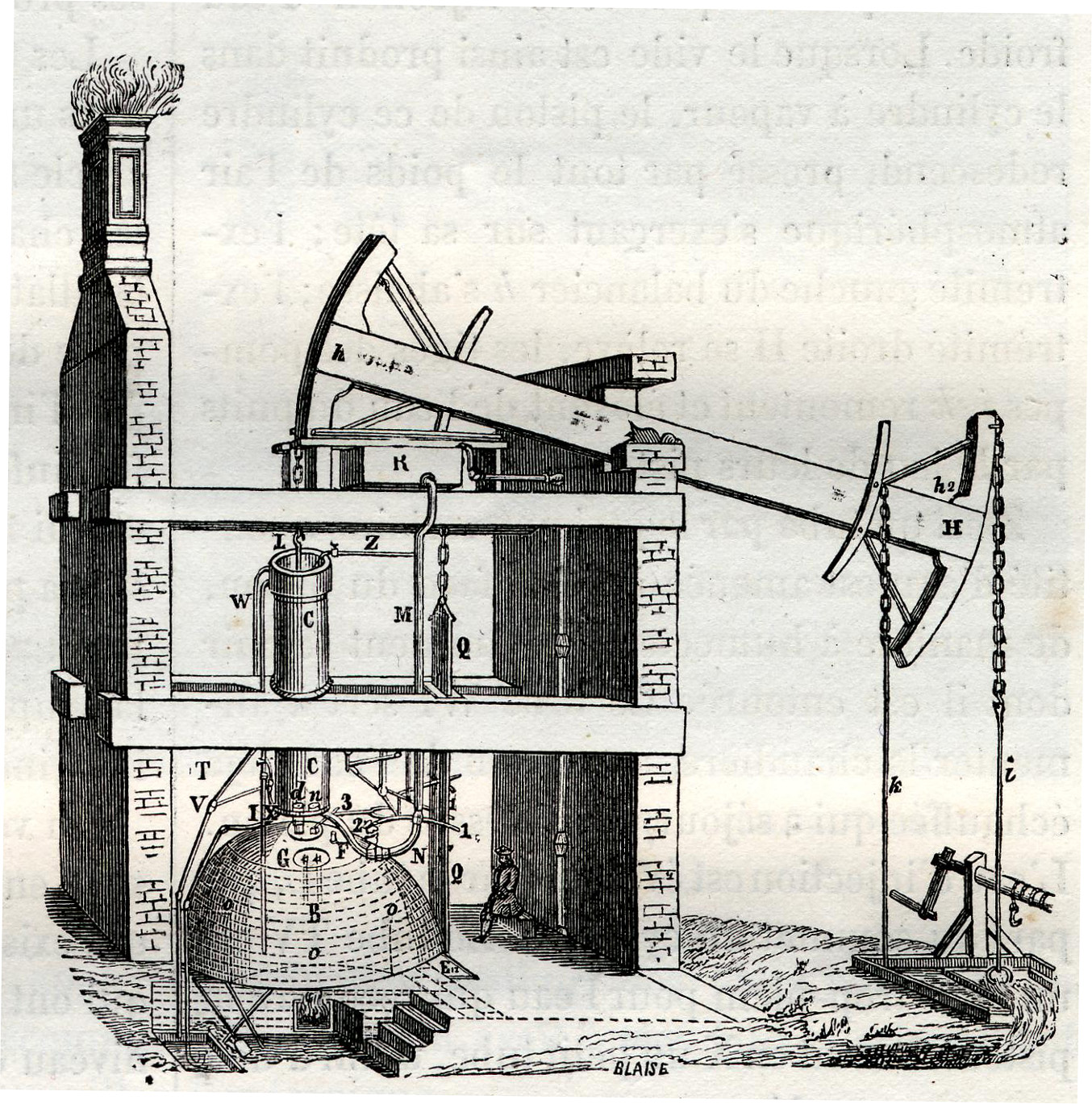
As early as the beginning of the 18th century, steam driven and complex machinery began seeing more and more use throughout England. Consider, for one, the Newcomen Engine which was introduced around 1710, 1720 to pump water from mines. Over the next century, Newcomen's engine and others drastically increased the rate of mining. Eventually, steam powered transport in both steamboats and later locomotives became more and more common.
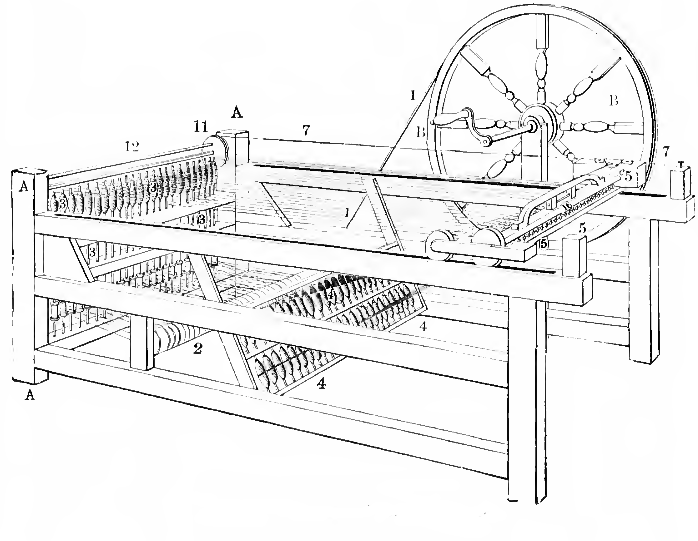
The other big technical change was with textile manufacturing and the development of textile factories as opposed to having a cottage industry in both the U.S. and Great Britain. Around 1760, the spinning jenny came out in England, vastly reducing labor needs. Whereas before, textiles were more rough spun in the cottage industries using flax and wool, with the spinning jenny and later the spinning mule, cotton became much more profitable and widespread.
As for the social changes, this can be evidenced by viewing the transition of the home from a place of business to a place of leisure. As mentioned, cottage industries were the norm before the industrial revolution. This meant the family unit was involved in the production of goods (such as with textiles and yarn making) and the home was then where the family's business was operated out of. Additionally, children were much more present around most homes (whereas before, they would often be sent off to learn some trade by means of apprenticeship and thus be removed from the family unit). Whereas servants, family, and apprentices all had slept in the same rooms in the 18th century and before, and rooms changed purpose as the situation changed, gradually the home became divided into specific, more static rooms.
Judith Flanders, in her book Inside the Victorian Home, writes:
The house was the physical demarcation between home and work, and in turn each room was the physical demarcation of many further segregations, involving hierarchy (rooms used for visitors being of higher status than family-only rooms), function (display rating more highly than utility), and further divisions of public and private... "Subdivision, classification, and elaboration, are certainly distinguishing characteristics of the present era of civilisation," the journalist George Augustus Sala noted in 1859.