In Italy, capes, mantles and the likes were quite a common garment, especially in the richer classes (but not limited to them), since roman times. You can see examples in various works of art, like paintings (i.e. Giotto's "The Gift of the Mantle"), literature (I Promessi Sposi) and so on. They were quite common, at least in Italy, until late 1800 - early 1900. Mantles are still part of the "high uniforms" in some military corps, like cadets from Modena's Military Academy, and part of religious attires.
Long capes were common and popular in Madrid during the mid XVIII century. Many Spaniards are aware of the fact because we study the Esquilache Riots at school, which were sparked when Esquilache, a minister of Charles III, tried to ban long capes and broad hats.
The actual causes of the riots were undoubtedly more profound, but the idea of the riots breaking out exclusively in response to banning the cape has stuck in Spanish popular culture.
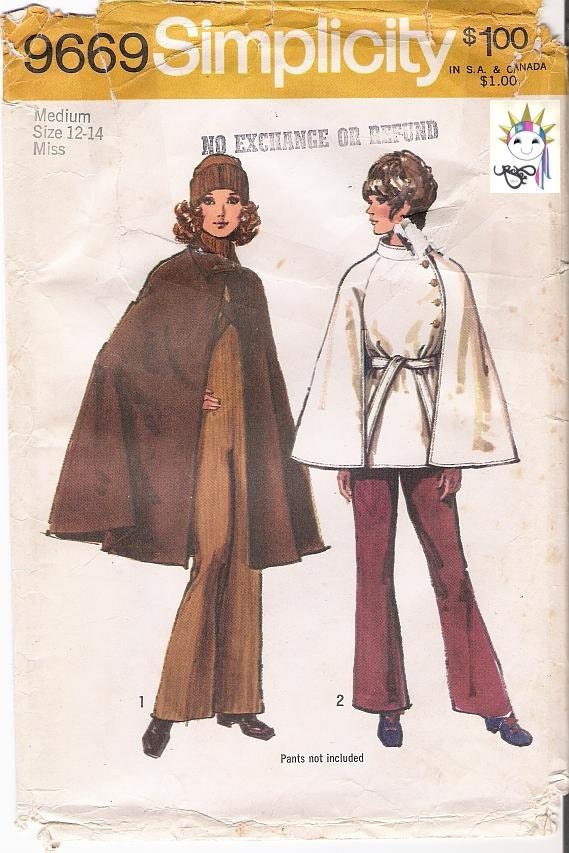
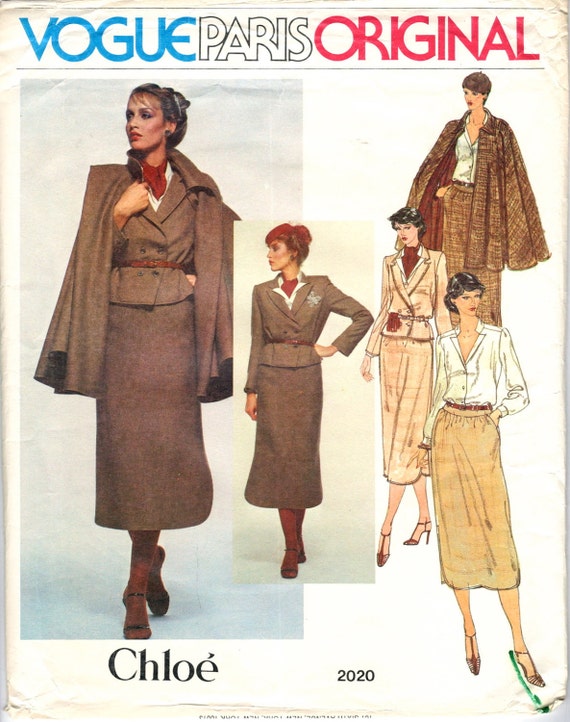
You may be more interested in capes as a practical item of clothing, but during the 1970s capes were worn for fashion. Modern fashion also occasionally 'brings back' the cape as a 70s style but it doesn't last long, so it must be a widely recognised style if modern fashion designers use it to hark back to a certain period. This site has some info although it feels a bit limited: http://www.fashion-era.com/Coats_history/cloak_history_4.htm
I'm struggling to find any academic sources because this isn't really my area, but here are a few pictures of patterns from that period.
http://www.bustingdiva.com/au/images/patterns/bd1970-007.jpg
http://www.thevintageknittinglady.co.uk/images/25june2013/emu2960a.jpg
http://img0.etsystatic.com/008/0/7220235/il_570xN.379271688_epia.jpg
https://img0.etsystatic.com/000/0/6355008/il_570xN.328724229.jpg
I find it interesting that a lot of the images you can find online are of just the patterns - a cape would have been very easy to make compared to a shirt or fitted dress, and also a lot of the capes are crocheted which is an easy technique and was popular in the 60s and 70s. My mother was a teenager in the 70s and made capes and a hooded cloak, probably because of this reason as well as the fact that it was a popular style.
In Alexandre Dumas's novels, particularly the various ones related to Three Three Musketeers (Twenty Years After and Ten Years Later) and set in mid-17th century France, there is plenty of cape wearing. In fact, D'Artagnan first meets Porthos when he gets tangled up in a supposedly fancy new cape Porthos has just bought and is bragging about only to see that the underside of the cape is made of some cheap material. Not sure if that serves as any kind of evidence since the novels were written much later than the events depicted but as far as I know Dumas painted fairly accurate portraits of the time.