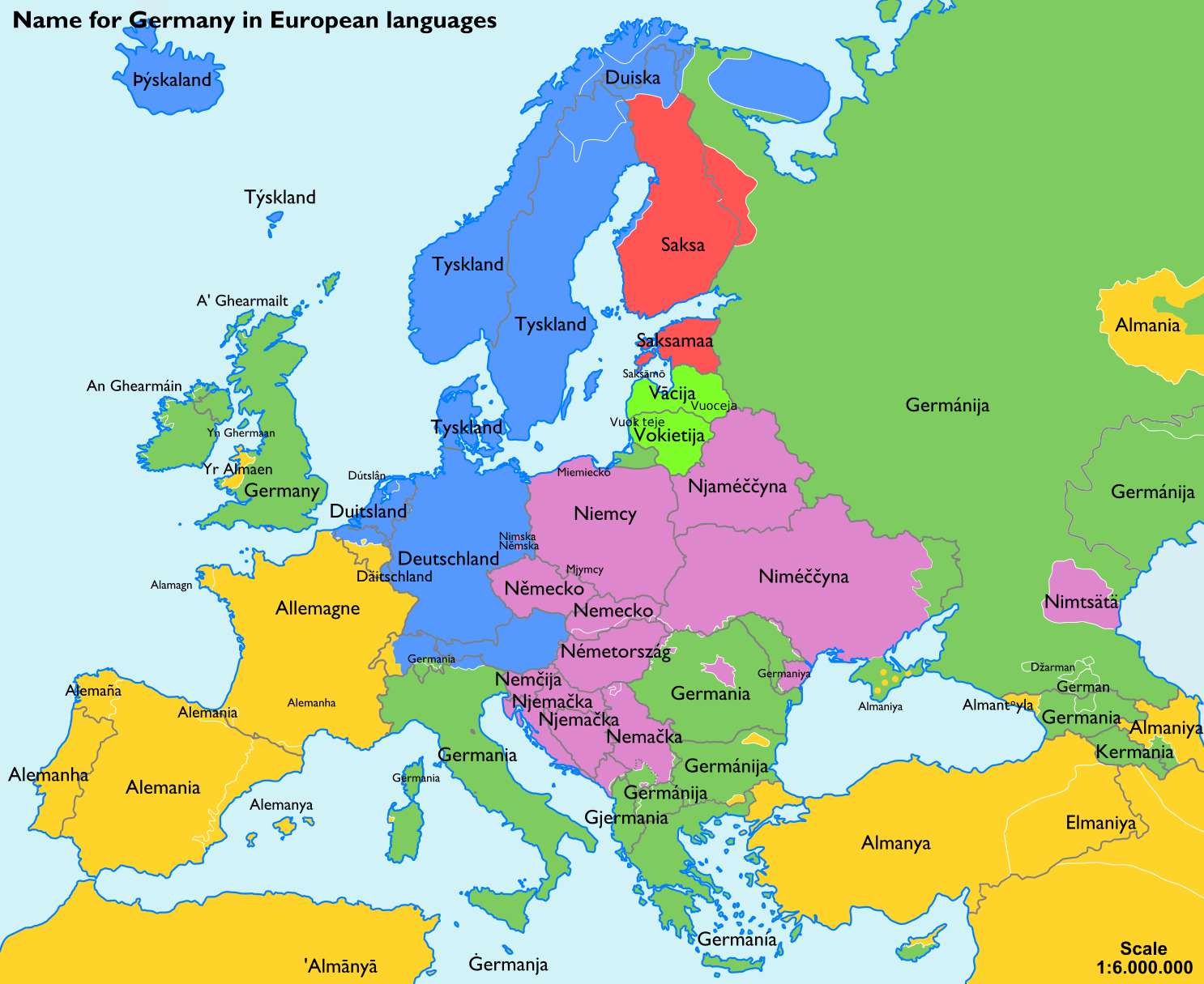
For example:
Germany/Deutschland
Japan/Nippon
I am sure there are countless other examples, but you get the idea.
The 4 languages with which I am familiar use a direct translation of United States. So.....what gives?
hi! this is more of a linguistics question (and if I recall correctly, there's an article on this topic in the /r/linguistics FAQ), but there are a few previous related posts archived in this sub's FAQ* too:
Why do countries have different names in other languages?
*see the link on the sidebar or the wiki tab
In the case of Germany, they're simply different roots. English uses the Latin word, whereas German uses the native Germanic root that also produced Dutch and Teutonic. Germany specifically has a lot of different roots in different countries--some Romance languages use words from Alemanni, the name of a German tribe. See here.
For Japan, the name is "Japan" because it was filtered through other languages. Japan is borrowed indirectly from the Malay borrowing of the Chinese translation of "nippon".
See the following etymonline references:
edit: To broaden the answer, these are kinda the general reasons you get different names over time. "Paris" is pronounced differently in English and French because both English and French pronunciations of the word have shifted over time. Sometimes the English word is based on a different word than the language in that place. "Egypt" is from the Greek name for Egypt, which is taken from a name for a particular city, while other languages used other origins for names.
So the two reasons in your example (which exist more broadly) is using a different root word than another language, and in names changing over time and by going through other languages.