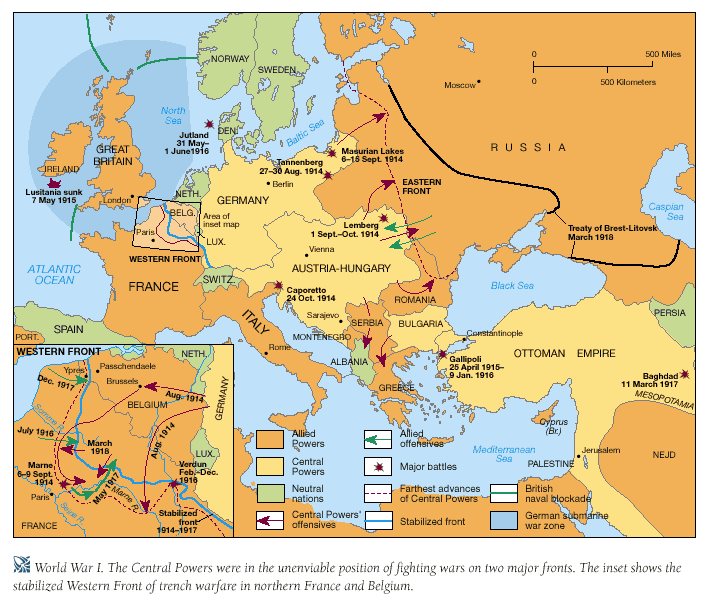
The first trenches were dug on September 15, 1914 to prepare for the Battle of Mame. From that point on, due to the new technologies of machine guns and artillery, the trenches moved only sparsely. In some grand offensives trenches would move farther but for the most part, the western front remained in the same area. By the end of the war trenches stretched across 25,000 miles, from the north in Belgium, and southward down through france. Here's a god map: http://1.bp.blogspot.com/_FPozBZ8eL2o/TORTVKy2ifI/AAAAAAAAAGA/T2uSgtgfKGE/s1600/WWI.gif
Trenches were originally created in prepartaion for combat, as it was easier to defend against attacks from an entrenched position with machine guns. Throughout the war, some new trenches were dug to create a new defensive positions, but sometimes soldiers of one side would simply occupy an enemy's old trench if their offensive was successful.
A standard soldier would carry a bolt action rifle with a bayonet at the end for close quarter combat. They would usually carry a combat/utility knife as well, aside from their bayonet knife. They would not carry a sidearm, which was seen as an officer's weapon. Also, due to the new threat of gas attacks, gas masks became standard issue by 1917 to British troops.
*NOTE: Trench warfare never truly developed on the Eastern front, only on the Western front was trench warfare used primarily.
Here covers trench warfare quite well.
Trenches were a direct result in the improvement and proliferation in artillery. Holding positions in the open or even foxholes was untenable given the sheer weight of fire that could now be brought to bear thanks to steel breechloading guns firing great amounts of high explosive shells. Artillery was far and away the major killer.
A Short Magazine Lee-Enfield rifle (SMLE), sword bayonet, knife, and fragmentation grenades (the Mills bomb). Additional weaponry was also 'acquired' for close-quarters fighting, including clubs, trench knives, knuckledusters, and sharpened entrenching tools.