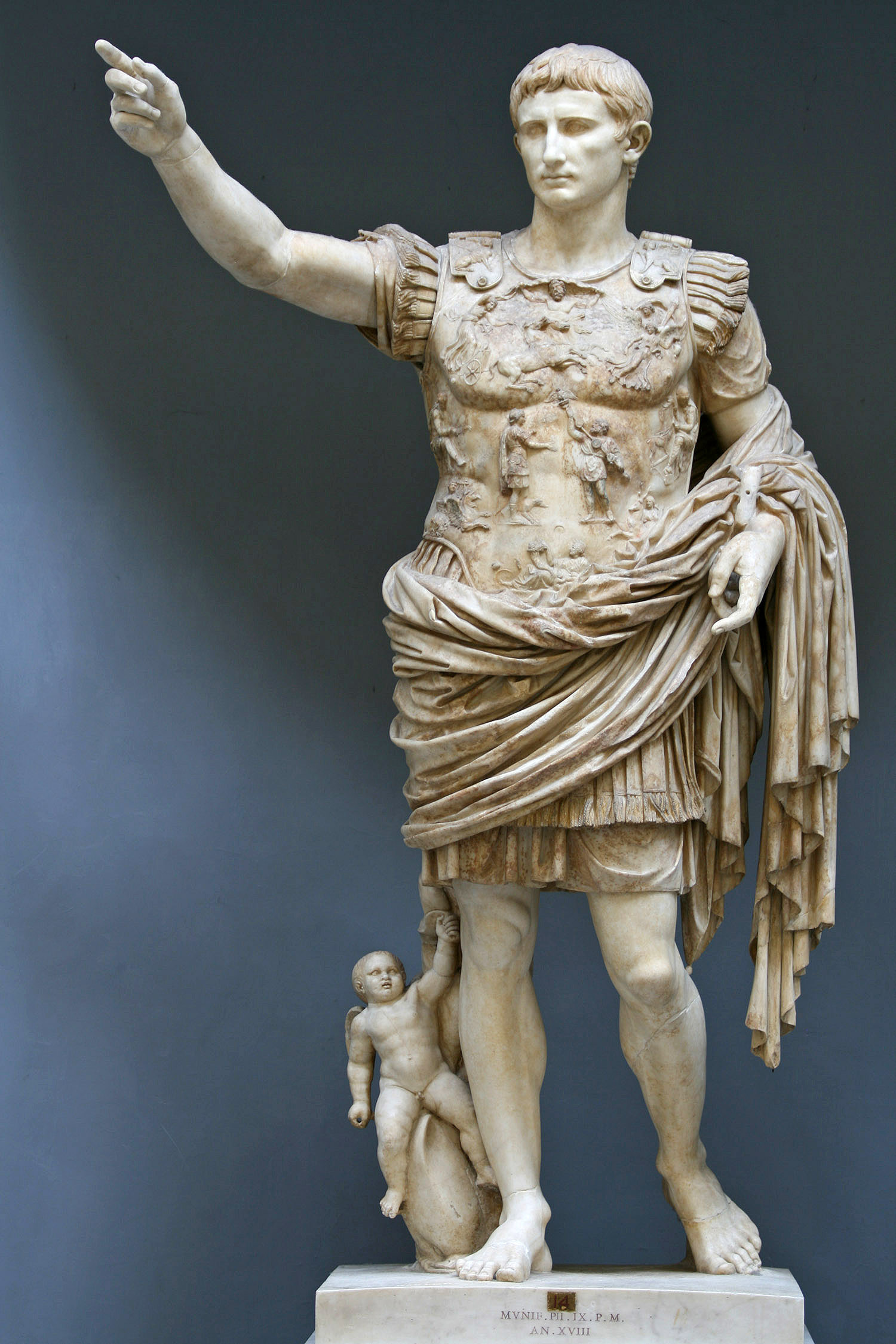
The Romans and their predecessors in Antiquity created amazingly life-like sculptures, like this statue of Augustus, or the Lacoon and Sons. But it seems that toward the end of the Roman Empire, sculpture decreased in "quality" (by which I mean realism), like this head from a statue of Constantine, and this statue of the Madonna and Child.
So what gives? Did the training and art necessary to pull off life-like sculptures simply become "lost" over time as the Empire changed or decayed? Or was it a cultural change in artistic styles, like people preferred less realistic sculptures? Or was it something else entirely?
Equating quality and realism is actually quite problematic. Modern works of art normally don't stand out by how lifelike they are either. But that doesn't mean that there has been a dramatic decline in artstic quality since the 19th century.
In fact I would say roughly the same amount of skill went into producing the portrait of Augustus and of Constantine. Realism on the other hand isn't really the right word to describe any one of those two. The statue of Augustus is highly idealized and more influenced by standards of beauty inherited from classical Greece than by the emperor's actual appearance. Portraits of the man looking like this were still produced when he was more than sixty years old after all. By imitating the style of the Classical period the artist could showcase the emperor's conservative values, his decorum and his auctoritas.^1 Now Constantine is shown to be a larger than life figure with an unblinking gaze fixed on the horizon. The emperors of Late Antiquity were portrayed as charismatic rulers that were totally different from any mortal man.
On the hole it is true that Late Antique art often rejected the aesthetics that had been established in earlier ages and by doing so could get quite abstract or even comical at times. Even so those older aesthetics were not totally forgotten. The same goes for medieval art. Only with the beginning of the Renaissance Classical Greek art was again seen as the single gold standard to imitate.
Why it came to such a dramatic stylistic change is not easy to answer. Late Antiquity was in many ways a time of cultural upheaval. Rome ceased to be the centre of the empire and its old elites had to contend with new men coming from the provinces. Christianity was on the rise. After centuries maybe now Roman artists were ready to try something radically new.
The points here are well made and useful, but I do think there are real economic reasons as well, because quite simply, fewer people were commissioning statues. Certainly, imperial statuary maintains an exceptionally high quality (this is ivory), but the quasi-industrial production of sculpture and public art was not really as present in Late Antiquity as in the early Empire because the elite "abandoned" their formally urban character based on civic engagement in favor of other means of expressing themselves.
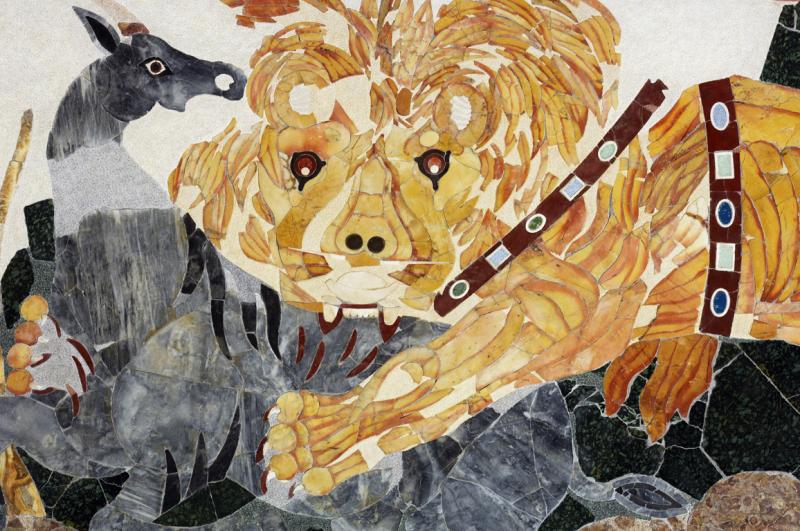
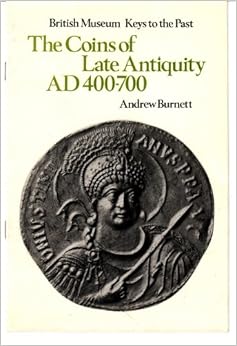
But other forms of art, such as coin portraiture (Late Antique coinage is frequently head on or at three quarter profile, which is more technically difficult than the classical side profile) and glass (particularly the perfection if glass mosaic) reached new heights of technical proficiency.
Re-reading my question I realize it is kind of idiotic, so thanks for the polite and informative responses. I guess ultimately my question was loaded by the assumption that crafting life-like statues requires more skill and training than crafting the less life-like statues found in Late Antiquity and the Middle Ages. But it seems that the bottom line, from these answers, is that artistic tastes just changed during Late Antiquity, and sculptors just weren't into carving life-like statuary anymore.