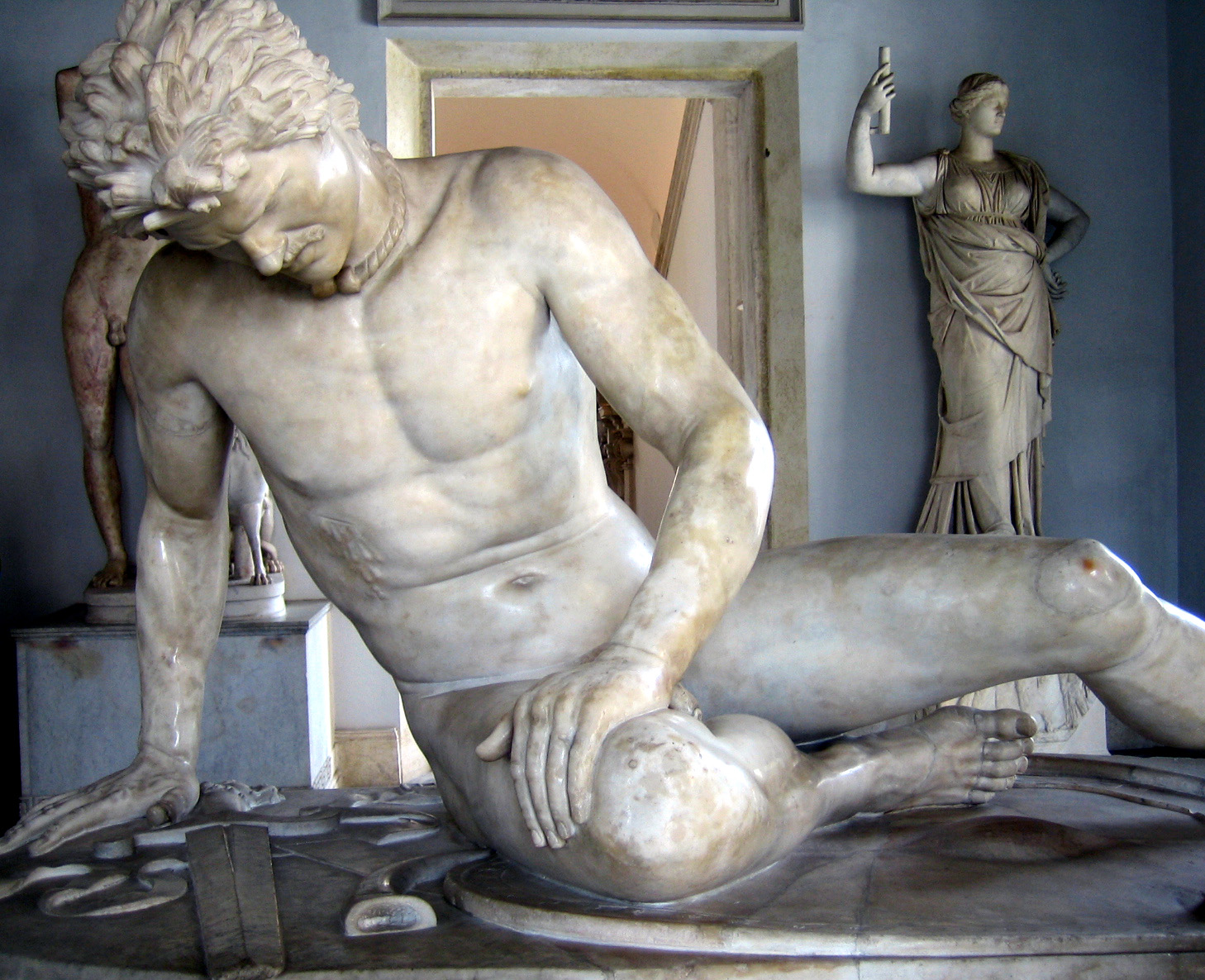
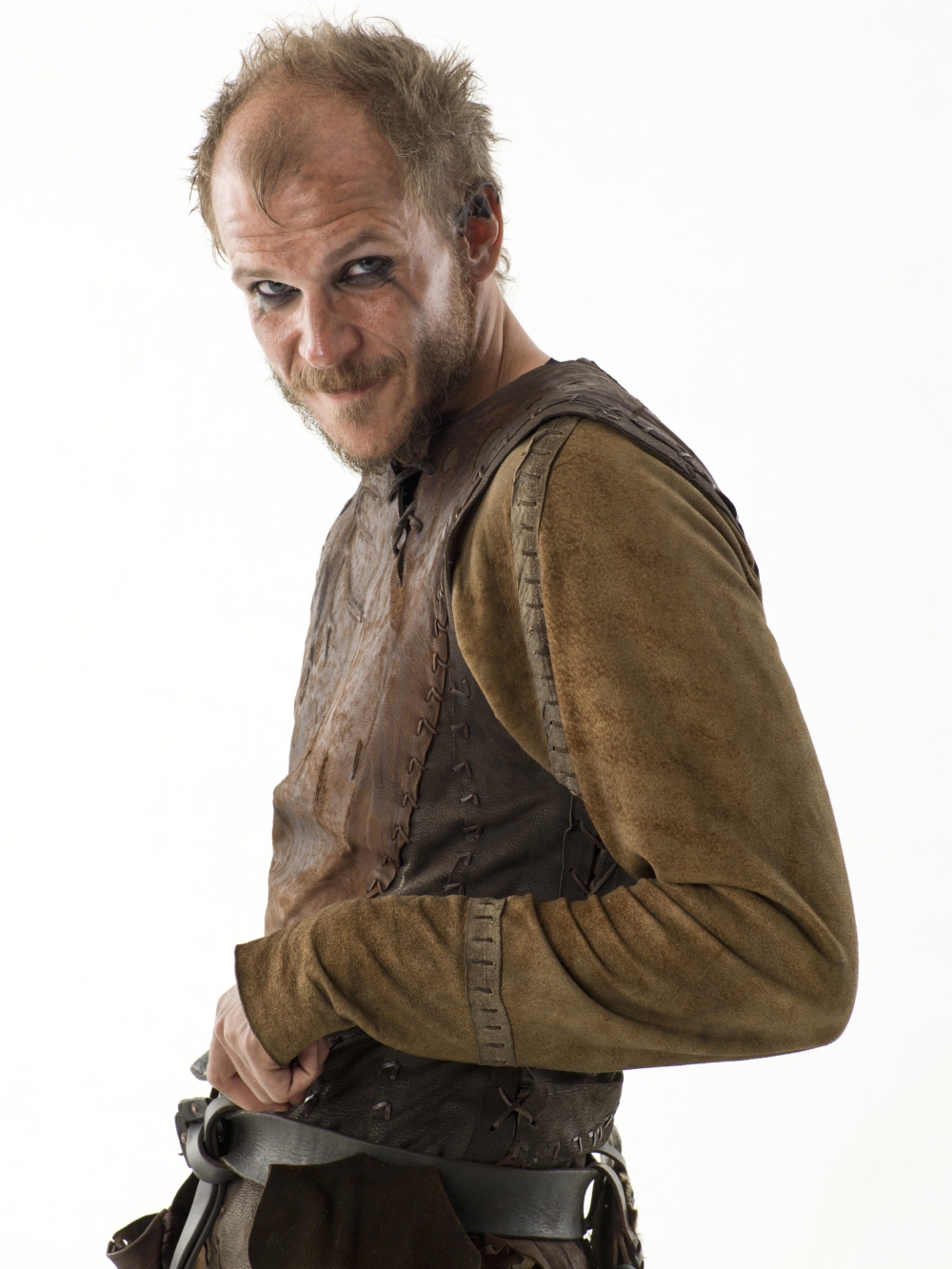
It seems to me that in Classical art or in popular media, such as the show "Vikings", "barbarian" cultures such as Celts, Gaels and Early-Medieval Vikings are always depicted as six and a half foot tall walls of muscle. Given that common people of these cultures lived (I would imagine) on a diet of root vegetables more often than meat, how accurate could this image truly be? Is it likely that Celts and Vikings would be able to sustain muscle in this way, or is this more likely a stereotype perpetuated by Classical histories, Wagner, etc.?
Essentially, would a Viking or Celt warrior resemble this or this, or would they look something more like this?
Apologies for the use of shows like Vikings for reference, but thanks in advance for any help given!
Here's a video dealing with the question from Schola Gladiatoria, a medieval archaeologist, historian, HEMA and fencing teacher (and all-round nice bloke, sub to his channel!)
Several episodes of the British History Podcast deal with the changes of diet and the consequential changes of body type in the British Isles. Particularly it's discussed that the changes of height and size tend to be based on agrarian vs. non-agrarian societies. So much like the Schola Gladitoria video, it's indeed said that your average Roman would have been one or two inches shorter on average than the modern human, but on the other hand it's also said that the average Celt before the days of Romanization would be one or two inches taller than the average Roman, based on available burial sites.
The podcast also details Roman accounts from the invasions of England which give descriptions to the native inhabitants, and in later episodes discusses size change in Post-Roman, Anglo Saxon England, when diet changed once again due to differences in the scale of trade. Apologies for my inability to link you to the exact episodes where all these are said, the discussions are spread out and his style tends to be a little rambling, although you may want to check out his series on Anglo-Saxon food and medicine for starters.
This is a sentiment that dates from antiquity. Diodorus Sicilus described the Gauls in his Bibliotheca Historica as "tall of body, with rippling muscles, and white of skin, and their hair is blond, and not only naturally so, but they also make it their practice by artificial means to increase the distinguishing colour which nature has given it." (5.28.1)
So this is hardly a modern invention. He was writing around the time of Julius Caesar, so his description is contemporary, make if it what you will.
There was an interesting find of a Norse ship off Estonia recently. It was a quite early vessel. This was before the famous Lindisfarne raid for example. What caught my eye was the description of the men that they pieced together:
Allmae’s analysis shows that this would have been an intimidating crew, especially in eighth-century Europe. The average height was 5’10”, and several of the men might have been well over six feet tall. Some of the bones bear signs of old wounds, suggesting these were veterans of more than one scrap. Based on the style of the swords, arrowheads, and other weapons, in addition to the objects found in the graves and especially the boats themselves, Peets and Konsa are already certain that the men were from Scandinavia
This goes against a lot of what I have heard about people in the Medieval Period being so small, at least for warriors. They are about the same size as you would find in a modern military unit. So I found it quite interesting.
The archeological finds from Visby (small town in Gotland) shows that, on average, late Viking/Medieval Scandinavian men were slighlty taller than an average Western European, Meditterean or a Slav. Also, it shows that warriors/mercenaries were on average taller than regular townsfolk (whether this was due to better diet or just recruitment selection is a matter of debate).
Als, in the OP you claim that:
people of these cultures lived (I would imagine) on a diet of root vegetables more often than meat,
this is not true for the vikings, pre-christian pruss, and slavs. THeir diet would overwhelmingly depend on grain in various forms, lentils, fish, and meat (goat, sheep, and pigs, sometimes cows and wild game).
Earlier barbarians from Barbaricum (post-Limes Europe) were very foten cow-herders (like the German tribes and some Gauls) and their diet would be rich in red meat.
Steppe barbarians (Scythians, Sarmatians, the Hun, the Mongols) would have even more meat-oriented diet, due to the fact that their nomad lifestyle prohibited extensive farming and was more suited for herding animals (horses, sheep, goats etc).
Furthermore, archeological and anthropological evidence from Visby, Truso, Jomsborg, Hastings etc shows that at least the vikings often sustained and survived severe injuries to their limbs, heads, ribs etc.
Combining those two factors, we might imagine, that the average "barbarian warrior" would be slightly taller than a "civilised man", and pretty stout with sufficient muscle mass to fight and work/farm, as well as a good layer of fat.
Interestingly, this works well with the knowledge, that Roman gladiators were fed cereal-rich diet to make them not only strong but fat in order to put a protective layer of fatty tissue on their torso and bellies, to better protect internal organs from slashing wounds and bashing damage.