For example, this was posted to /r/MapPorn: http://www.reddit.com/r/MapPorn/comments/25rrvr/the_battle_of_new_orleans_c1815_louisiana_usa/
How do we know in such depth the movements of the troops throughout the battle? It seems odd that there might have been people whose sole duty was to record movements while moving with the troops. At the same time, if these are recorded based on orders, strategies, and other documents before the battle, it seems they might not be a reliable recreation of what actually happened.
So, how do we know how these battles went down?
There are a large variety of ways one can reconstruct a battle from historical documents with a fair amount of accuracy. In fact, the top rated comment in the thread you posted shows shows some of these sources for you to examine yourself: http://www.reddit.com/r/MapPorn/comments/25rrvr/the_battle_of_new_orleans_c1815_louisiana_usa/chk3yh5
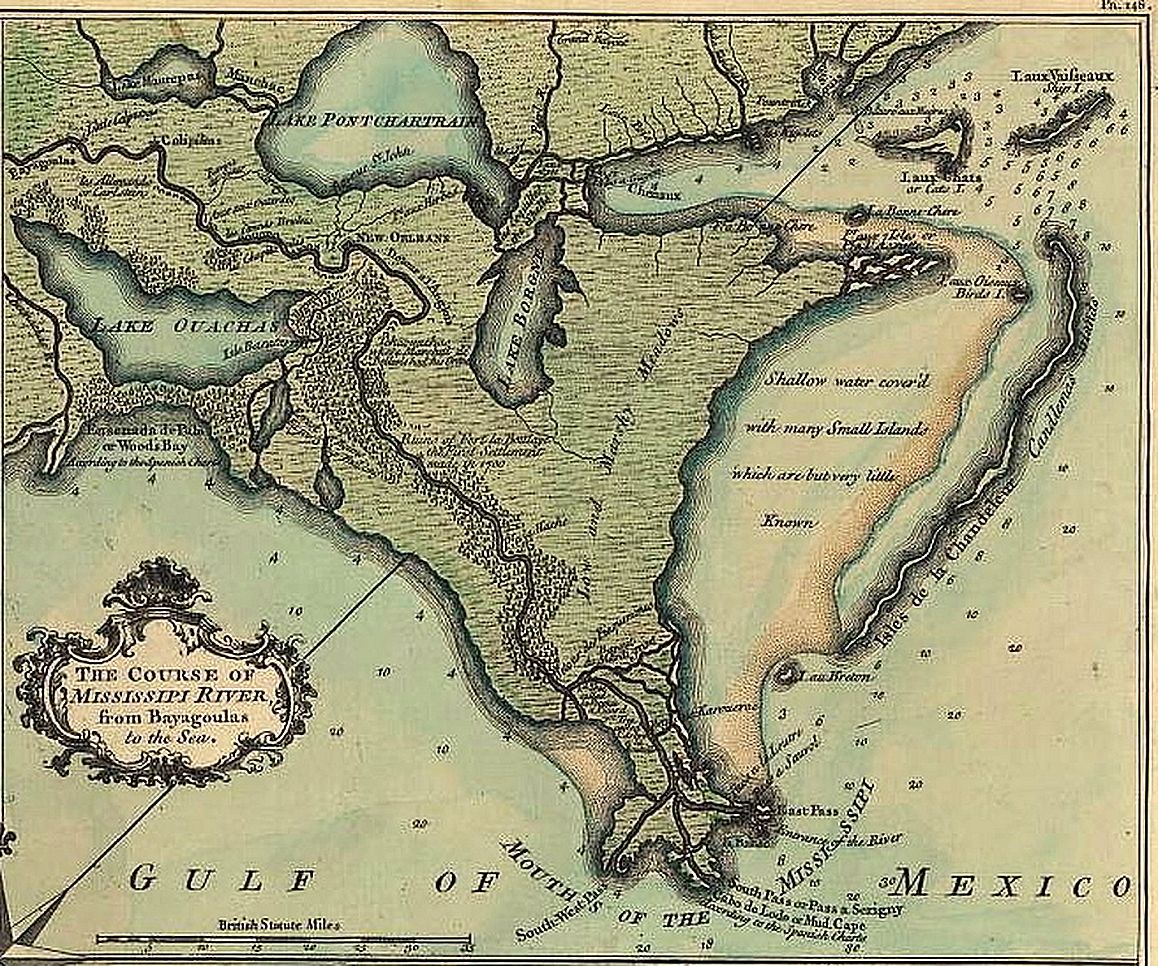
To reconstruct a battle, one generally starts by either looking at a modern topographical map or a period map of the terrain. Period maps are preferred, as terrain features can change considerably over time, but sometimes you have to make do.
Next you read the official report of the battle (today known as After Action Reports). The compilation of these highly detailed accounts are by the commanding officer of the battle has been standard procedure for virtually all armies for centuries. With access to a good map, plotting down the locations of the various armies becomes fairly easy. These need to be tempered with other first hand sources, however, to prevent bias. For example, Jackson's official report of the battle unfairly accused the Kentucky militia of cowardice. Their commander demanded a court of inquiry, which convened in their favor and forced Jackson to admit their actions were "justifiable".
Sometimes though you can just get lucky and find a map a period map of the battle. These are made by simply wandering around with a few people who were there and asking them where certain actions occurred.
Many possible sources. I can speak mostly to 19th century army strategy. Before the battle, commanders would have a battle plan, so that served as a baseline to be revisited later -- what went as expected vs. what didn't. Sometimes these plans would be written down and disseminated to offers. This can go awry, for example when a couple of Union privates found a copy of Lee's Antietam battle plan wrapped around some cigars in a meadow.
During a battle, large-scale troop movements and battle orders were usually communicated in writing. Officers would write down orders, give the message to an (often mounted) staff officer or soldier, who would bring it to the appropriate commanders. For example, during Custer's Last Stand, the cavalry troops communicated via written notes, some which still survive. There were exceptions, especially in the heat of battle, when there wasn't time to write things down, but many such orders are documented. It's been said in some wars like the American Civil War, so many volunteer officers had law backgrounds that they were careful to get as much documented "in writing" as possible to cover their asses.
After the battle, officers were required to write reports describing what happened. Usually this involved a detailed narrative of the battle, along with reporting deaths/casualties. In the Civil War, these reports were required at the regiment (1000 men) and company (100 men) level, so they produced a pretty dense, fine-grained record of combat. Some of the stats are a bit questionable -- e.g. sometimes losses would be intentionally understated at the highest levels of command to save face.
Also after the battle, commanders would study and compile these reports in order to analyze the battle. What went wrong, what went right, etc. to plan the next strategies and battles.
All of these documents -- battle plans, messages passed during battle, and post-combat reports and analyses -- were put down on paper, and much of this documentation survives, either in public or private hands. The US Army as a matter of policy has kept huge troves of documents from all of the country's wars.
Finally there's the written and oral record of the individual soldiers and participants. In the Civil War, most soldiers wrote home regularly, and these letters often included detailed accounts of battles, even if limited to that soldier's experiences. In aggregate, these provide a very rich record for historians. Many Civil War regiments had a member who wrote a regimental history, which was typically a book-length narrative of the regiment's activities during the war. There were hundreds of regiments on both sides, so again a rich source of material.
Soldiers also walked the battlefields after the war to recount what happened, and placed markers and monuments at particular locations of import. Perhaps surprisingly, these can be a primary source of information. Scholars of the Battle of Shiloh actually used battlefield markers and monuments placed by war veterans to challenge and reinterpret the documented history of that battle.