And did any countries/languages continue to call it Constantinople despite the name change?
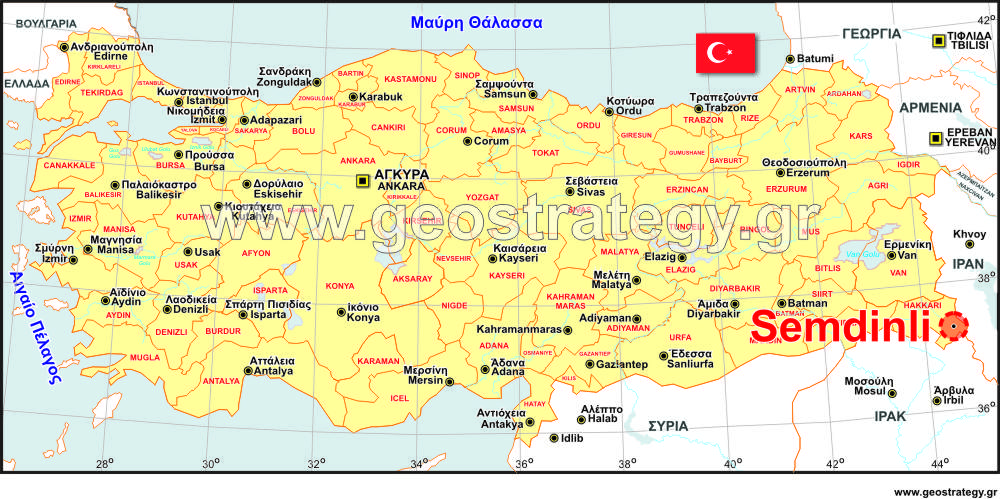
The name 'Istanbul' derives from the medieval Greek for 'To the city' ("εἰς τὴν Πόλιν"), which also was the origin for the description of the walled city predating the Ottoman conquest as well (Stamboul, the origin of the name of the city in many Eastern-Orthodox countries) used during the medieval period and beyond. The city itself was never renamed by the Ottoman Turks, but rather by the Turkish Republic. Greek map makers continue to label it as Constantinople in some spheres (example: http://www.onalert.gr/files/Image/NewOnAlert/XARTES/turkey.jpg) but the rest of the world has had no issue with it. 'Officially' renaming the city was in effect simply applying the coloqiual name that had existed for hundreds of years in a more official way; in a sense, it would be like officially renaming New York City to 'the Big Apple'. The reason the Turkish Republic did so was mostly because they wanted to eliminate Greek cultural elements in names (another example is the renaming of Smyrna to Izmir) which is obviously ironic given the origin of the Istanbul name, but the name itself was not new in any way.
The thing is. There wasn't really an "international forum" through which criticism could be made of the Turks, aside from the Papacy/Church which was appalled at the loss of the city but never succeeded in gaining the political and military support required to retake it. But renaming the city was essentially just a statement of cultural hegemony over a newly conquered area. This was done imposing the conquering people (the Turks) changing the name to a Turkish one.
The reasons for the renaming are explained nicely here.
Within decades Protestants would occasionally even discuss alliances with the Turks against the Catholic powers. So whatever concerns much of Europe had, real politic came first. The conversion of the Hagia Sophia to a Mosque would arguably be a much bigger issue than the city's renaming itself, as it was one of the most significant Christian churches in history up to that point.
Certainly it wouldn't have attracted a fraction as much outcry as the fall of Constantinople in the first place. The original fall and initial reaction in Europe is covered nicely in N. David's Constantinople 1453: The end of Byzantium. (Oxford, 2000)