The Halstatt culture likely collapsed due to a combination of two related factors: a rising population, and the inability of Halstatt chiefdoms to adapt to this increase in population by developing more sophisticated methods of social organization.
Halstatt polities were ruled by a hereditary aristocracy and were organized in a system of chiefdoms; these societies were too complex and large to be considered 'tribal', which implies a lack of 'big men' (chiefs or kings) and sedentary life. Halstatt polities were mostly communities of about 100 people, living in one of three kinds of agrarian settlements (one nucleated around a monument or burial mound, another around a village and yet another around a fortification), all of which probably developed during the Bronze Age due to their strategic positions along trade routes.
These chiefdoms likely functioned through a system of gift-giving based around Mediterranean trade goods; the chief, using his strategic position along the trade routes and the raw resources at his disposal would trade with Mediterranean societies like the Greeks and Etruscans for prestige items like wine, jewelry, pottery etc. They would then distribute these goods as gifts to their followers, both their household warriors and agricultural subjects, likely during feasts. This would enhance the prestige of the chief and make others more willing to follow him. By the 4th century, Temperate and Mediterranean Europe came into even closer contact, as the Greeks established a colony in Southern France called Massilia, and as the Boii and Senones invaded Northern Italy. The establishment of these zones of contact shifted the focus of Hallstatt society westwards towards southern Gaul, as prestige-goods were easier to gain there, meaning that more powerful polities than those existing in Central Europe started growing in that region.
By the 3rd century BC, we can see evidence of growing population and increased political authority. Fortified urban settlements called oppidum started sprouting up during this period, either growing out from pre-existing hillforts or being newly constructed and having the population move into them. These urban settlements appear to have been significantly socially stratified, with distinct social classes beginning to form. While coinage was known to the Gauls before the Romans, it was used more as a prestige item to show off rather than currency before this period. The transformation of money from a prestige good to actual currency implies increasing political authority, as a central governmental authority was required to guarantee it's worth.
Evidently, new and permanent urban settlements imply a growth in the population which was the result of newer agricultural methods which enabled these Temperate societies to create enough food surplus to support individuals involved in state organization and craft production. As you might imagine, it was significantly harder for farmers in Temperate Europe to create a large food surplus in comparison to farmers in the Mediterranean or the Near East, which explains why complex societies took a bit longer to develop there.
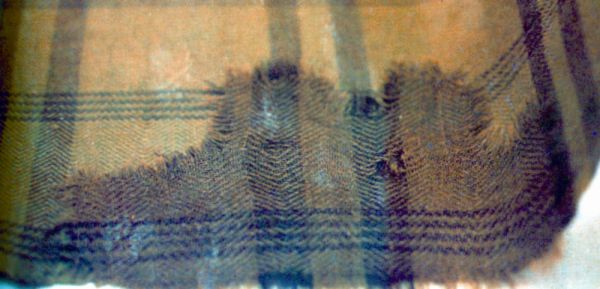
Although political authority started increasing during the late-Hallstatt period, their method of political organization still revolved around gift-giving. As you can imagine, gift-giving might serve as a feasible method of social organization for a small community of maybe 100 people, but as population increases it becomes harder and harder for the chief to maintain his prestige and authority. Increasing population density coupled with stagnant modes of production (gift-giving chiefdoms) led to conflict within the Hallstatt cultural sphere. The disruption of traditional trade routes by direct contact with Greeks and Italians after the establishment of Massillia and the invasion of northern Italy also led to the collapse of chiefdoms in the traditional Hallstatt cultural heartland. This crisis was addressed by the adoption of economic specialization by local communities (raising one particular kind of livestock, salt mining), the more widespread adoption of ironworking (bronze made communities reliant on outside trade for tin and copper) and the production of valuable craft goods, especially textiles – new kinds of looms were developed to create twill fabric. Communities were creating new secondary products which could be made from more widely available materials like iron and wool.
Social tensions were ultimately not solved by the development of more capable political systems, but by mass migration – the internal contradictions of Hallstatt society were ultimately caused by growing population. Increasing demand for raw materials by Greece and Italy drew Hallstatt societies into the Mediterranean world economy. Well positioned chiefs acted as intermediaries and supplied raw goods in demand in the south in exchange for Mediterranean products sought as prestige items in temperate Europe. These particular polities became more powerful and influential than their neighbors because of their favourable position. One probable motivation of Celtic expansion was to encircle the powers of the Mediterranean economy in order to profit more directly from the system; their society was ultimately based on gift-giving by aristocrats who obtained valuable Mediterranean commodities and then redistributed them to their followers which failed to adapt due to increasing population and social pressure.