A couple days ago, I did a tour of Turku Castle, where the guide showed off a very short bed (it looked to be less than 1.2m long) in one of the the medieval bedrooms of the castle. She said the bed was so short because they used to sleep in a half-sitting position. I can't recall precisely what time the room was supposed to be showing off, but based on the rest of the tour, I'd guess roughly early 15th century.
I tried to Google around to research more about it, but I can't find much concrete information about it, just speculation and naysaying ("people weren't much shorter then: it's a myth!", "people didn't sleep half-sitting then: it's a myth!", "the beds weren't actually shorter: it's an illusion!")
First of all: is this true? Would a nobleman in a castle in that area have slept half-sitting? How widespread was this practice of having short beds so that you would sleep half-sitting?
If it is true, do we know any rationale for why people slept half-sitting? The guide said they believed their soul could escape through their mouths if they slept flat on their backs, but I'm sceptical.
Finally, why and when did the practice of sleeping half-sitting end?
I have toured many medieval and renaissance castles, palaces, and homes. It seems every tour guide has a different answer to this question when a very short bed is on display. Belief in Galenic medicine based on the humors, superstitions that lying prone was reserved for the dead, short statures of the time (though the average height when these beds were in use cannot account for the length, people weren't that short), etc.
I honestly cannot recall any reading from my studies that gives a good sourced answer to your question, but oddly remember a fellow student asking it in a class. The professor shrugged it off with a "some people just did at the time" sort of vague non-answer.
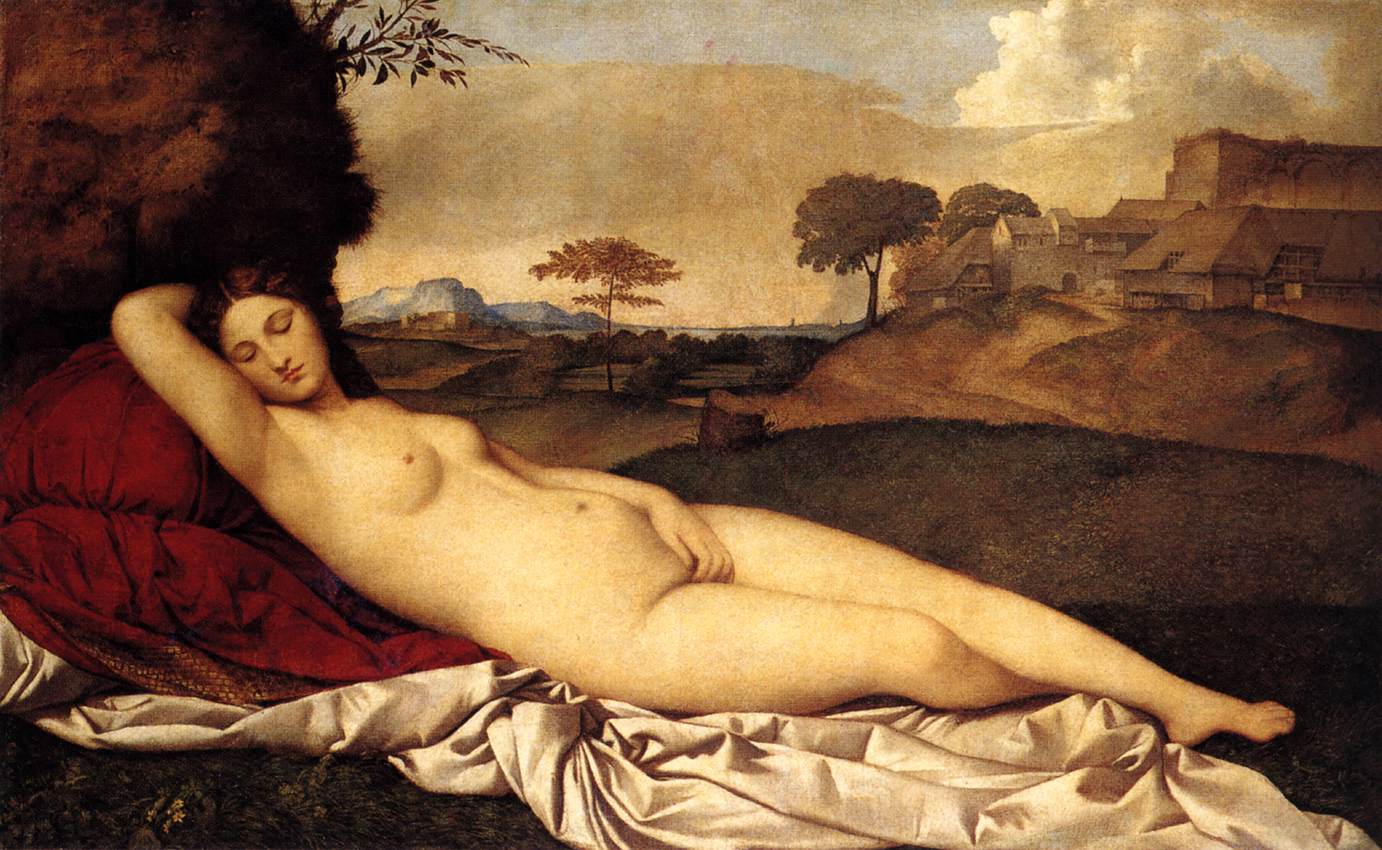
Renaissance art depictions don't seem to be of much help either. People in repose on beds are often portrayed with an inclined bed where the head is higher than the feet, (renaissance nude portrait) but they aren't significantly shorter beds and the individual is not "half-sitting."
I know we're not really supposed to speculate here, but I have to wonder if it may simply have been a matter of economics in terms of resource and space. I say that because based on what I've observed in my travels and the lack of mass production at the time, bed size was highly variable leading me to conclude not everyone slept in the same manner. I don't think we can assume one way or the other that half-sitting was necessarily the norm.
Fascinating questions. I wonder if there is a contemporary text that provides a reasonable explanation. I'll be checking back to see more answers to this!
In this work from 1642 the Swedish royal physician Andreas Sparman (later ennobled under the name of Palmcron) recommends that people should sleep in a sitting position because otherwise fluids from the stomach could somehow leak out and lead to a scenario where "hufvudet fyls medh Öfverflöd" ("the head is filled with overflow").
So it's definitely an opinion that did exist, though how widespread the practice would have been is a different question.
I don't know the answer to your question, but could you clarify if all beds you saw there were so short? Or was it just the one bed? If it's only one bed, there are other explanations (perhaps it was a child's bed).
Could you clarify what you mean by half-sitting? Do you mean sitting up with ones back against the headboard or wall, or with their feet dangling off the end?