I would point to four five major events:
The Trent Affair (Nov. 1861-Jan. 1862) - in which a Union captain exceeded orders and stopped and boarded a British ship as it carried Confederate diplomats across the Atlantic. Lincoln held the diplomats in captivity for several weeks of saber-rattling from both sides before setting them free.
The Bahia Incident (Oct. 1864) - While the Confederate cruiser CSS Florida was in the port of Bahia, Brazil, she was rammed, bombarded, and captured by a Union warship. Brazil was upset that such violence had occurred in her neutral waters. Brazilian diplomats demanded the return of the Florida, but she sank under questionable circumstances before the demand could be met.
French Mexico (1861-1867) - France invaded and conquered Mexico during the Civil War. Lincoln was concerned that they might intervene across the Rio Grande. As soon as the Union armies had opened the Mississippi River, Lincoln funneled large quantities of men into operations in Texas and Louisiana, ultimately deterring any French plans which may have existed.
The CSS Alabama, The Laird Rams, and Foreign Agents (1862-1872) - For the first half of the war, it was remarkably easy for Confederate agents to buy warships from foreign governments, especially England, under the auspices of making purchases for other nations, like Egypt. A concerted diplomatic effort finally slowed this operation, culminating in the climactic Laird Rams crisis of 1863, when US Ambassador Charles F. Adams convinced the British government to halt the sale of two high-tech warships to the Confederacy. After the war, this diplomatic push continued, and in the "Alabama Claims" case, the first formal international arbitration, the British eventually paid $15,500,000 for the damages inflicted by the British-built CSS Alabama and others.
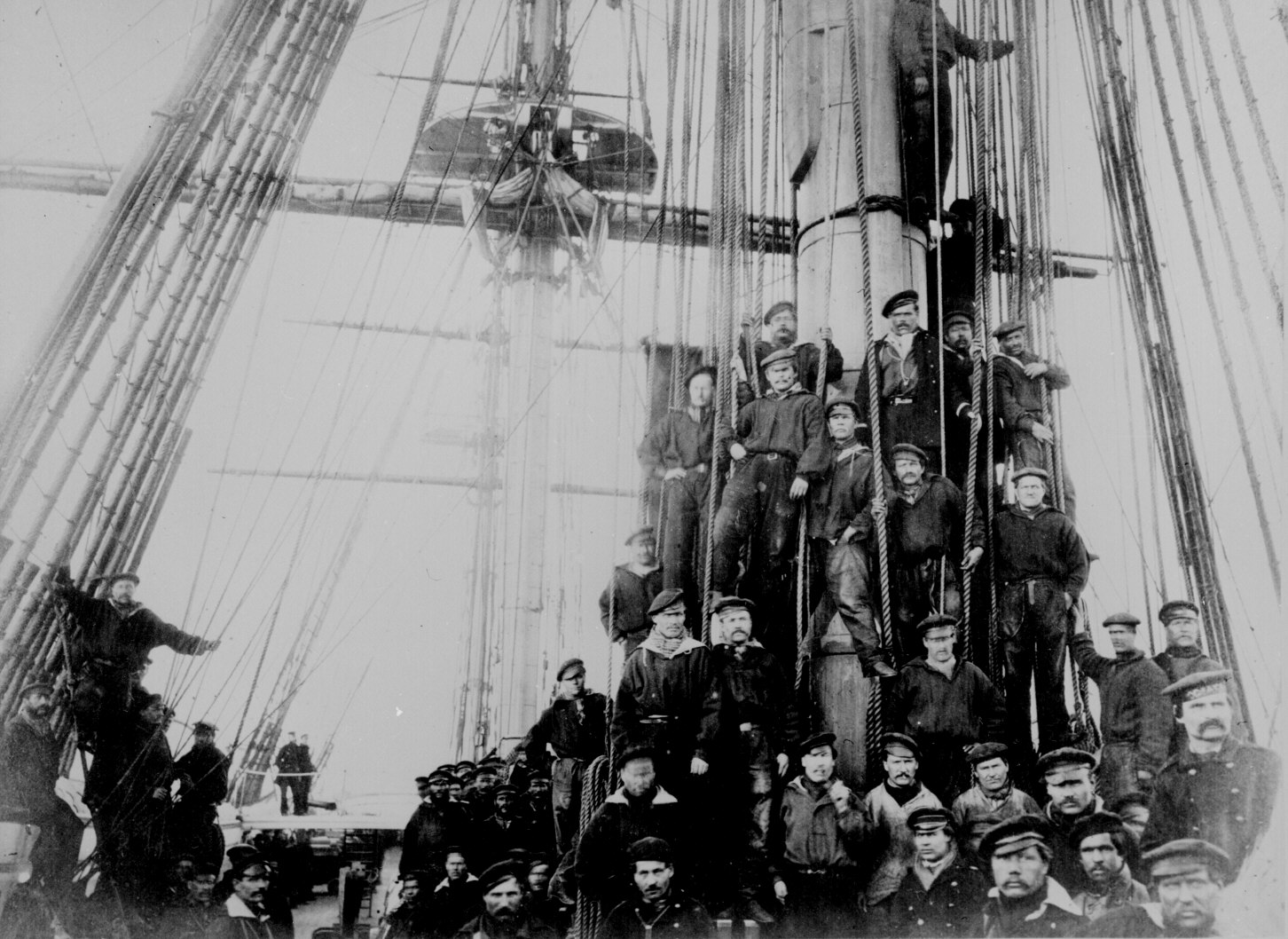
EDIT - u/claird pointed out the Russian Visit of 1863 - These visits were largely motivated by Russia's desire to deter England and France in their diplomatic efforts to recognize the rebellious nation of Poland. Russian ships in American harbors were meant to make England and France re-evaluate the cost/benefit of making a power play through the Confederacy. Here are a couple of images from that visit: 1 2
The Trent Affair (1861) was a huge foreign affairs crisis for Abraham Lincoln early in his administration. A gung-ho US naval officer Charles Wilkes captured the British mail streamer Trent, sailing out of Cuba, and removed two Confederate diplomats, Mason and Slidell, a clear violation of international law. This nearly led to war with Great Britain. Lincoln had zero foreign affairs experience. Probably acting on the advice of Massachusetts Senator Charles Sumner, Lincoln released the two men. War with Great Britain was averted.
Lincoln did have to constantly negotiate with the British Empire over whether to recognize the Confederacy and whether or not to do business with them. In the early days of the Civil War, the Union wasn't doing well against the Confederacy, but there was a blockade in place which the Union did enforce pretty well. Information came to light that a Confederate spy was aboard a British ship, so the Union stopped it causing a major uproar with Queen Victoria's government, forcing Lincoln to apologize and promise to leave British ships alone. Pressure mounted in Her Majesty's government, in Parliament, and amongst the emerging textiles millionaires for Britain to weigh in on the side of the Confederacy largely because of the cheap price of cotton coming from the US. Though Union representatives and diplomats did prevent Britain from openly supporting the Confederacy, the British were the primary suppliers of ships (especially steam-powered blockade runners). Though the textile industrialists DID continue to purchase cheap cotton as the Civil War raged on, it was from Egypt and India rather than from the Confederacy. This helped undermine the cries of the merchant class int he 19th century and gave more weight to the Union diplomats' claims of being the rightful government; after all, what could the Confederacy offer Britain if not cheap cotton?
Fast forward to the last year of the war (1864) and a Confederate envoy was returning from Europe having failed to secure assistance against the Union and the same scenario happened, only this time the British apologized to the United States. Rose O'Neal Greenhow was aboard the MSS Condor - a British blockade runner - after having been on a diplomatic mission to France and Britain when the Condor was intercepted by a Union gunboat. Rather than risk being imprisoned again, Greenhow trie to escape in a rowboat, but was thrown into the sea by the waves and drowned. The Union confiscated the Condor and the British envoy to Washington DC was forced to apologize.
Sources:
British Ships in the Confederate Navy by Joseph McKenna
Civil War Spies by Camilla Wilson
Follow up question: Didn't the Confederacy try to get France to fight with them? Were any other nations contacted by either side for aid?
rsufyubedgbcdegdjdjjfjwc