What's the history of the lawn and mowing the damn thing?
The Grass is Greener by Tom Fort goes into some detail on this (though it's not perhaps the most serious work and he does spend a lot of time writing personal anecdotes and attempted humour into his book).
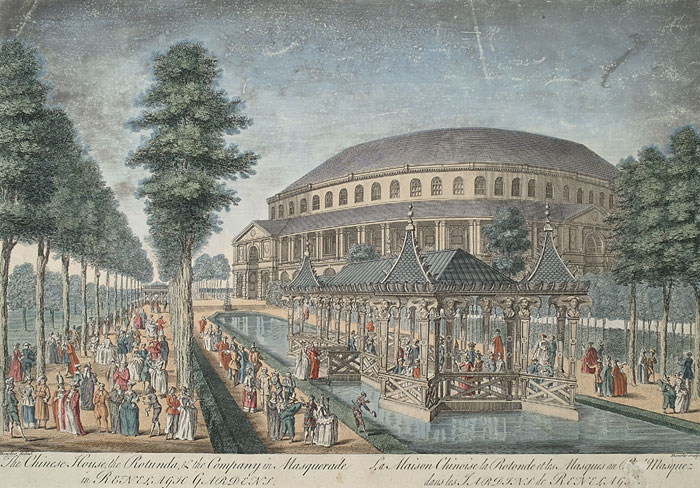
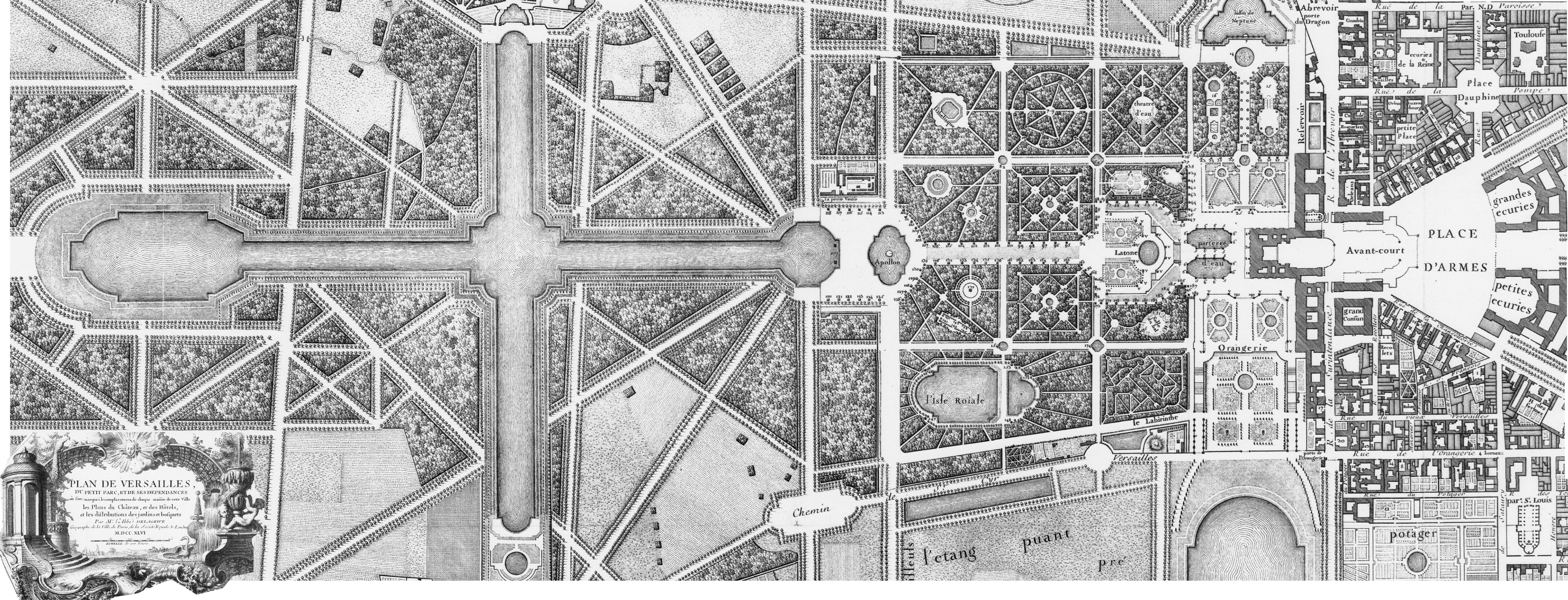
Essentially, he reckons that a thorough lawn and the lawnmower go hand in hand: although grass is appreciated in the medieval period, particularly in monasteries and so on, for its aesthetic as well as its practical grazing value, actual gardens developed differently. They initially tended to focus on carefully made set pieces, like fountains, mazes, menageries, and so on. For wealthier people, garden design gradually grew into a carefully conscripted art form with different elements being shown to the viewer, but with no real lawns to walk on: instead, you travel on gravel paths, like at Ranelagh or Versailles, and things like hedges are really important.
When the lawn mower gets invented over the course of the 19th century, with the design being incrementally improved by successive inventors, owning a lawn becomes first novel, then desirable, then affordable.
Garden architects such as Capability Brown had in the 18th century started saying that a good garden was not so thoroughly precise. Gardens could suddenly be long landscapes with grazing deer, a few lakes and buildings, and lots of grass, but it took the lawnmower to make this practically smooth and effective as more than a backdrop.
Eventually, the lawnmower gradually become affordable enough for anyone to have one. Tom Ford's argument is that it's an american ideal of 'suburban bliss' that causes the lawn to become desirable for the common man. Make of that what you will: I can't remember that half of the book as well.
you may be interested in this section of the FAQ (link on sidebar)