What are the origins of specific country's "national colours?"

by Theodore-Hunter

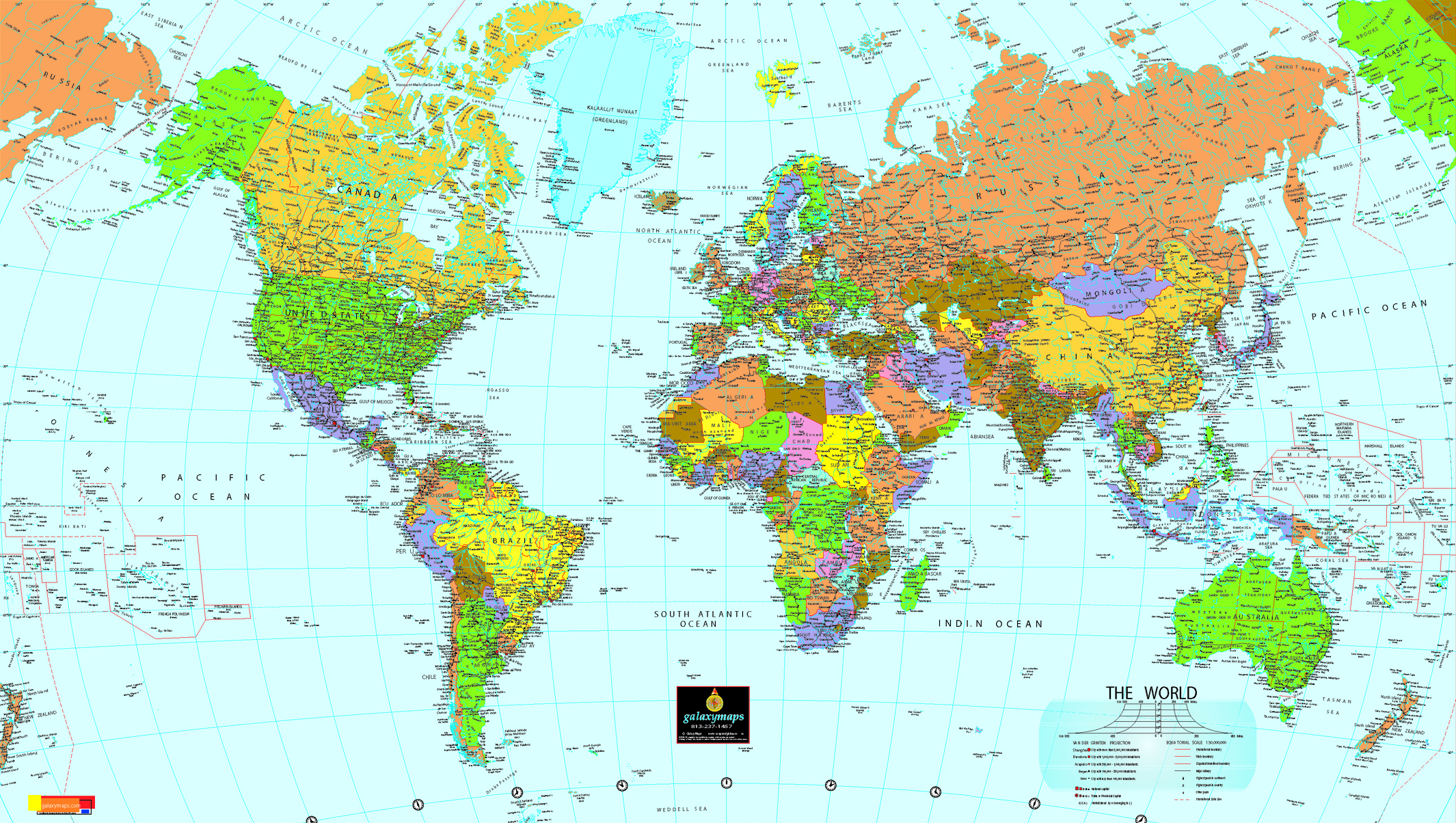
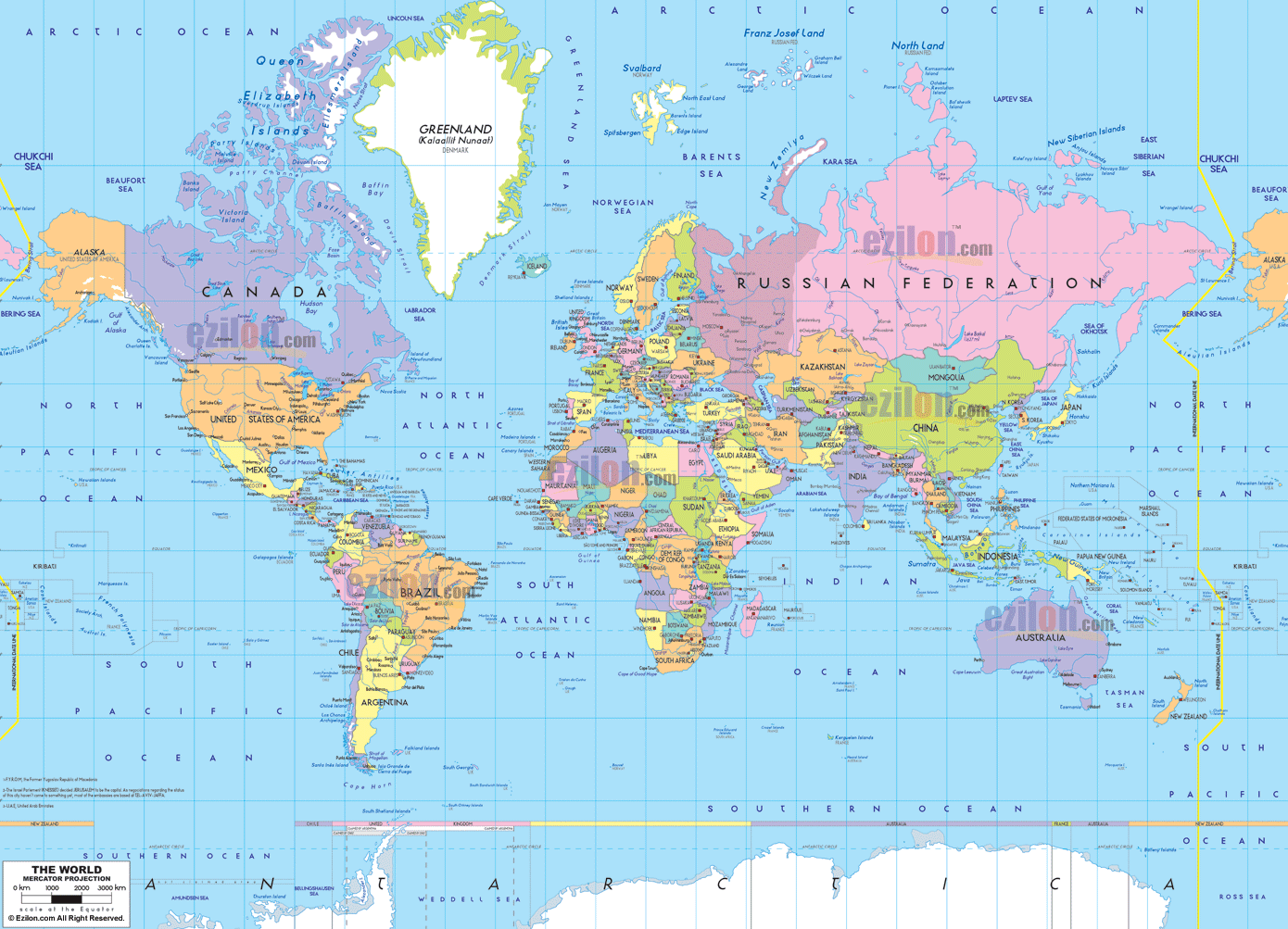
You look at a map of the world in 1900, and the British Empire will usually be in a light red or pink, France will be a strong blue, Germany will be one form of grey or another, Russia will tend to be green, etc. I know these are only a few examples from one context and not absolute, but there does seem to be trends for a country to identify themselves with a certain colour or two over all others.

So I'm asking, what are the reasons why some of these countries came to identify with these colours specifically? Why did the Netherlands end up orange? Why is China red? Ireland emerald?

Thanks for any responses

Searocksandtrees

hi! this won't answer all of your examples, but FYI, you can get started on this section of the FAQ (link on sidebar):

LBo87

While I definitely support Searocksandtrees' link to our FAQ section on flags, colours & symbols, I fear you will not be entirely satisfied as your question (if I understand you correctly) goes more into the direction of "Why does political geography consistently paints country x in colour y?" -- And it is an interesting question!

First off, political geography often simply makes use of contrasting colours for obvious reasons and countries are not necessarily painted in the same colours all the time. For example the world map in my own room uses a totally different set of colours. On this one Russia is orange, Germany is light blue, and the United States is green. It just follows a pattern that ensures that neighbouring countries have constrasting colours to better distinguish them and you will find this pattern in many political maps (examples: 1, 2, 3).

However, I do see your point. Oftentimes we do associate certain colours with certain nations especially on maps and they do not necessarily overlap with their flag colours. We can see this not only on political-historical maps of colonial empires, but also in various modern "historical" strategy games with which I have plenty of experience. France tends to be coloured blue, Germany grey or white, Imperial Russia green or golden, Soviet Russia red, Britain red or pink, Spain yellow, the US blue as well etc. And if you look at national sports teams you can often see the same tendency in their clothing.

I don't know the answer for every single one, but perhaps I can shed some light on some of those you mentioned:

  • It's only the modern People's Republic of China which I have seen coloured red and I will just go out on a limb and say that this is because of communism which is associated with red. Already during the Chinese Civil War, the regions hold by Mao's communists were termed Red China. Same goes for the USSR, where the Bolshevist faction was called the "Reds" already during the civil war which they won against the "Whites", the Royalists. Before Mao's ascension to power, the Chinese republic used among others the five-coloured flag which was claimed to represent the different ethnicities of China.
  • The green colour of Russia might go back to the Napoleonic Wars where at least most depictions show Russian line infantry clad in dark green with red and white for collars and cuffs. This would fit very nicely with the impression that it were the colourful uniforms of that era that also established other common national colour associations. (E.g. British redcoats, post-Revolution French bluecoats, Austrian whitecoats.) However we need to keep in mind that these are only common depictions, oftentimes manifactured considerably later! 18th/19th century uniforms were quite lavish and famous units often had own colour schemes that differed a lot from your common man of the line.
  • In the case of the Netherlands orange is really the national colour because of the Dutch royal dynasty, the House of Orange-Nassau. The name goes back to the French Principality of Orange which was part of the possessions of the dynasty. Although their heraldry does not feature the colour explicitly, the old Dutch flag did. Oranje became a part of Dutch national identity and their national football team is famously clad from head to toe in this bright colour and referred to as the Oranjes.
  • I am very curious about Germany too as I have never read a definitive answer to this. I do know that the white skirt/black shorts pattern worn by German national football teams since the early 20th century goes back to the flag of Prussia, the largest German state at the time which also unified the other states into the German Empire in 1871. On the question why Germany (especially Germany pre-1945) tends to be coloured grey, I can only speculate. It might have something to do with the fact that grey is featured quite prominently on almost all German army uniforms since 1915 and that German military made quite an impression on the world to say the least. (The famous German military grey is called Feldgrau and the Feldgrauen was a nickname for German soldiers.) Even today, the Heer has grey dress uniforms, although it is a different shade of grey than the famous Feldgrau.

I will not comment on the red Britain, blue France, and green Ireland cases as I can't answer them confidently enough and this post is already more speculative than what I would normally consider appropriate for our subreddit.

/edit: Added some stuff.