Imagine being in the middle of a tight phalanx on a humid day. All you would have smelled is sweaty cock and balls. No one even wore underwear.
No one even wore underwear.
The Romans did - we even have soldier's notes requesting them, from Vindolanda - and there's some possibility the Greeks wore loincloths, although that might have been slaves only. Permanent Roman camps and forts had their own bath-houses, too.
However, do you think modern soldiers smell any better? Wearing the same gear for days and weeks; sweating in it, pissing in it, even defecating in it if they're under heavy fire - war never changes.
I'm not aware of an ancient author commenting directly on the smell of an army, but a few come to mind for discussing the gritty side of war. Tyrtaeus, an Archaic Spartan poet talks about fear and death in his poems. Tacitus talks about how grueling camp life was in Germany and Pannonia.
As to odor, there are a few reasons it might have gone unmentioned. First, it might never have occurred to ancient historians that odor was appropriate to the narrative. They tend more toward visual description than anything. Take the fragment of Pricus where he talks about the feast of Atilla. Surely here is a good opportunity to describe the smell of the food, but it goes unmentioned.
Second, I suspect it may not have been remarkable. Based on other pre-industrial societies, odds are that the typical ancient person would not have extra clothes. Maybe two changes. Most ancient people were engaged in agriculture, meaning that they spent their days doing sweaty labor. Would a soldier smell any worse?
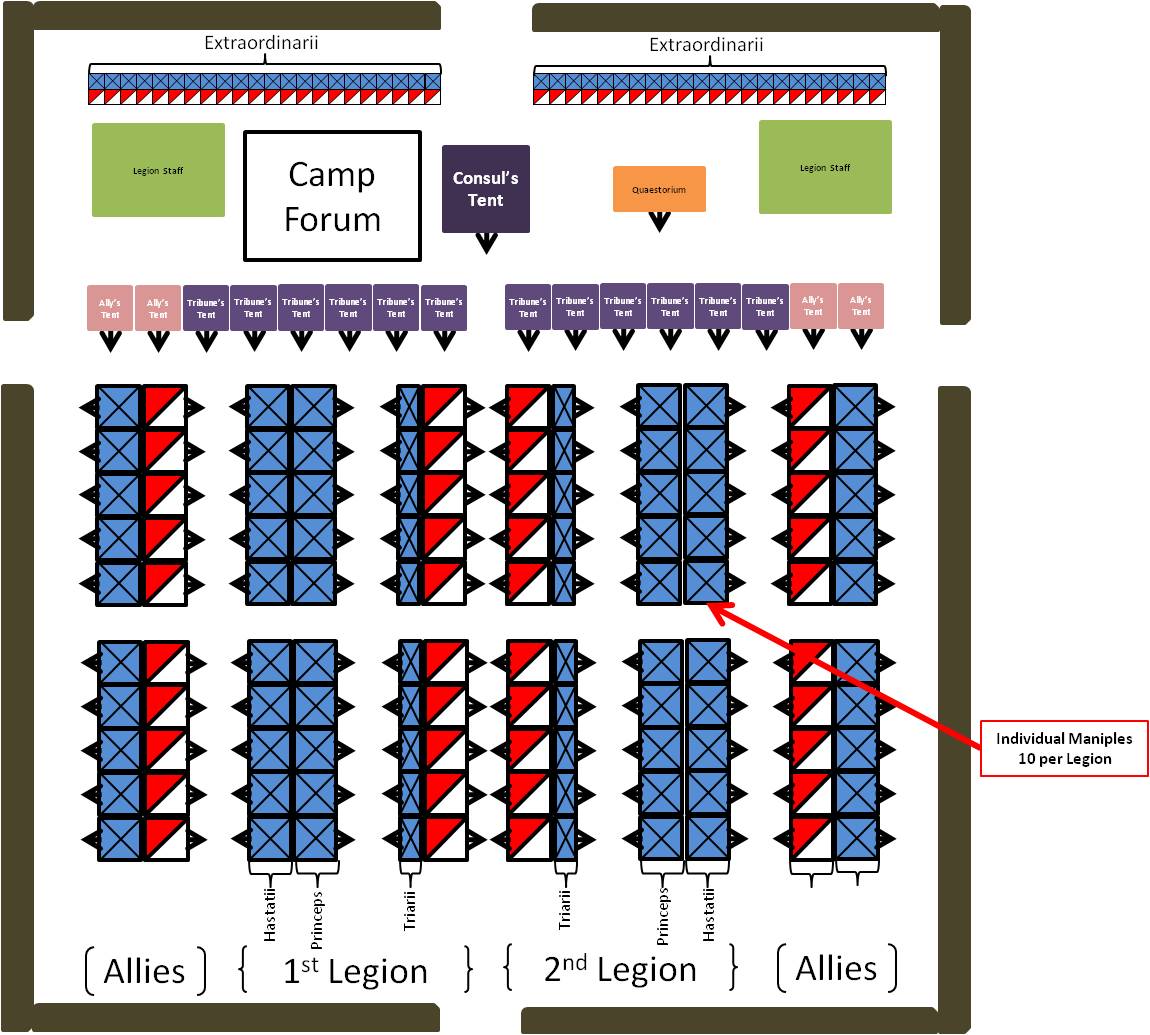
Finally, the people who wrote the histories were the upper-class. While many of them were in the army, they were officers and would have a very different experience from the enlisted men. If you take the Roman camp for example, the officers (tribunes) have their own tents while the enlisted men share them (if memory serves it was eight men to a tent). This all adds to a totally different camp and combat experience that might have totally skewed their experience of the odor of war.
Here's an account from a late Roman aristocrat living with some Germanic warriors in his villa:
Praising often with a wry face the song of the gluttonous Burgundian who smears rancid butter in his hair...a reek of garlic and foul onions discharged upon you.
The Fall of the Roman Empire: A New History of Rome and the Barbarians
I suspect that "their armies smell" is a vastly more common sentiment than "our armies smell."