Hello!
After the massive leak of celebrity photos yesterday and its simultaneity with the crises in Ukraine and the Middle East, I got thinking about how ordinary civilian life progressed in the weeks leading up to the outbreak of the First World War. What were the big-breaking news stories in the civilian world and was much attention being paid to the normal course of events in the run up to the outbreak of hostilities in August 1914?
I might turn some of this material into a comment article for my university newspaper so I will be very grateful for links or sources you have to hand!
Thanks!
In France, the big story was the Caillaux Affair and subsequent trial. Joseph Calliaux was the Minister of Finance in 1914 and a former Prime Minister. The newspaper Le Figaro obtained a private letter that showed that Caillaux had lied to the people--pretending to support a proposed tax bill while he worked behind the scenes to ensure its defeat. His wife Henriette was alarmed, and fearful that Le Figaro would also publish letters proving that she and her husband had begun an affair before he was divorced from his first wife and before she was divorced from her first husband (which was true). So on March 16, 1914 she went to the offices of Le Figaro and shot the editor, Gaston Calmette, to death.
The trial was a sensation, since many of the witnesses were from the upper echelons of French society and government. In fact, the assassination of Franz Ferdinand on June 28 barely registered in the French news because the trial was under way (though this was not uncommon--the assassination didn't get very many headlines). Madame Caillaux was acquitted on July 28, 1914 on the justification that her uncontrollable female passion drove her to commit the crime.
Two days later, the French Army mobilized, and six days later, Germany declared war on France.
Further reading: Edward Berenson, The Trial of Madame Caillaux
Also some coverage in Max Hastings, Catastrophe 1914: Europe Goes to War
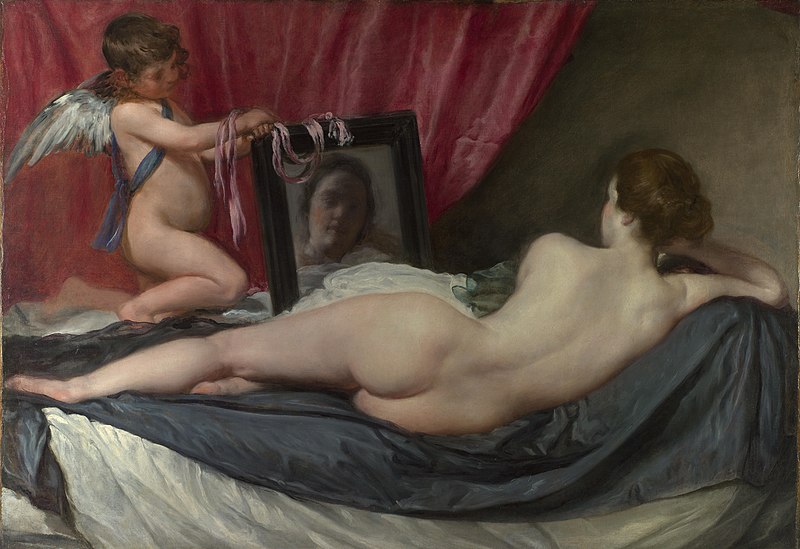
One interesting event of early 1914 was the the slashing of the Rokeby Venus. Mary Richardson, a suffragette, hacked at The Rokeby Venus by Diego Velázquez with a meat cleaver while visiting the Royal Gallery in London. The painting was very famous and King Edward VII had provided £8,000 towards its purchase.
Richardson claims she was inspired to vandalize the painting by the arrest of fellow suffragette Emmeline Pankhurst the previous day. The attack was reported on both sides of the Atlantic as it also hit a nerve concerning the militant feminist movement which was active at the time. A lot of the drama of the militant feminist movement in Great Britain died down later that year when Emmeline Pankhurst asked for her followers to support the government in the war effort. The painting was restored and because of a hunger strike, she only served a few weeks of her six month sentence.