Good evening everybody, from what I understand sailships like clippers can not effectively manouver against the wind unlike smaller sailing boats. So how could the tea Clippers of the East India Company quickly and efficiently move between China and Great Britain?
Square rigged sailing ships such as Clippers could (and did) tack against the wind.
If they were not able to, American clippers could not have sailed the famous route from the East Coast to California around Cape Horn, as the prevailing winds around Cape Horn are almost always strong from the West.
It was much slower, however to tack against the wind, so, wherever possible, Clippers tried to choose sailing routes where the prevailing winds were more favorable.
The sailing route for Clippers (few of which were owned by the East India Company in this period) from China to Britain varied somewhat depending on the winds the skippers encountered or anticipated.
The route went south across the China sea, then west across the Indian Ocean, passing south of Mauritius and Madagascar, round the Cape of Good Hope (a stretch where the prevailing winds from the west might force a few tacks into the wind), finally north up the Atlantic, staying fairly close to the middle of the ocean and west of the Azores, until quite far north before swinging back east towards the English Channel.
The major variations of route were in the China Sea. The shortest route was to the Sunda Strait, but if winds were strong from the South West, skippers might choose the “Eastern Passage”. This route headed into the Pacific, north of Formosa, and then down the East side of Formosa and the East side of the Philippines, through the Gilliolo Strait, Pitt Passage and the Ombai Strait, into the Indian Ocean. This was a longer route, but in certain wind conditions, it was faster.
The start of the tea season, when ships were trying to get underway from China to Europe, was May. This was also typically the early stages of the Southwest Monsoon in the China Sea, so light winds and head winds were often encountered in the China Sea by Tea Clippers. Canny and experienced captains, trying to make good time south towards the Sunda Strait would often closely hug the coast of “Annan” (modern Vietnam), to try to pick up land and sea breezes which would not be dead on the nose. Further south, they would then try to hug the coast of Borneo to pick up the land and sea breezes there.
In the Great Tea Race of 1866, three clippers left Foochow China on the same tide, and all three arrived in London on the same tide 99 days and 16,000 miles later. All three had used the Sunda Strait route.
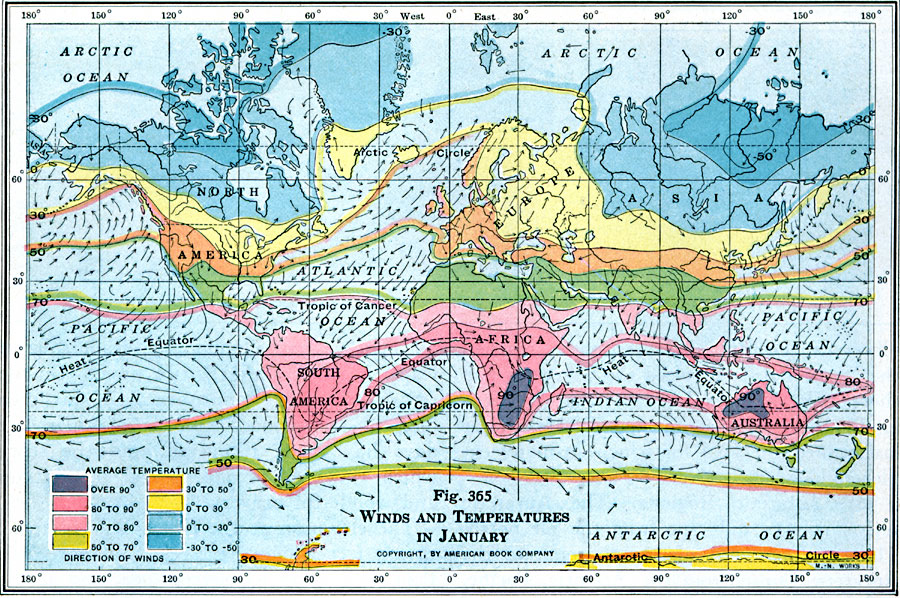
Here is a map of the prevailing winds across the world’s oceans: http://etc.usf.edu/maps/pages/4600/4634/4634.jpg
Here is a map of the Clipper sailing routes from China to Britain: http://www.marinearchaeology.org/Shipwreck-images/img32.gif