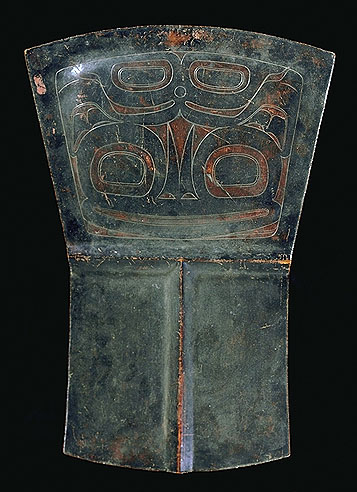
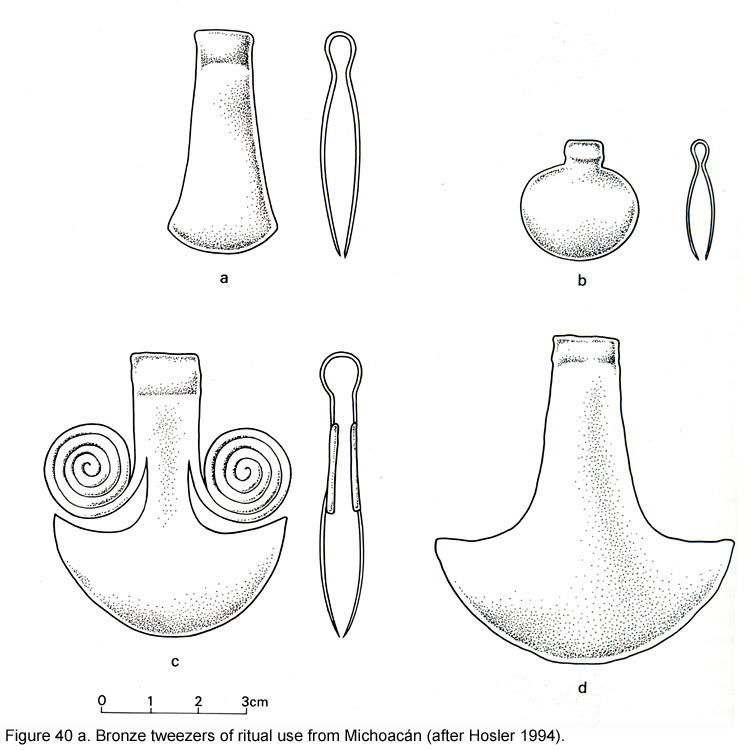
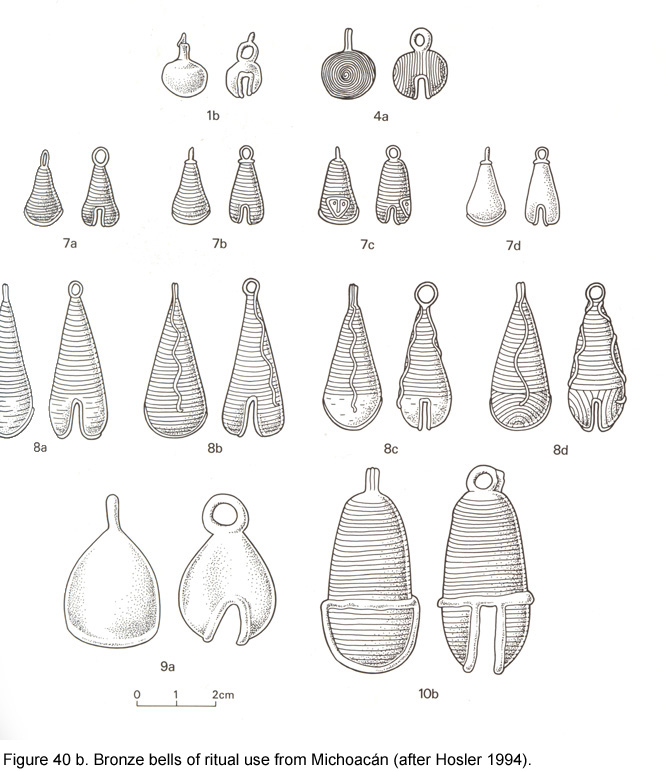
"Stone Age" isn't really a useful concept for discussing pre-Columbian civilizations. There's a long history of metal-working in the Americas, that produced items like these (in no particular order): Old Copper Complex weapons and tools from 6000-3000 years ago, Inuit ulus made from copper and iron, Haida shields, Bronze tweezers and bells made by the Tarascan empire, Mississippian repousséd plaques. Historically, we have extensive accounts of copper ornaments used up and down the east coast at the time of contact, and of course, there's all that Mesoamerican gold that the Spanish were so enthralled by. And that's just a quick sampling of North America. In the Andes, they were working metals completely unknown to Europeans (platinum and platinum alloys) when Pizarro showed up. Check out our FAQ section on Metal-Working in the Americas for more information.
But, with a few exceptions, metals were not used for utilitarian purposes prior to European trade. The Old Copper Complex was a notable pre-Columbian exception to this rule, but they gave up their metal tools and weapons as they became increasingly connected with the continental trade routes, and by 3000 years ago, were following the usual pattern that restricted metals to mainly ceremonial and ornamental uses. Still, a few copper arrowheads are mentioned in historic use, and there are other exceptions like those ulus I mentioned earlier.
The phrase "Stone Age" and its subdivisions (Paleolithic, Mesolithic, and Neolithic) are based on European / Near-Eastern patterns of material culture. They don't mesh well with the technological patterns that developed elsewhere. It's a mono-focused measuring stick that carries a lot of cultural baggage with it (portraying 'Stone Age' people as primitive). Is relative abundance and use of metals really the most effective qualification by which we should classify the Aztecs, the Inca, the Mississippians, the Pueblo, etc.?