Or was it disease, or something else. And another dumb question, if a Roman or another past citizen looked at a 30 year old today, would he consider him/her an elderly person?
Don't mistake average lifespan for the lifespan of most adults - there are certainly periods of history where the average lifespan was that low, but only because huge numbers of children died (most of disease, malnutrition, etc) before they reached puberty or adulthood. Very high infant/child mortality rates can bring the average life expectancy down very low, but that doesn't mean that the people who make it through childhood and puberty didn't live to be quite old.
As other people have pointed out, a lower average lifespan doesn't mean that people age more quickly.
I'll offer a few representations of people
Here is a 17th-century portrait of a 36-year old man, Jacob de Gheyn III
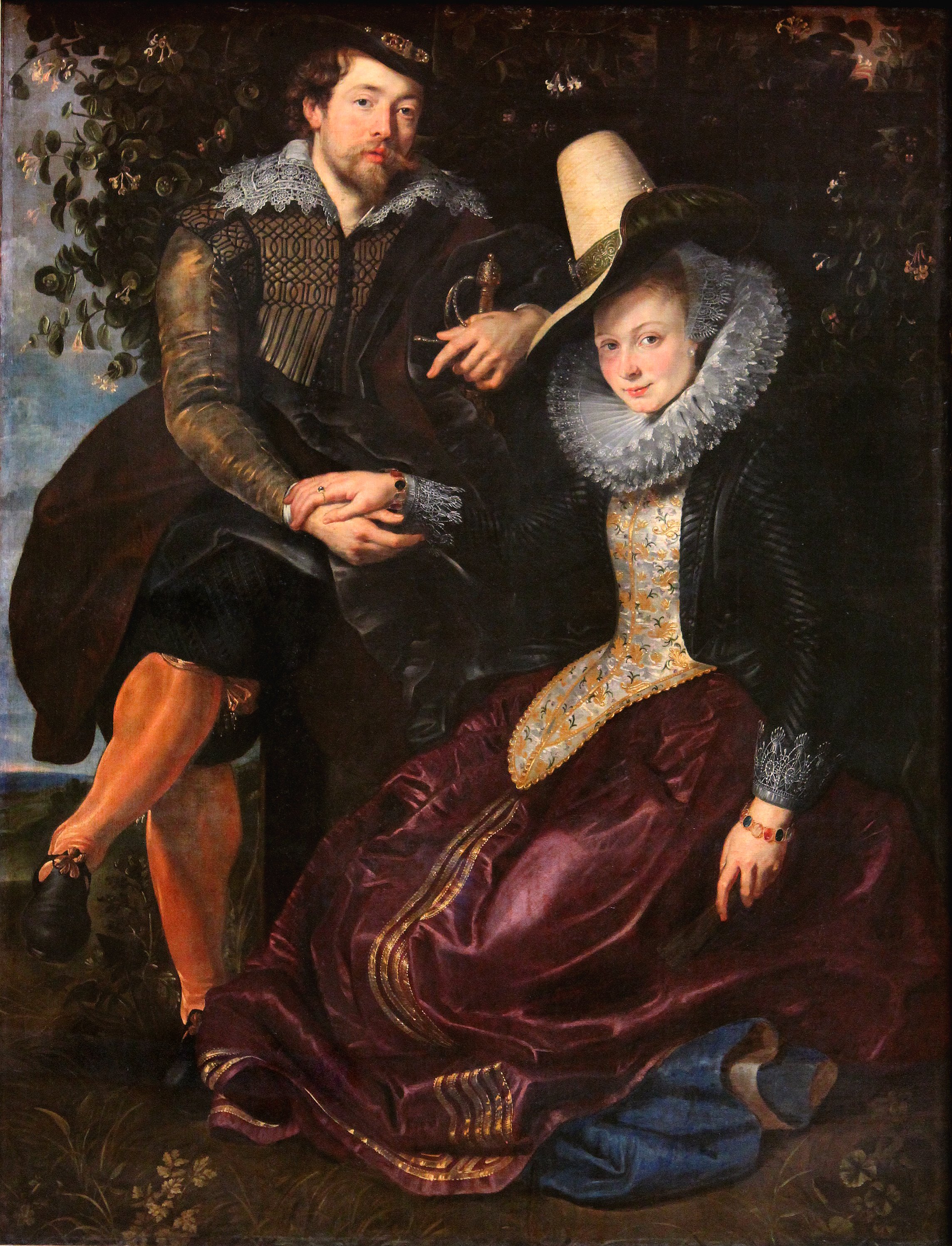
See also Rubens' wedding portrait. He was 32 at the time.
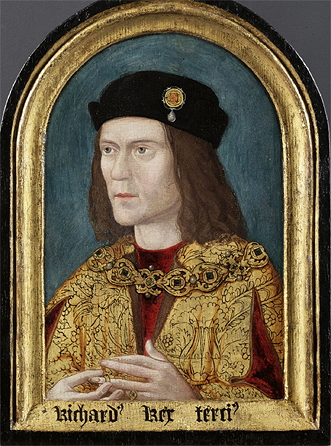
Richard III died at around 30.
Tommaso Inghirami at about 40. EDIT: This is portrait is from ~1509.