A little bit of a different question but hopefully it's still classed as history, I'm not too sure. What is the history of people knowing that they are living things & that their life wouldn't last forever? How has society evolved around the concept of "being alive"? Historically what are some well known positive/negative reactions "being alive"? What were society's views' on this?
I'm assuming this would possibly go back to Greek-Antiquity where Philosophers like Plato, Socrates, Empedocles, Parmenides, Protagoras... The academics of the age would start to question & test reality to see what could & couldn't be done? Am I right in thinking this? How long has it been thought that humanity will end?
Is there anything that you could recommend I read to fully understand or just get a better insight into the history of this concept? Thanks :)
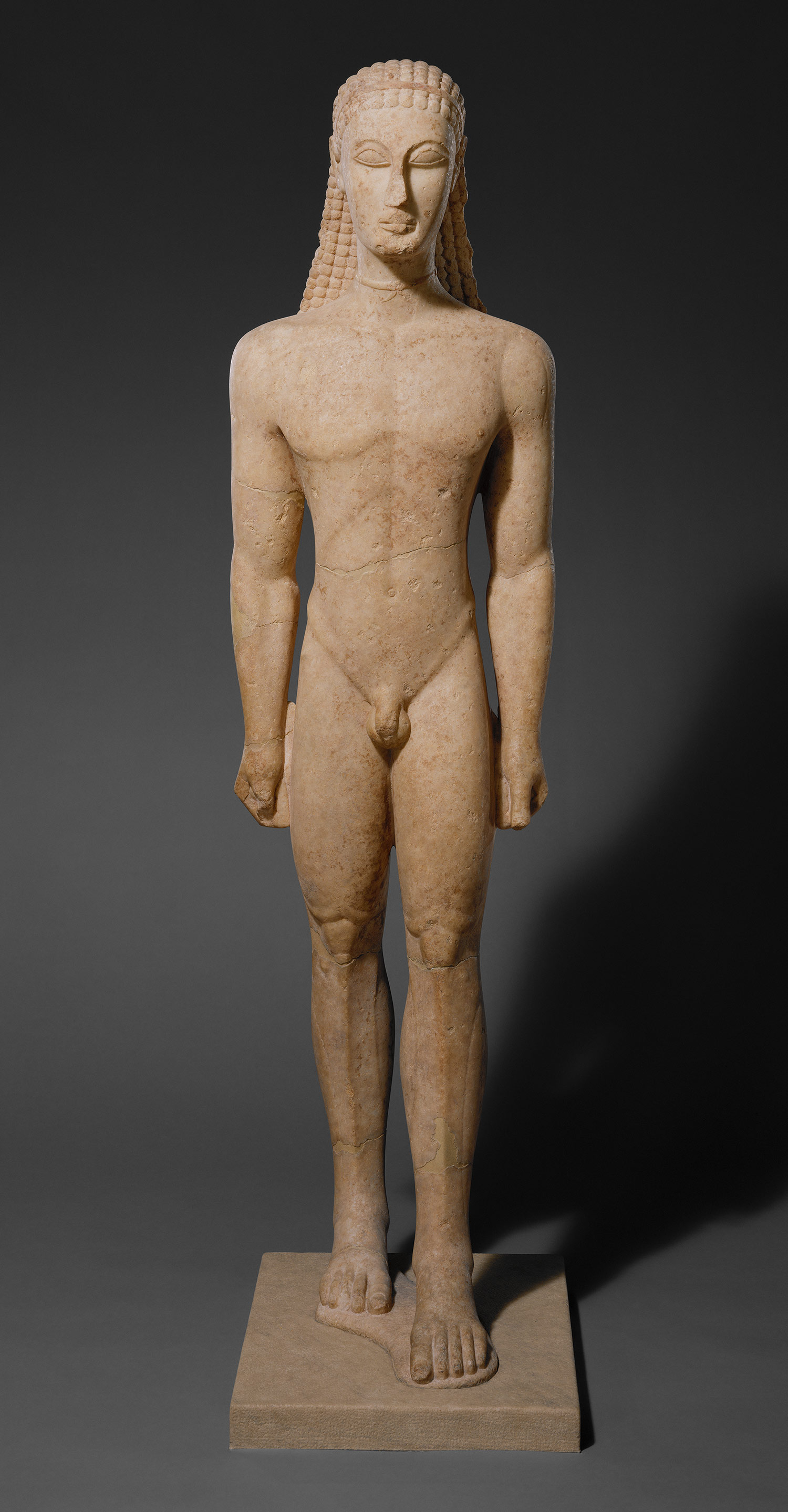
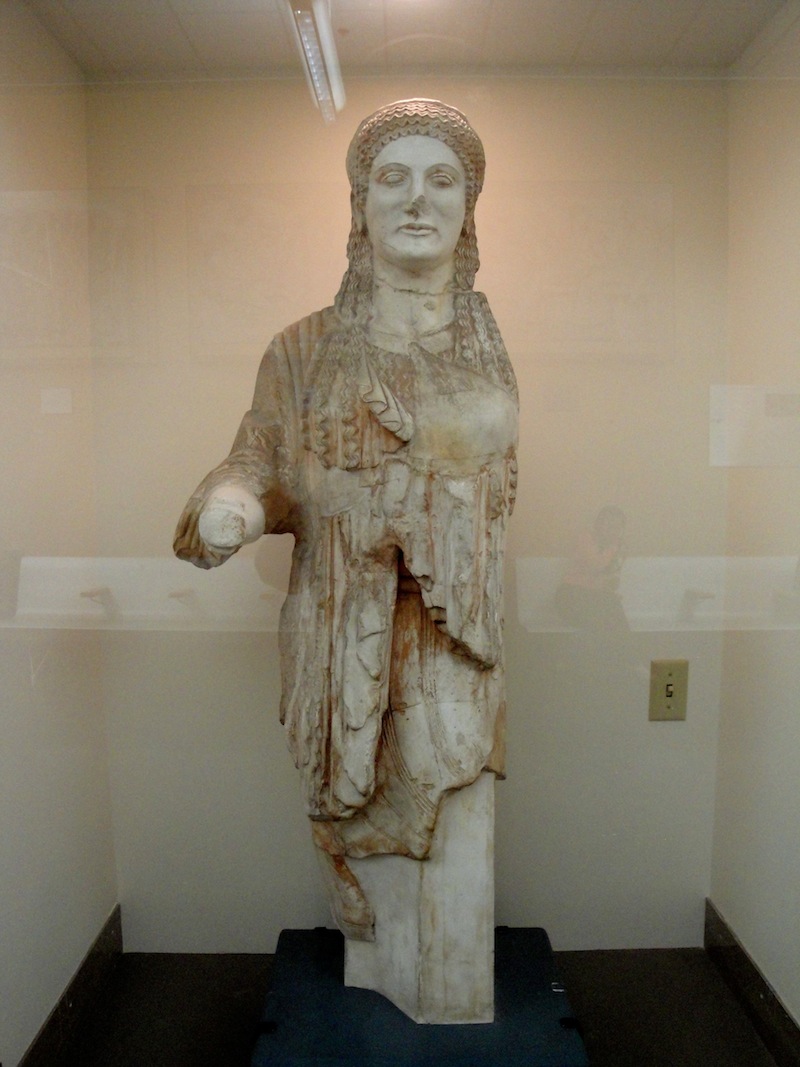
I don't really understand the question, but I can give a bit of an Art History perspective on some early differentiation of 'being alive.' The first thing that comes to my head is from the Archaic stlye of Greek Art. This period was famed for its kouros/kore statues. These statues have very little movement or speciality about them, but there is a key feature of their face that distinguishes whether a person is alive or not and that is their smile. If the statue has the archaic smile, the person was alive when the statue was being made. However, if a statue wasn't smiling, the person was dead. This clearly shows that they distinguished living and dead people. I hope that helps! If not, you now know a little bit more about Pre-Persian War Greek art! :D