I suppose there would be a slow trickle of Belgian refugees, some Belgians who were overseas during the German invasion and some foreign volunteers fighting in it's ranks. Still this doesn't seem enough to fight a bloody four year long war with almost the entire country occupied right?
As a follow up question, how were the Belgians equipped? Did the French deliver arms?
As the other poster mentioned, the Belgians really did not have that huge of a responsibility on the front. No major offensives came their way nor did they perform anything. Their tiny strip of land they held was by no means useless but it was supplanted by French and British support on either side if things got dicey.
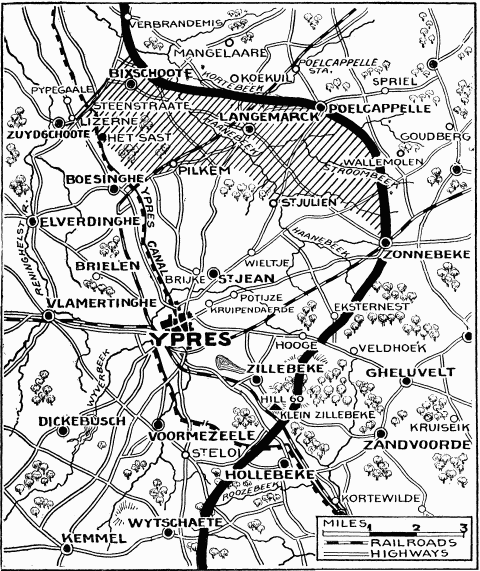
As you can see from the map above though there was no real benefit from attacking the Belgian position. The major fighting happened around the Somme river, specifically around Peronne and Albert, as that was the major linkage between the French and British lines. The British maintained offensive tempo there to make sure the Germans could not perform an offensive there and split the two and the Germans sent their weight there during Operation Lys in the 1918 Spring Offensives to, as the British feared the entire war, attempt to drive to the channel and cut the British off entirely.
Attacking North did not really do that much for the Germans; yes it would squeeze the Brits down a little more but putting a major offensive in that region only meant the French and British could perform a major offensive elsewhere with more success in a more critical area. Attacking the Belgian position brought no hope of encirclement or any significant strategic advantage so it was mostly left alone.
Ypres, just south of their lines, would be a major point of offensives though; first the German attack in 1915 and then Britain in 1917. However the first German attack was more about closing the salient on a 3/4th's encircled enemy rather than some grand strategic maneuver; it was a relatively brief offensive and would remain mostly untouched by major operations for another two years when the British would strike it in '17 for the purpose of striking German railway centers and, in a more general sense, breaking themselves out of the salient for future offensive operations.