As the title says; I'm just wondering how much equipment a WWII Commando would actually carry on his person during a conflict?
I recently saw a piece of artwork featuring the Commandos in a combat situation; the bullets were flying, men were running around fighting, and yet every single guy had his backpack firmly on. To me this seems a little far fetched - surely if you came into a live fire situation like that you'd take the earliest possible opportunity to drop your heavy bag and lighten yourself up?
In the same image, it shows the soldiers fighting whilst wearing their distinctive berets rather than a tin hat. Again, this seems strange; I don't quite find it believable that some of the most professional and pragmatic soldiers in the world would choose to wear a beret instead of protective headgear.
Maybe it's just an artists interpretation, or maybe my thoughts are completely wrong. Either way, I'd be interested to know. Cheers guys! :)
Not sure about the packs, but the steel helmet protects against shrapnel, not direct hits from bullets. Since the commandos were involved in small raids and unconventional warfare, it's not unreasonable that they would have preferred to save on weight when shrapnel would have been unlikely.
See this youtube video for a steel helmet penetration test: https://www.youtube.com/watch?v=VEYXFGhIpJ0#t=135
Helmet, absolutely a helmet; berets in combat are the realm of video games, 1960s Hollywood, or a particularly poor NCO.
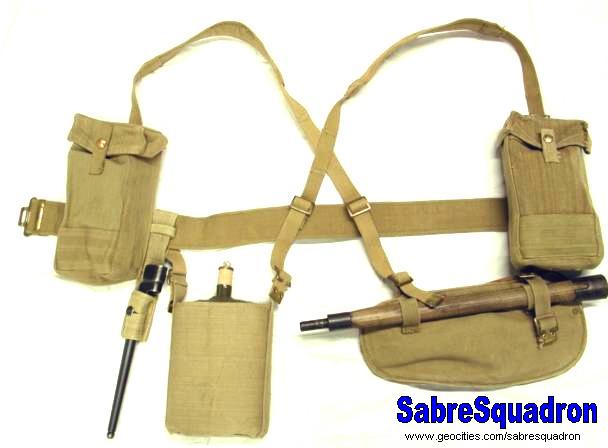
Commandos standard combat load would not differ greatly from that of a British rifleman.
I recently saw a piece of artwork featuring the Commandos in a combat situation; the bullets were flying, men were running around fighting, and yet every single guy had his backpack firmly on
Commando units raiding at night, perhaps not, but many of the 4 and 40 series units fought during full spectrum operations in 1944, such as in the Sword and Gold sectors; Lord Lovat's being a prominent example. Infantry fight with their packs, especially if they intend to hold the seized ground. Entrenching tools, ammo, rations, medical supplies; these are not things the standard British webbing could carry without the aid of a pack. As I said at the start; with the exception of low-light raids, a helmet would always be present, or at least with them on their kit. A wool cap would be evident in matters of stealth, to prevent the rattling of the helmet or the sheen of one that hasn't been properly dulled in moonlight, otherwise, if bullets were expected to fly hard and often, a tin helmet would be worn.
In addition to the standard combat load (100-120 rounds, per man, .303 British, several Mill's bombs, bayonet, knife/gravity knife, entrenching tools, 3 spare BREN magazines, and so on... ) a Commando on a raid may have tools for sabotage, additional radio equipment, ammunition, rations or packages for liason with Resistance Forces, demolitions...the list is nearly endless. A pack would be absolutely necessary and a unit that is designed to operate well beyond the scope of logistics would indeed require to take all their equipment with them.