If not, are there any parts of North, Central or South America?
It sometimes appeared that way, because Native Americans would sometimes be shifting where they lived, depending on the season. Some places -( the Alleghenies, for example, which includes a lot of West Virginia now) were good for hunting, and so a good place to spend the colder months. Colonists could build on seemingly unoccupied land, then discover that it was actually territory in use for part of the year. Likewise, if a tribe gave permission for some Colonists to settle an area, they assumed ( initially) that they would be sharing the space with the tribe, not fencing it in and staying put.( William Cronon, Changes in the Land)
Saint pierre and miquelon is the one that springs to mind
By the time the europeans arrive around 1500 the natives had already died off or left and returned to the mainland
So the europeans settled without having to take the territory from any natives
There are other islands like this such as bermuda,various uninhabited carribean islands, and the falklands (malvinas) that come to mind as having no native population at european arrival
That would depend on what you mean by "claim". Certainly, there are places where people have constructed houses that were not settled at any point in history. Much of the land in Boston and Lower Manhattan did not exist before it was constructed, so trivially that would not have been settled by natives. That's very different from not being aware of land. Had Europeans shown up in 1492 and just started filling Boston harbor with dirt, someone probably would have come out to ask what the heck they were doing. So many of the places that did not have immediate settlements certainly would have been known to Natives. This makes it quite difficult to determine whether an area was "claimed" or not. There were certainly no large areas on the American mainland that were proveably unknown to natives.
However Europeans did discover a number of islands in the Americas. Perhaps the closest to meeting your criterion is Sable Island, which was unknown until Europeans discovered it. Whether that counts is up to you.
All of that said, I see a number of questions you've had in here that I'd like to take a minute to answer.
I wonder why European visitation had such catastrophic effects on the Native American population, but did not cause similar problems when they visited Japan, India or China? Or did they and we just haven't heard about it as much?
There's extensive literature on the epidemics the columbian exchange brought to the New World and a fair amount of debate remaining on the details. It's universally agreed that the epidemics were the result of Europeans introducing diseases that had either died or not never existed in American populations. Asia and Africa did not have the luxury of complete isolation from Europe in the past. In fact many of those diseases had originated outside Europe in Asia or Africa. When the diseases arrived, they found huge populations without any immunity to the diseases. Not only were initial fatality rates extraordinarily high (some areas losing a third or more of their population), but the diseases themselves often recurred. When new populations would come into contact (as the Apache and Comanche did during their raids in the 18th and 19th centuries), the diseases would devastate their populations. The Comanche in particular had over 30 distinct outbreaks during the mid-19th century.
I'm thinking it might be more a function of the lack of large urban environments. Genetically Native Americans are similar to East Asian people, yet the Dutch didn't kill all the Japanese when they visited.
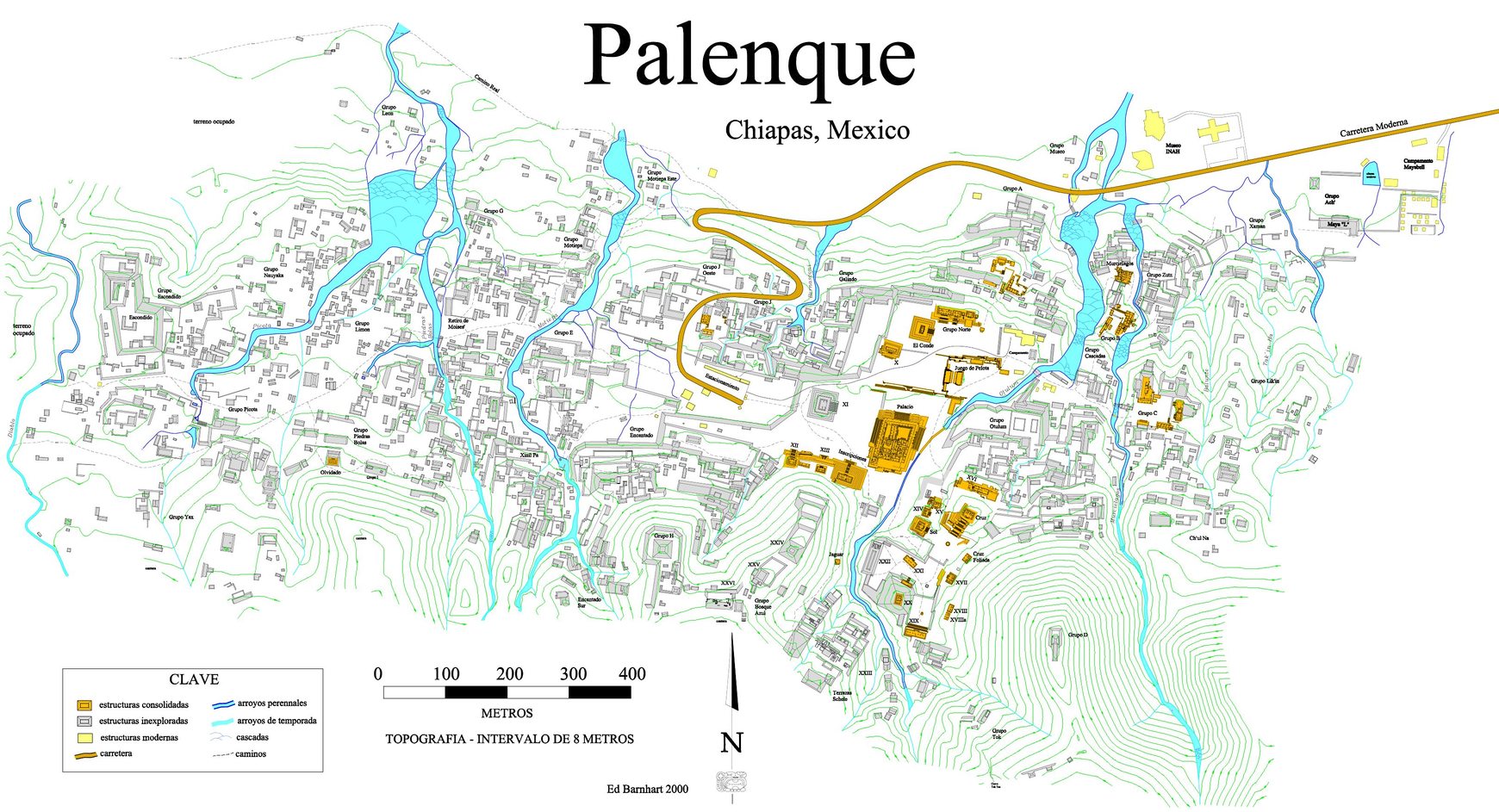
I genuinely can't tell if this is a troll or not but on the off chance you're serious, it's wrong. Mesoamerica was one of the most densely populated areas on earth at the time. Tenochtitlan alone was larger than London. Palenque was huge, covering many miles (although maya cities had notoriously low population density). In the modern US, Hohokam and Puebloan peoples had been building urban centers for centuries before their dispersals.
I had always thought most of the Japanese except for the Ainu came from China through the Korean peninsula... whereas the Native Americans would have come from China through Mongolia
Beringia is 3000 miles from anywhere in Mongolia. Native Americans originally came from arctic peoples living in the Chukchi Peninsula.
If you live among thousands of people as opposed to dozens... you would encounter a wider variety of diseases...
While this is true, to imply that Native Americans didn't live with many other people is wrong. The neighborhood I live in sits atop the ruins of a village with well over 10,000 people. The area my county covers hosted more than 100,000 people at its height. Believe it or not that would have been a low-density area compared to some of the major population centers in the Southeast or Mesoamerica.