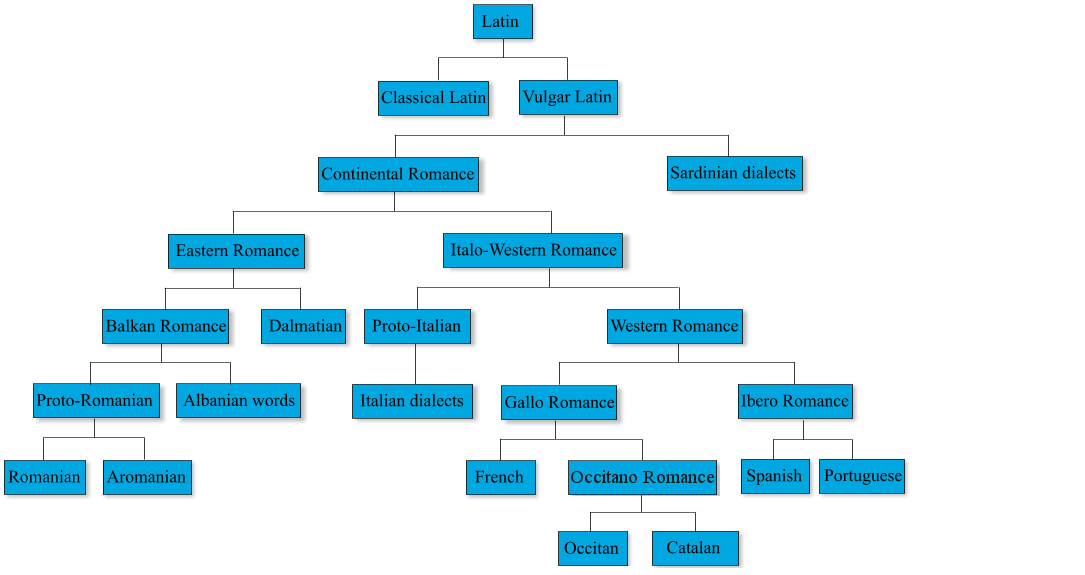
With the decline of the Roman Empire in the west, written Latin did not disappear. Instead, it became the 'international' language used for communication. Through the ages it devolved and lost its linguistic cohesion. In the fourteenth century the Italian humanist Petrarch (Petrarca) argued the centuries separating his age from the Classical Age were an era of darkness. In his eyes, the tremendous loss of knowledge could only be remedied by studying the classics, most of all the great Cicero, whose lifetime happens to overlap with Emperor Augustus' lifetime. Cicero's writings have been extremely influential, both in style and ideas. His prose was and is the model of what Latin should be like. What's being taught in school these days is the Latin as it was written in Cicero's, and thus in Augustus', time, so yes, the Emperor should be able to understand it.
If so, why didn't Latin evolve and change in a similar way to other European languages?
Latin evolved in a multitude of ways, resulting in all of the Romance Languages, which include several widely-spoken modern languages (Spanish, French, Italian, Portuguese) and many others. Here are a bunch of earlier posts
General
Who spoke Classical Latin? How far down the social hierarchy did it extend?
Question about the spread of Latin in the Western Roman Empire.
Italian
FAQ section How did Latin "die out"? How did Italian evolve from Latin?
When did the transition from Latin to Italian happen? - includes a link to a related post in /r/Linguistics
Is the modern Italian language just Latin that morphed over a few thousand years?
Romanian
Why does Romania speak a Romance language but none of the rest of Eastern Europe does? which links to this quite old thread How did it end up that Romanian, a romance languge, is spoken in n area completely surrounded by slavic/hungarian, cut off from all other romance languages?
French
If Latin were a purely written language, would it have been more stable? I know Hebrew for example didn't change very much over a similar time frame- there were some changes in grammar and some new words, but you can easily read Hebrew from any time period.