I noticed that those areas are pretty much a huge desert. Wouldnt it have been really difficult for someone in the 1500s to explore those areas by foot or horseback? I mean is there even that kind of geography in the Iberean penninsula where those explorers come from; wouldnt it have been a really alien nvironment they were exploring?
If you know what you're doing and where you're going, aridoamerica is navigable on foot or by horseback. In many parts of the area, water is only reliably available through surface depressions called tinajas. These waterholes were well known and often closely monitored by native peoples. Of course, Spain itself does have a desert, the Tabernas. It's much wetter than aridoamerica, but similar enough that deserts would not have been unknown. However the landscape presented a number of challenges to explorers. Most obviously, water was an issue for anyone who traveled without native help. Father Kino famously collapsed due to dehydration in Pimería Alta only to find that he was at a spring he named Moon Spring. There's an excellent book on the importance of water sources to Southwest travel called Last Water on the Devil's Highway.
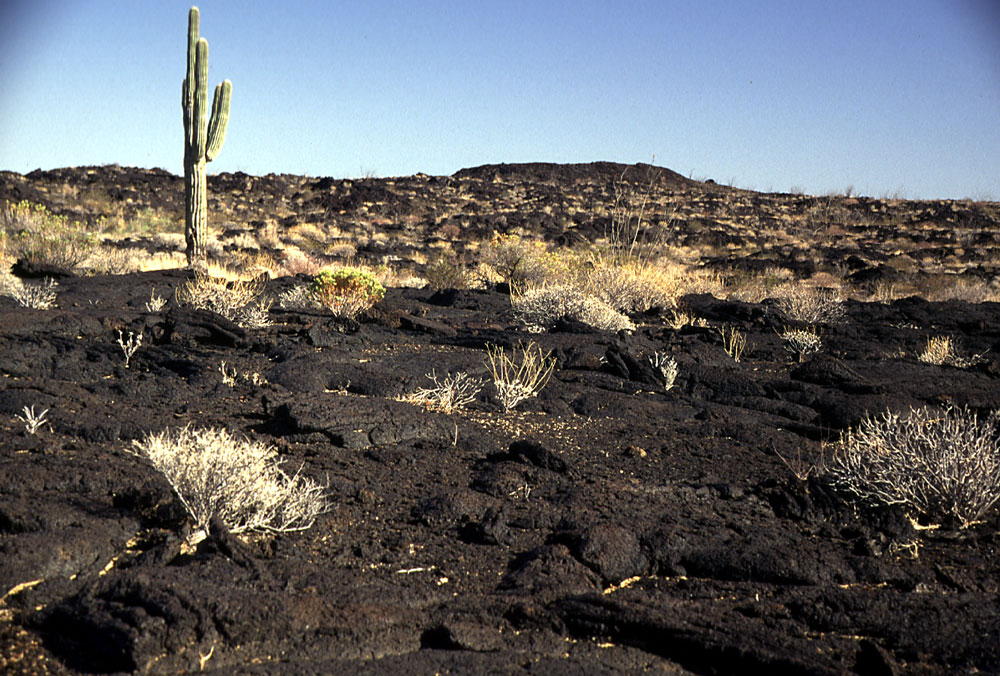
The Southwest also has a long history of vulcanism, which created some of the most significant obstacles to travel in the area. El Malpais and the Pinacate fields are entirely impassable to horses. The hard, sharp stone will simply cut their feet to pieces. Having cut my hands in both places, it's fun stuff...
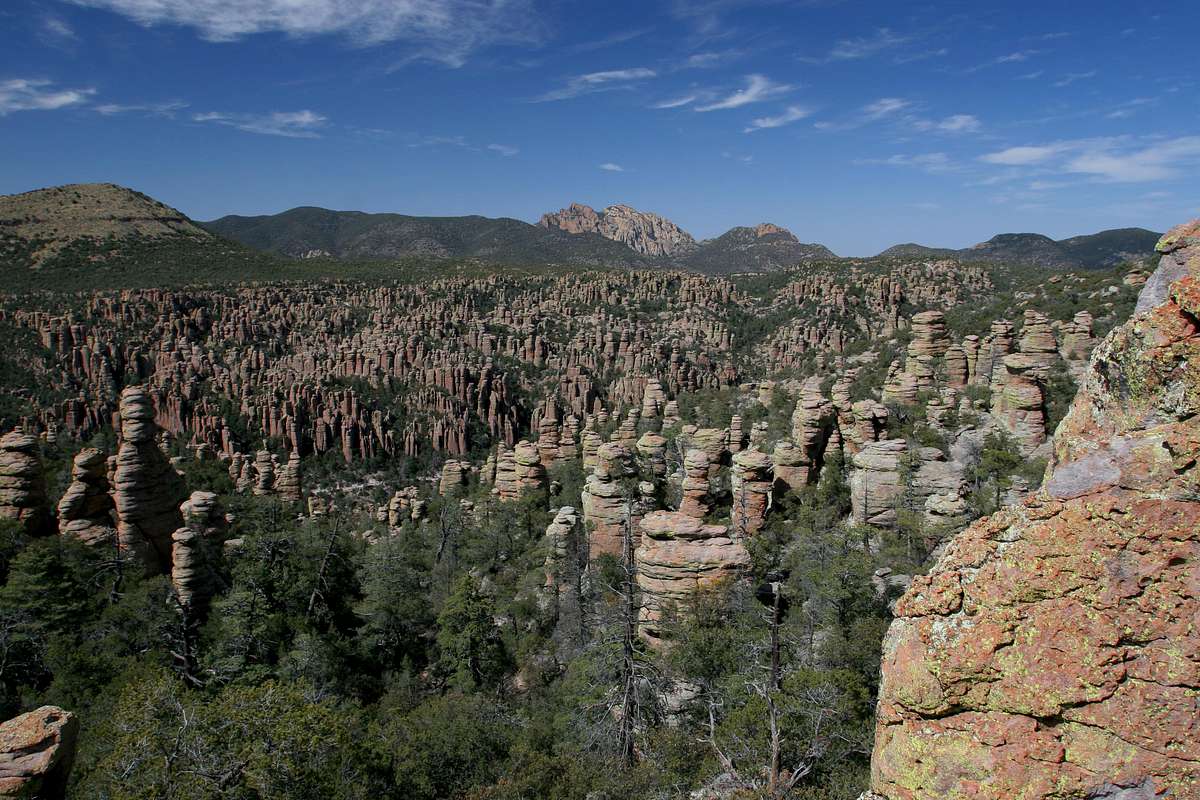
Water and erosion form many of the other geographic impediments. Chiricahua and the Altar Desert are both the result of erosion. Farther to the North are the unclimbable cliffs of the Colorado Plateau. Many of the and mountains here, among them the Grand Canyon, must simply be bypassed. These can add hundreds of miles to a journey that might be only a few tens of miles as the crow flies.
The environment of the Southwest is incredibly harsh and early explorers had to contend with immensely difficult conditions they were ill prepared for. Native support of their expeditions could and did determine their fates. Cabeza de Vaca was stranded in what is now Texas after the failed Narváez expedition. His account of the journey emphasizes that those who angered the natives were left alone to starve. By far the biggest factor in survival was simply how much the locals liked the explorers. Those parties that managed to anger one or more of the tribes often ended up running for their lives. Explorers and settlers on good terms with local natives could expect food and help if they needed it. In the Chiricahua Apache's version of the Johnson massacre, an American party hunting Apache scalps attacked them with a small cannon while they sat for dinner. The Apache retaliated by killing 22 traders in a wagon train a short time later.
While the environment would have been alien to Spanish explorers (and arguably remains alien today), it's not unsurvivably so. I unfortunately cannot even begin to estimate how many people would have died during the exploration for a number of reasons. We simply don't have records detailing how many people went out or what their fates were. It's also highly dependent on the period over which we measure. Conflict with natives erupted many times between the 1570s and 1800s and death tolls were high. Even higher is the number of people who fled or otherwise got lost in the chaos of Northern Mexico, a similarly inestimable toll.