This is something I can answer! I am German, and my primary source here is Graham Sumner's "Die Römische Armee", which I also only have as a German edition, so apologies if there are some translational inaccuracies.
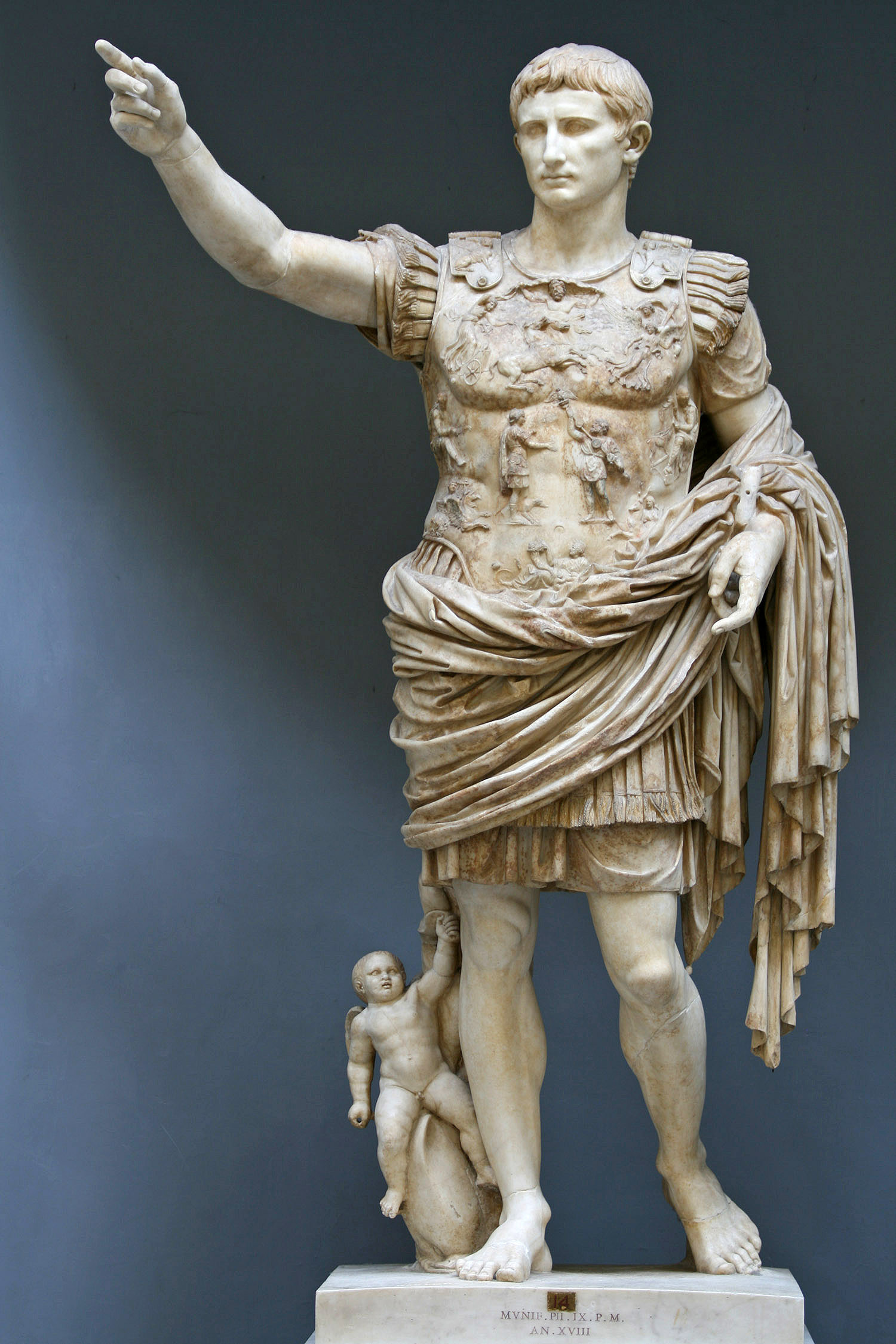
The "6 packs ab" design, colloquially called "muscle armor", is widely known from Roman statues, the most famous of which is probably that of [Augustus] (https://upload.wikimedia.org/wikipedia/commons/e/eb/Statue-Augustus.jpg). Based on this, we must assume that it was in fact at least used in the Roman military.
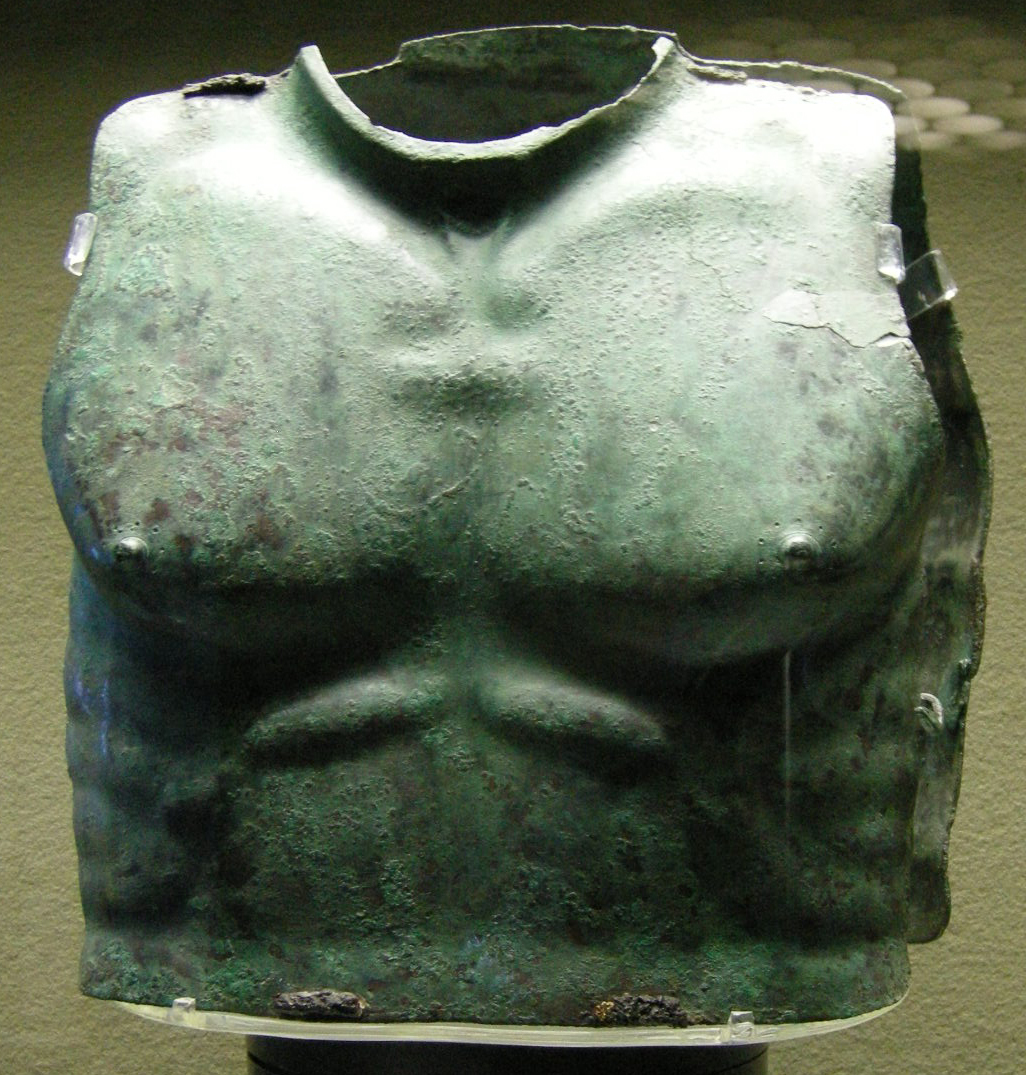
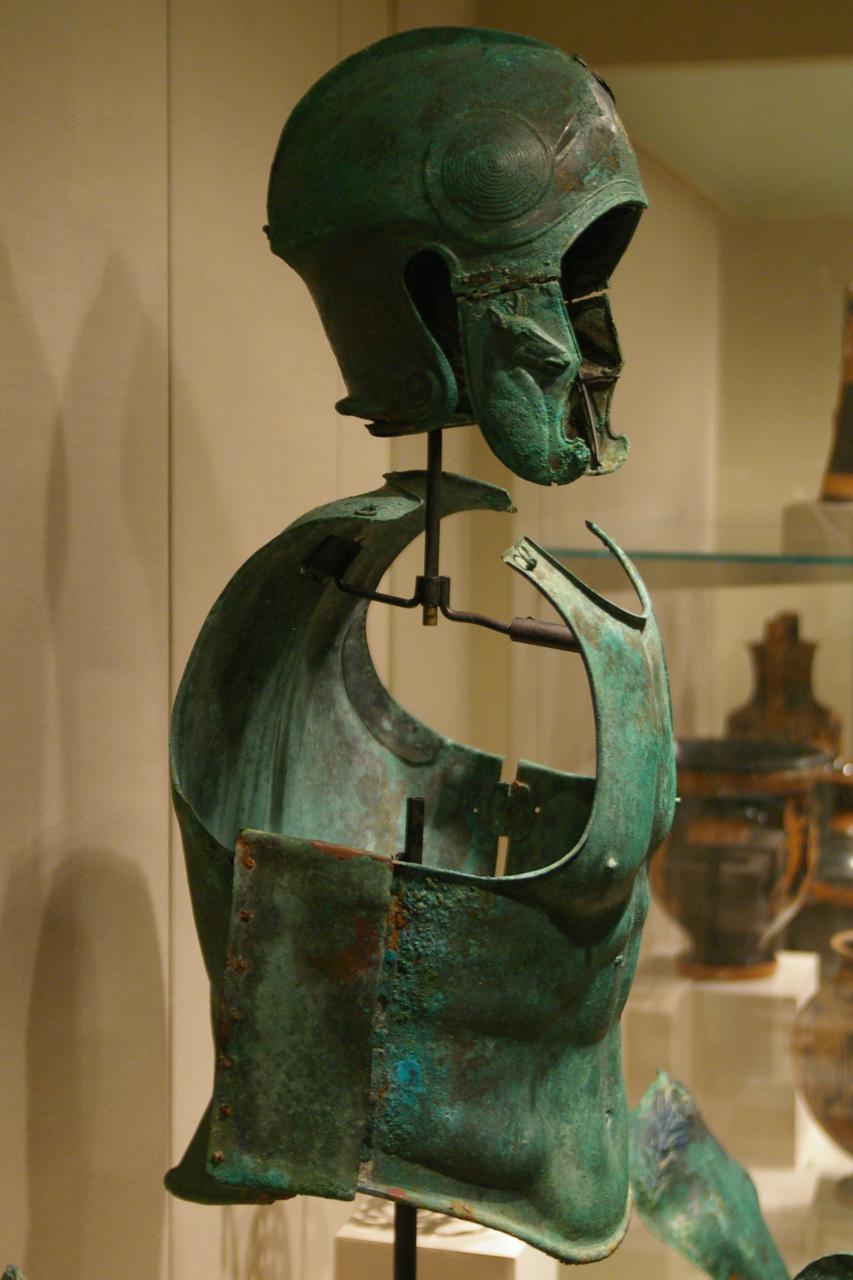
However, we have no archaeological proof of this type of armor - not a piece of it has ever been found, at least not from Roman times. What we do have are older examples, such as Greek hoplite muscle armor
Because muscle armor is so abundant on statues, one theory is that it was made from leather, which would explain why there are no surviving examples of it (as leather does not preserve as well as metal armor). However, the prevailing theory now is that this type of armor was exclusive to very high ranking officers, and not widely used in the lower ranks.
The armor of the rank and file soldiers, for which we do have archaeological proof, is much more likely to be chain mail, segmented armor and scale armor.
Primary source here is, as I mentioned, the Graham Sumner's "Die Römische Armee", which, as far as I can tell, was published in 2 books in English ("Roman Military Dress" and "Roman Military Equipment").
There is some debate but, in Roman context, the Muscled Cuirass apears to have been a part of the "Uniform" of high ranking Roman officers during the Repulican and much of the Pricipate eras. Unfortunately most of the evidence we have for Roman use of the Muscled Cuirass comes from statuary and other monuments while Polybius completely omits the Muscled Cuirass from his account of Roman military equipment so it is possible that such equipment was limited to more of a parade uniform status than field dress.
The Musculata (6-pack ab) armor was most likely for show and reserved for higher level officers as it was form fitted and not easily adjustable.
The Romans were very much about efficiency when it came to military matters. The more common armor of the Roman Legion was the Lorica Segmentata, an armor made up of overlapping bands and panels of metal plates. Much of the information about the lorica segmentata comes from the Trajan's column monument and other friezes and monuments of the time period. There is archaeological evidence of the segmentata all over the place that seems to support that it was far more common than any other type of armor but there are questions as to whether that is because it was more prone to losing pieces as opposed to being more prevalent.
As someone who has made both medieval and roman style armor I would say in my personal opinion based on experience that the segmentata is far easier to construct in bulk and to fit to a user rapidly than any solid piece of armor such as the musculata. It is far more time consuming to make fitted musculata chest pieces or chain mail than to strap together a bunch of pre-made strips in varying sizes. If you want to read more about the segmentata style of armor here is a good scholarly paper on the subject from academia.edu that is the source of some of what I said above.
can i just point out that in almost every historical piece of art depicting musculata or even just a torso, the plate does not, in fact, include overly cut "6 pack" abs?
the greeks and romans really preferred a deep chest and semi-toned abdominal muscles, they probably would have thought 6 pack ab musculata was silly and over the top.