When did it become comman practice for militaries and armies to wear uniforms or unified attires? Do we have any idea what inspired this to happen?
Hello! I've actually written a bit on this subject before. Here's the first response I could find. The gist of is, while uniform clothing was in use since the late Middle Ages, Military Uniforms in the modern sense are a product of the late 17th century.
There were, of course, precedents for the issue of uniform clothing. I went over some of these examples in the answer which I linked to above. However, these early examples of uniform are not true uniforms. To use an English example, while Elizabethan or Stuart regiments might present a uniform appearance on their first muster, their clothing cannot be said to be a uniform in the modern sense. The colors of their cassocks, breeches, hose, and doublets were dictated by the taste of the commander, and the availability of cloth. Their usage represented the proprietary, even mercenary, nature of soldiers in the 16th and 17th century.
While a uniform was useful for distinguishing friend from foe on the smoke shrouded battlefields of early modern Europe, this was not its primary function. Recognition on the battlefield could be achieved by the use of scarves, or sashes, to distinguish variously clad regiments of one side the other, equally variously clad regiments, on the other. The use of scarves worn across the body was particularly notable during the English Civil War- Parliamentarian forces wearing tawny colored scarves, and Royalists preferring crimson. Such a system was, of course, somewhat easily subverted. In lieu of this, armies adopted field signs, usually kept secret until the day before a battle- A sprig of oak leaf or a piece of white paper. Again- This system had its limits. Thomas Fairfax found himself surrounded by Royalist cavalry at Marston Moor, and escaped by removing his field sign from his hat. That he accomplished such a feat so easily speaks the homogenous dress- typically some variation on the 'cavalier' dress worn in civilian life- of the officers on both sides of that conflict.^1
The use of military uniform is rapt up in the rise of the State, and its monopoly on violence, in the latter 17th century. Thus, during the late 17th century, a uniform did not so much distinguish friend from foe as it did declare who owned the soldiery. The nearest precedent for military uniform was servants' livery. The distinctive colors of military dress, be it British red, Bourbon white, Austrian pearl grey or Prussian blue, held significance for the ruling dynasty. Likewise, a well-clad soldier, like a well-clad servant, communicated the wealth and power of his owner. As Daniel Hohrath writes, in his recent and excellent study of the uniform of the Prussian army under Frederick the Great:
"The emergence of the standing army of the 18th century symbolized the bonding of the military to the state ruling structure, making the ever more magnificent uniforms a prime method of state self-presentation. The difference from civilian clothing was underlined by the use of many colours, numerous decorative elements and special headgear."^2
Hohrath writes about a time when military dress, in Prussia at least, was becoming very different from civilian costume. And yet, even in states where uniforms remained closely patterned off civilian dress, the same principle applied. In England, the warrants of the beginning of the 18th century, which guaranteed the minimum issue of soldiers clothing, and established the Board of General Officers to oversee the patterns of dress issued to the soldiers, represented a consolidation of trends towards state sanctioned uniformity which had taken place in the late 17th century.
Some general reading on the matter:
John Mollo. Military Fashion. Putnam, 1972.
Timothy Newark. Brassey's Book of Uniforms. Brassey's, 1998.
Battle Dress. Edited by I.T. Schick. Weidenfield and Nicholson, 1978.
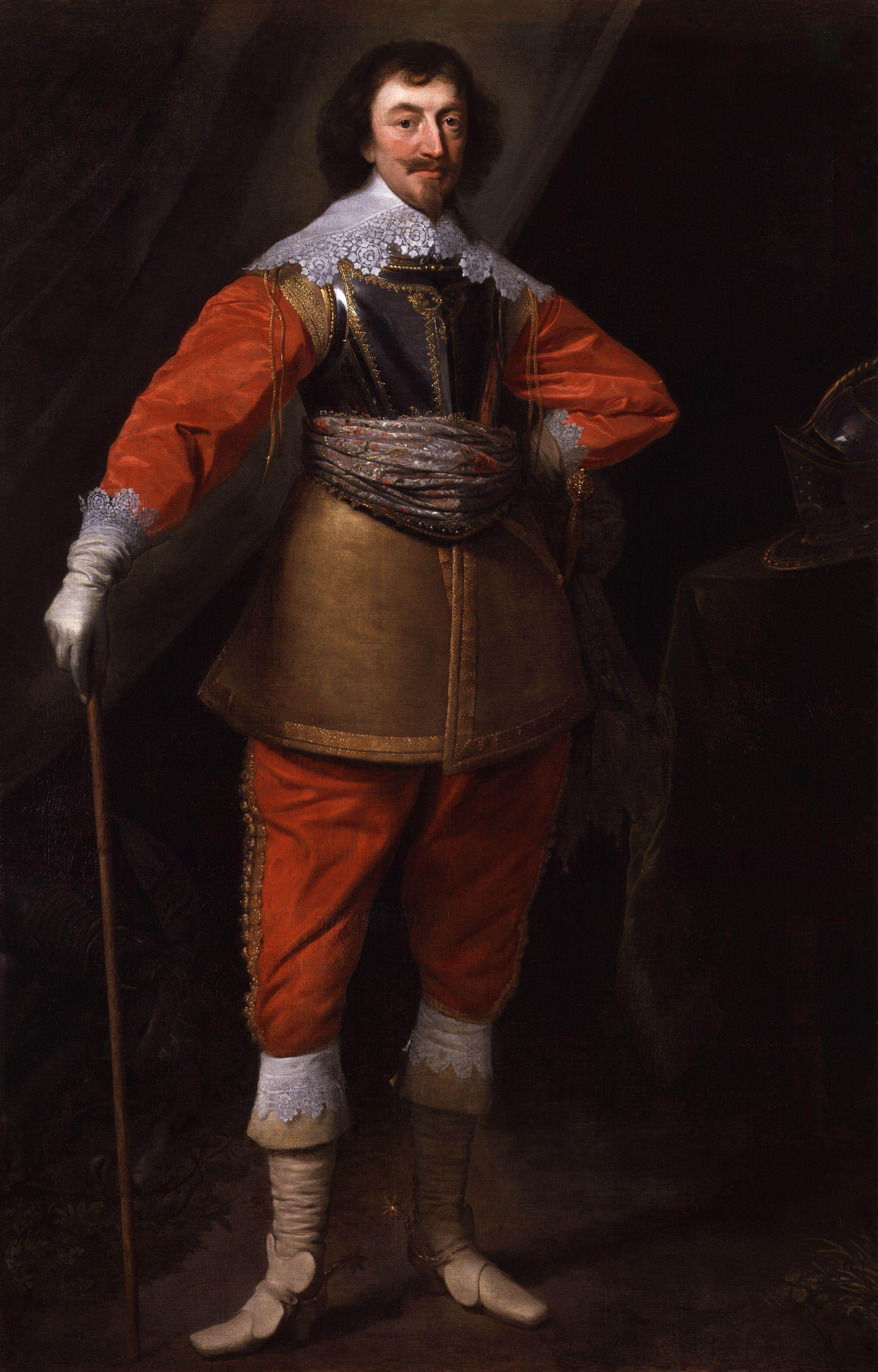
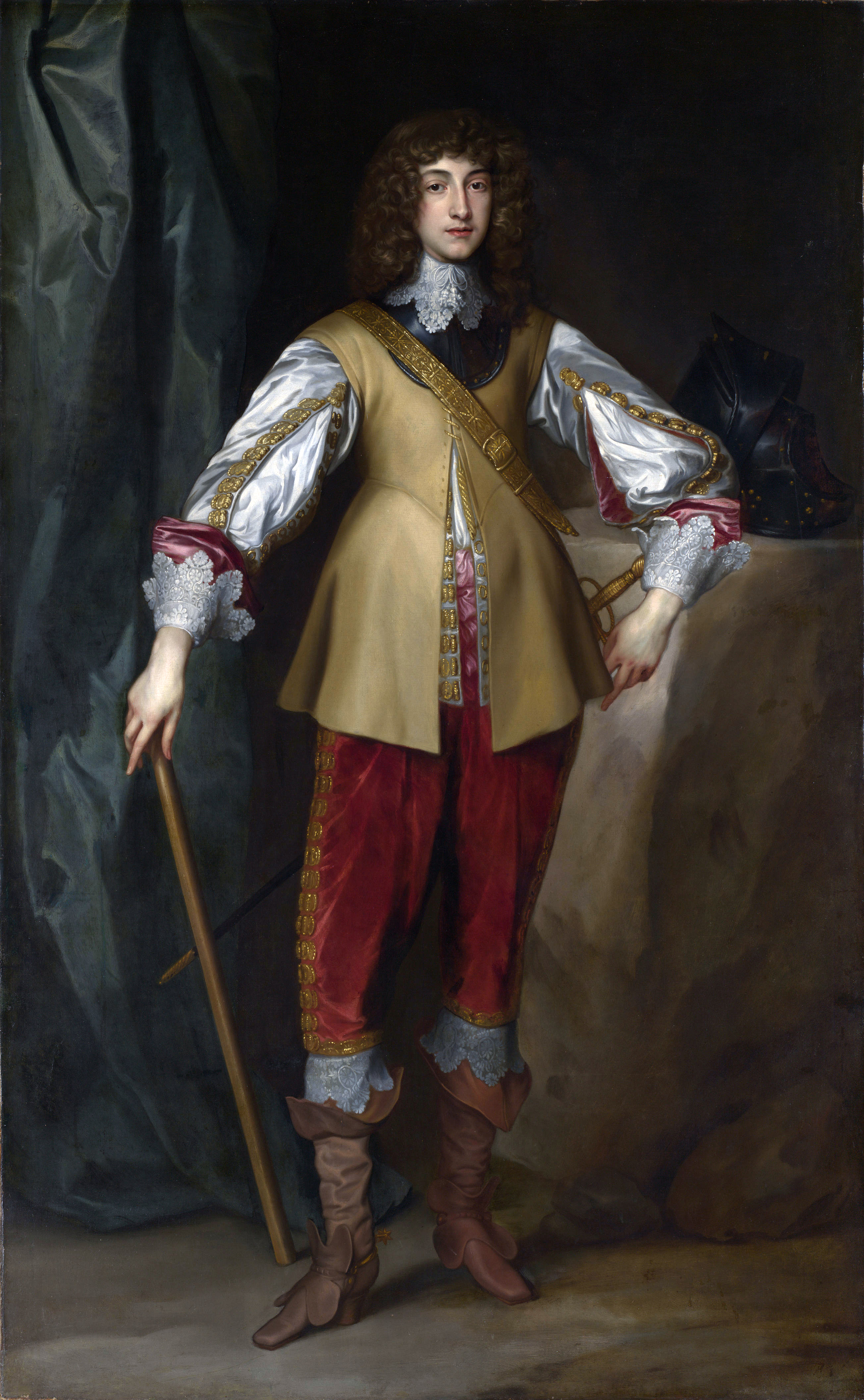
^1 The oft repeated distinction between the plainness of the Parliamentarians and the finery of the Royalists is overstated. If contemporary portraiture is anything to go by, both Parliamentarian and Royalist commanders dressed in the fashionable garments of their day. To use an admittedly limited example, the Parliamentarian Earl of Warwick and the Royalist Prince Rupert both had their portraits painted in the military dress of the day. Both wear elegant doublets and breeches, wide lace collars, buff coats, and vestigial pieces of armor- Warwick wearing a cuirass, and Rupert wearing the a gorget.
^2 Daniel Hohrath, The Uniforms of the Prussian Army under Frederick the Great from 1740 to 1786, vol. 1 (Verlag Militaria, 2011), 31.
Though the Imperial Roman army was in no way as uniform as media portrayals would have you believe, containing vast quantities of auxiliaries and local mercenaries, legionaries gear was fairly standardised in the first few centuries AD. Following the decline of the Empire however, the colours and equipment worn were decided by the local chieftain/baron/general or by just what was available to the soldiers themselves. In the early-modern era several armies including Sweden and France introduced standardised colours for specific regiments. The introduction of the famous Redcoat in the Parliamentarian's New Model Army in 1645 was a tipping point and is probably the first example of a unified colour scheme running through an entire army. As for the second part of your question I can't immediately recall or locate an answer and don't want to speculate.