The Greeks had a degree of understanding of nutrition and did use resistance training.
The diet of most Greeks was based on bread with wine augmented by olives, fish, fruit, nets, and vegetables. Other foods including beef and pork were more seasonal. But athletes (and there was such a thing as a professional athlete) had diets that had a lot more protein with a lot more beef, pork, and cheese. They also had dietary fads. In The Philosopher's Kitchen Francine Segan highlights how after one athlete won several races and attributed it to a meat only diet, an Atkins type diet became popular for a number of years. But even without that, the idea that meat was necessary for muscle growth and carbs (bread) were necessary for energy were concepts the ancient Greeks understood.
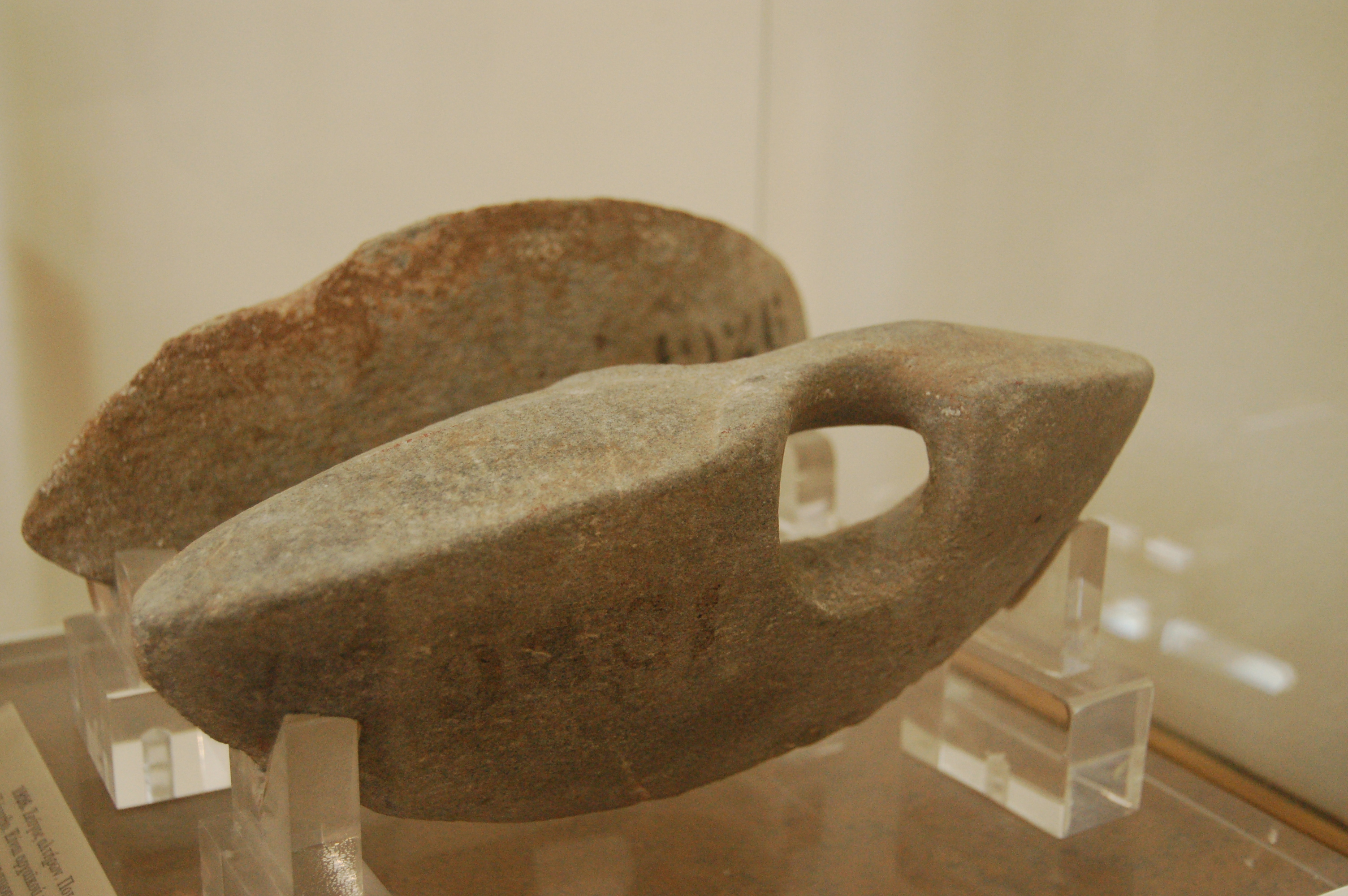
Likewise the Greeks developed free weights. These were barbells that would look odd to us today, like these Halteres. These were apparently used for some form of curls, lunges, and similar exercises. They were also used in the long jump competition. There are also stories of athletes carrying various weights to increase stamina and strength. One story has an athlete constantly carrying a newborn calf everywhere he went. As the calf grew, the athlete grew stronger.
Certainly the understanding of both nutrition and training was less advanced than our understanding today. But they did know the basic concepts.
I believe the ideal Greek form is based on balance rather than size, and would have been the result of someone who was good at the things the Greeks wanted to be good at. For example you'd get well defined arm and chest muscles from rowing and fighting, muscular legs from horse riding. There is also the issue that a lot of Greek sculpture is impossibly fit, some artists worked toward aestetic appeal rather than realism, for example the Riace Warriors