I've never seen scholarship addressing this question. Possibly because there are not ancient sources that address it (I've never seen in mentioned in an ancient source but I didn't do a systematic search for this post).
Left hand fighting wouldn't work in a phalanx formation because the purpose of the organization is such that part of your shield protects the guy on your left.
Roman legions didn't rely on the same overlapping shield defense, and there are arguments over how wide spacing was between individual soldiers (anywhere from 3 to 6 feet). The wider soldiers were spaced the less which hand held the shield mattered, I suppose.
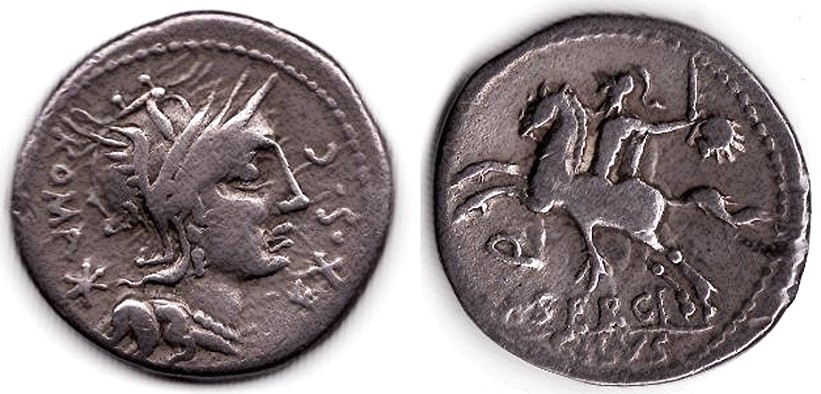
There is one case from Punic 2 that might be interesting. [This is my favorite Roman coin] (http://www.coinproject.com/siteimages/91-3900Sergius.JPG). This isn't the best example of it but it's what I found today. It was minted in the late 2nd century BCE, and depicts the minter's grandfather M. Sergius Silus. If you look carefully you'll see he's holding his sword (and a severed head) in his left hand, and with very good eyes you can see he's wearing his shield on the right.
The reason is he lost his right hand in battle early in P2. Pliny tells us he eventually had a prosthetic right hand made of iron which he would bash Carthaginians with, but in the mean time he fought with his left.
Maybe the fact that Pliny pointed out he fought with his left (and the coin illustrating it) is evidence that fighting left handed was at least extremely rare and worthy of commentary?
Was there any thing against using the left hand in Rome?
Follow-up question: WERE people left-handed, in the recognised sense?
My understanding is that the majority were illiterate, so was it more a case of some individuals just favouring different methods to the 'norm'? In which case with relatively standardized training - was that the case? - surely there would be no question of using anything but your right hand (except in extraordinary circumstances).