Hey there,
Fairly simple definitions really within the military, but obviously those outside without such a keen interest can easily make mistakes - a common one being any form of armoured, tracked vehicle being a "tank" in the press. Whilst this isn't a directly historical question, I will approach it as one and give you a bit of historical background into the development of these classifications.
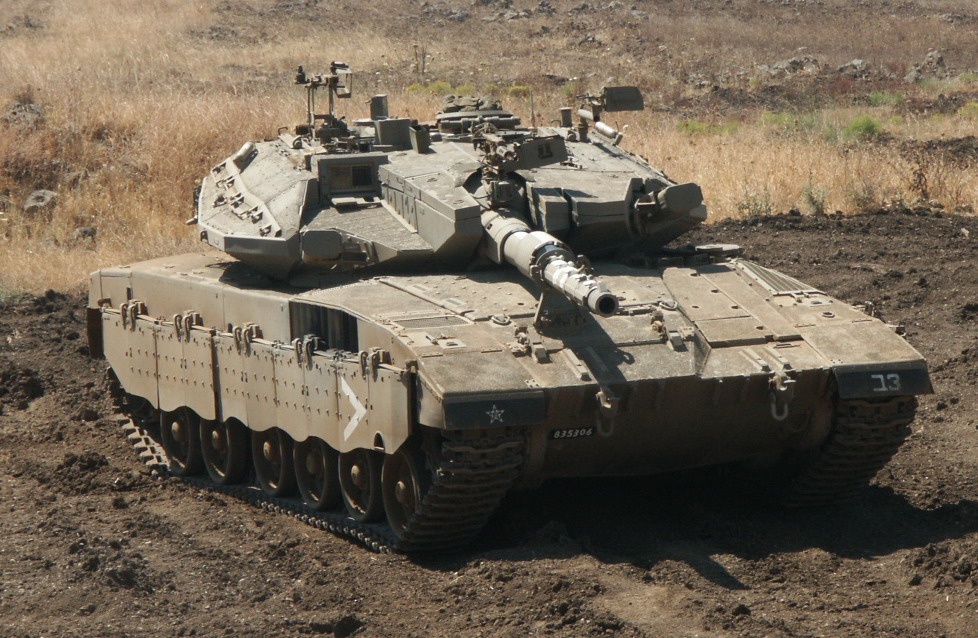
A Main Battle Tank is generally defined as a heavily armoured vehicle mounting a large calibre cannon, capable of heavy damage in direct fire (as opposed to SPG & Artillery with indirect fire). The standard calibre nowadays being (generally) 120mm, but the British L7 that was widely adopted on essentially all major NATO tanks during the Cold War - American M47, M48 & M60 Pattons and the early M1 Abrams (under the M68 Liscence built model), British Centurions, Israeli (Not NATO but it's a major ally) Merkava I & II, West German Leopard 1's used the L7A3 variant. MBT's developed as the old system of Light, Medium, Heavy & Super-Heavy tanks was ditched in favour of more universal systems - this was a natural progression mainly due to the increase in technology. For example - in WW2 Light tanks (think M3 Lee) would scout and recon and act as light support for infantry sections against light targets/fortifiactions, whilst medium tanks would be generally used in offence due to their balance in armour and mobility (Think Pzkpfw IV or the T-34-85), and Heavy tanks would be supporting Infantry due to their slow speed & heavy firepower (Pzkpfw VI Tiger & the M26 Pershing). Super-Heavy never properly saw battle or even go beyong prototyping (Pzkpfw VII Maus & T-28 Super Heavy Tank). One notable exception is the Israeli Merkava, whilst it features excellent safety and armament options, It's the only mass-produced MBT that is based on the chasis of an APC as far as I know. If I recall correctly, the merkava also still retains a minor internal troop transport capability due to it's chasis, the Namer APC
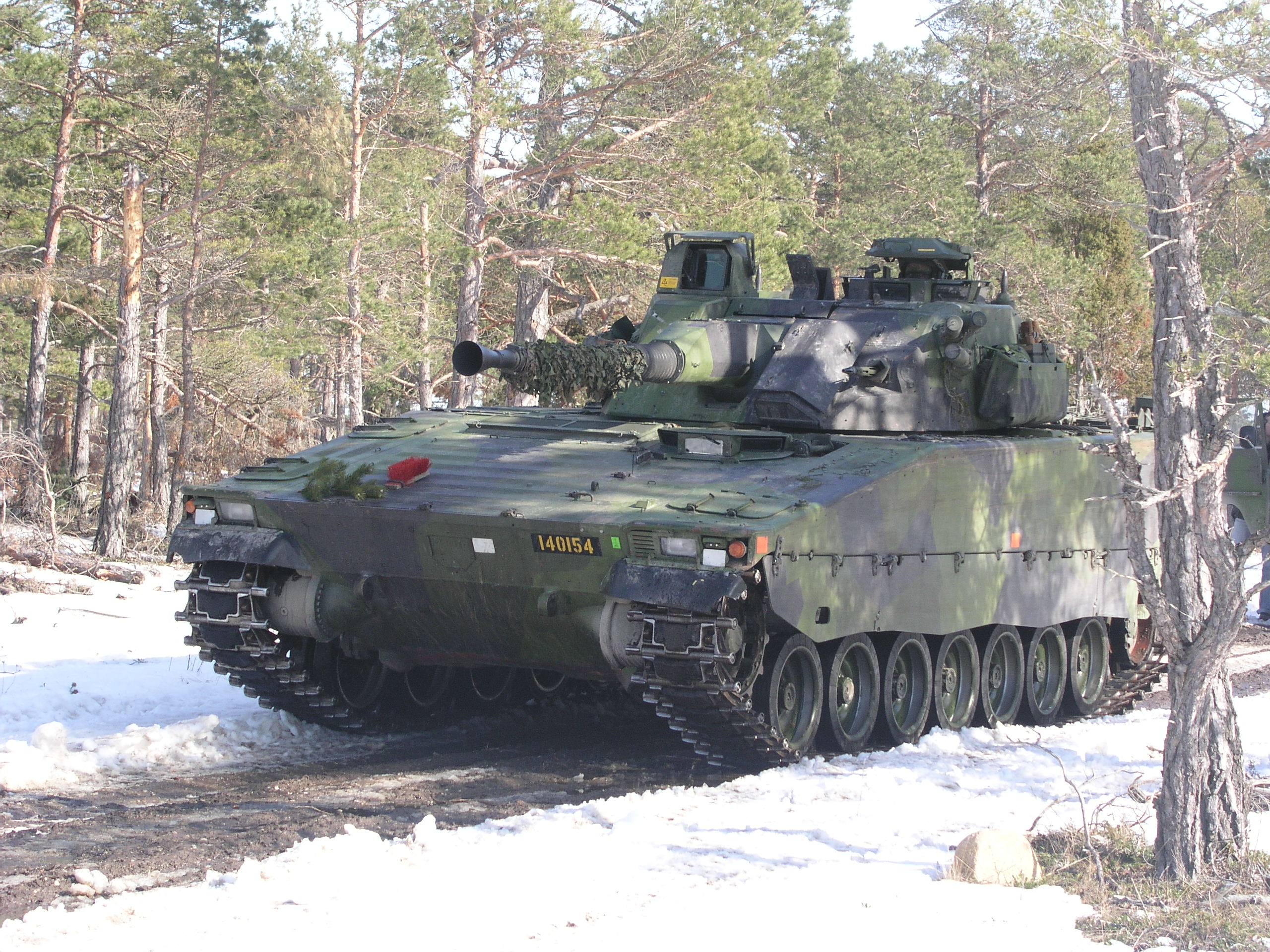
An IFV is an Infantry Support Vehicle. Some prime examples would be the FV 510 Warrior, the BTR-80a/90, the BMP family, the M2 Bradley & the LAV-25 series of vehicles. The key distinction between the IFV and the APC is that of it's armament, it's armour & that they are usually tracked vehicles. Generally they feature a decent calibre Autocannon - 20mm, 25mm & 30mm are the most common. Some country's designs have been exceptions to this rule - namely the Strf 90 & the German prototype Marder 2 IFV with a 40mm & 55mm respectively. Another key difference between the IFV & the APC is that of support of the infantry once they've dismounted. The M2A3 Bradley & BTR-90 series have 25mm & 30mm autocannons coupled with a TOW-2 & a Konkurs-M ATGM system respectively, which means they are capable of engaging anything up to MBT's, which wouldn't be advised but they are at least capable. IFV's usually have firing ports within the vehicle, allowing for occupied infantry to shoot out from within the vehicle with relative safety.
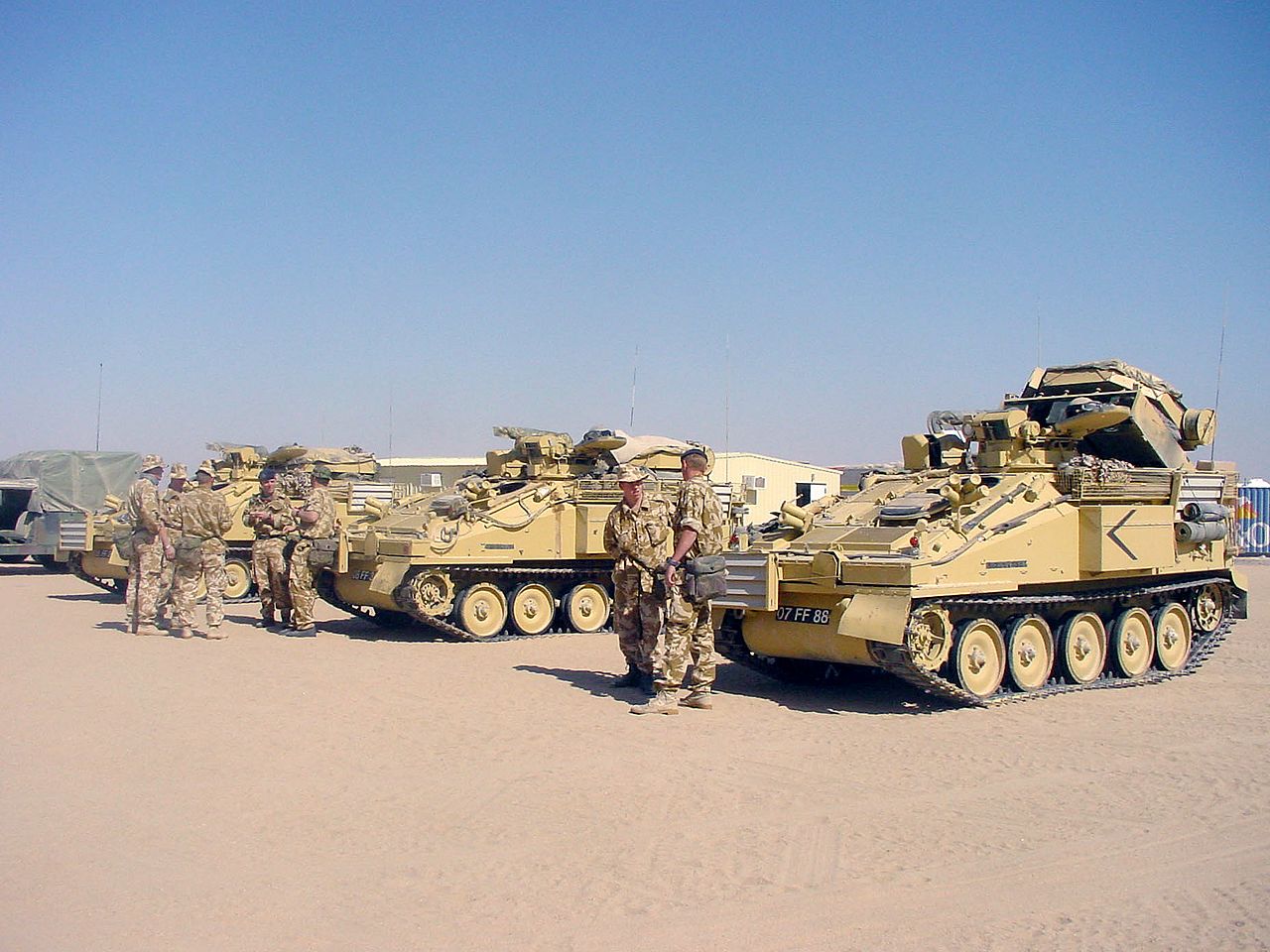
An APC is straight forward - it's simply an armoured troop ferry. APC's can usually hold more troops due to the lack of need for a major offensive armament, but usually have a small 7.62mm/.50 cal machine gun for basic defense. A pair of great examples are the M113 APC or the FV103 Spartan. APC's generally have upgrades later into their service life which re-purposes them into more offensive roles - for example, the Spartan is the chasis of the FV102 Striker & the M113 is the chasis for the M163 VADS
If you have any more questions, feel free to ask.
I don't think this is a history question mate.
Ok I am no expert here but I will try. An MBT or main battle tank is a heavily armored vehicle designed to fight and take return fire while using its heavy weapons to support other element and lead. An IFV or infantry fighting vehicle is a light to medium armored vehicle designed to carry men into combat and fight in the battle but usually not in the very front leading the advance like an MBT would. An APC is a lightly armored vehicle to be used as a battle taxi and not made for heavy fighting. It moves men and material to the edge of the battlefield but then drops them off. Now all three of these have weird cases like the Merkava and other oddities but usually these are the rules they follow.
This submission has been removed because it violates our '20-Year Rule'. To discourage off-topic discussions of current events, questions, answers and all other comments must be confined to events that happened 20 years ago or more.