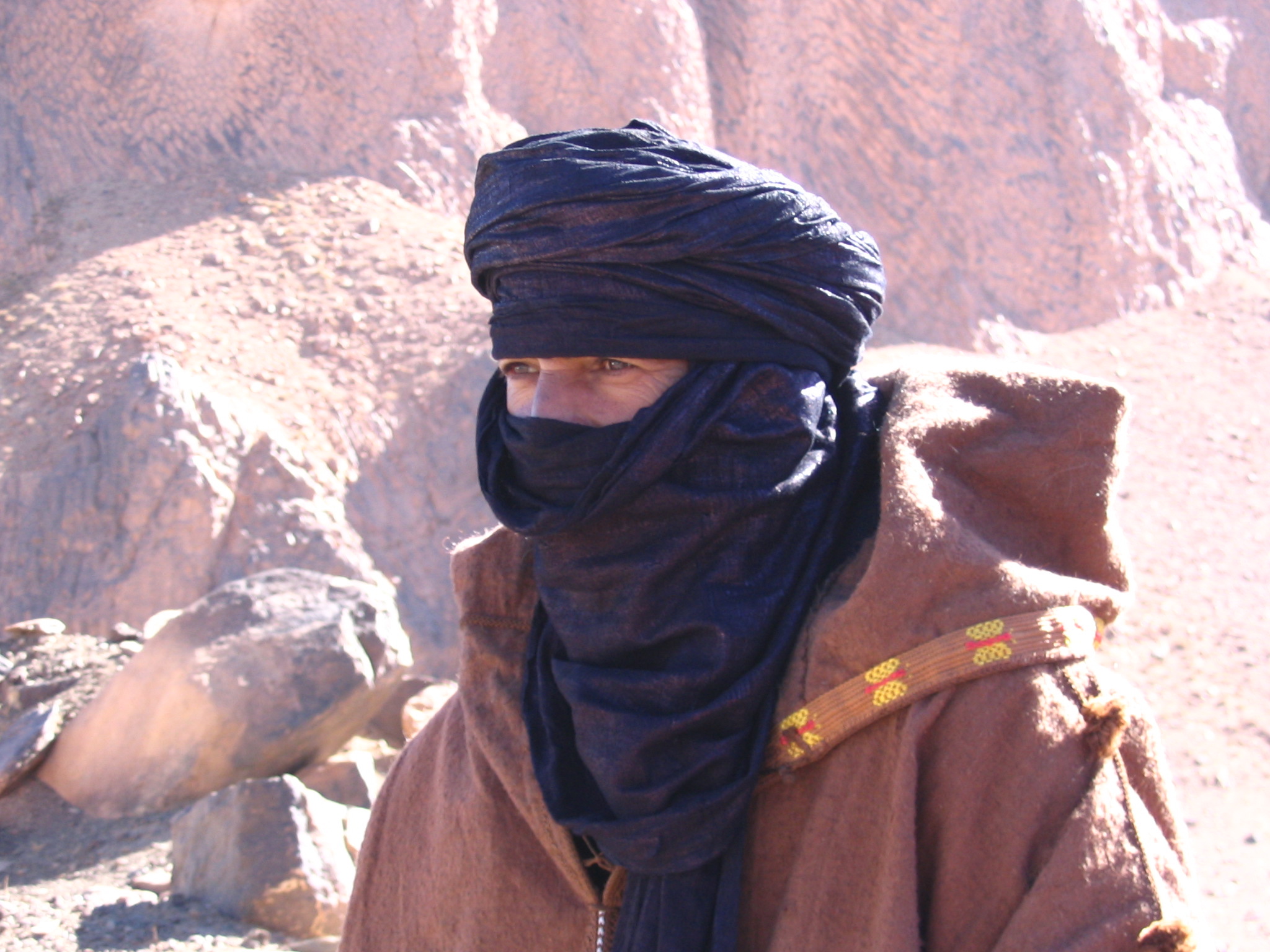
You are actually correct, it is interesting, from the book World Clothing and Fashion: An Encyclopedia of History, Culture, and Social Influence that I found on Google books, mentioned that Andalus and Maghreb(modern Morocco) were a bit liberal on the hijab side, until the rise of the Almohad 1212 C.E., who were more strict. I think I'm more skeptical because here me out, Andalus goes like this
Umayyad Caliphate/Empire from Damasucs -> Umayyad Emirate -> Umayyad Caliphate from Cordoba(smaller and better) -> first Taifa period (multiple Kingdoms going crazy) -> Amoravid (Berber Muslims from North Africa trying to help a brother out and were like NAH, and took all the Muslim lands in Andalus) -> Second taifa period -> Almohad (another Berber who thought the previous were less strict). These two Berber dynasties were very different that the Hispano Muslim, even Christians and Jews were hated. So I would wager that during the Almoravid period things became strict and kinda weird, even men were wearing veils.
Leila Ahmed's “Women and Gender in Islam: Historical Roots of a Modern Debate” would detail this far better than I could, and I don't know anything about the status of wealthy Muslim women and whether or not they wear hijabs/niqabs, but I can answer the pre-Islamic question to some extent.
Pre-Islamic society, referred to by Muslims as jahilia, meaning ignorant or ignorant-of-god in this context, was mostly Jewish, Christian, or Zoroastrian depending on which part of the middle east you were in. There are a lot of generalizations that the foundation of Islam actually caused women to be treated better, but there's not a lot of evidence of that. Early Islam didn't necessarily hinder women, but, it did restrict them in a few senses: They could no longer propose to a man for marriage, they could no longer have multiple husbands, they could no longer be the one to instigate a divorce unless it was extreme circumstances, and other things like that. How strictly these new rules were enforced changed depending on which of the 4 Sunni schools a family followed, or even if they were Shiite.
As for forms of veiling, they existed long before Islam did. Most of the changes that Islam brought to the Middle East were just variations of already long-held practices or traditions. If I remember correctly, the first mention of veiling was in very early AD years by elite Persian women, but, also probably had some roots in the geography of the area, not just the socioeconomics. A lot of the traditional garb worn in the Middle East serves to cool people down and protect them from the sun. I am not sure if this is true with women's dress, but know that it's the case for most menswear.
Again, to look further into it read these:
Leila Ahmed's "Women and Gender in Islam: Historical Roots of a Modern Debate"
and
Homa Hoodfar's “More Than Clothing: Veiling as an Adaptive Strategy.”
I'm sorry I couldn't help more!