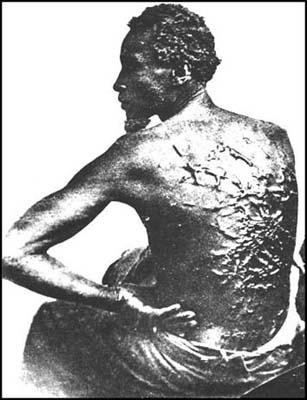
How correct is the portrayal we see in popular culture? Did slaves cost relatively a lot of money? Did it make sense to treat these human assets so harshly?
There is abundant evidence that maltreatment (whipping, and worse) of slaves was not uncommon, NSFW. However, whenever you see a movie like Django Unchained for example, you have to realize that whatever their historical motivations, the movie makers have to tell a story in 2 hours, and that violence and brutality are entertainment ... so they will make sure to pack everything needed to tell their story into those two hours, which will likely include enough abuse to cover a much longer period of time. This isn't unique to portrayal of slavery; almost every war movie is the same in that they overemphasize the amount of time spent in combat vs just sitting around. That's where the entertainment is.
Given the economic value of slaves (great article here; see figure 4), it's very unlikely that slaves were constantly beaten. As another article put it (paraphrasing), "there was a rapid and constant background negotiation between owners and slaves as to the least amount of work that the slaves could do without getting whipped, and the amount of whipping that was needed to get the required work done". Again, paraphrased.
This is not in any way an apologia for the brutality of slavery in the United States.
Towards the 1850's, Samuel Adolphus Cartwright, a physician from New Orleans, released a bunch of articles collectively named "Diseases and Peculiarities of the Negro Race" In it, he describes Drapetomania (aka the disease that causes "negros" to run away"). His two prescriptions for this disease was to either treat them with a firm respect, or to whip the devil out of them.
Cartwright also believed that these diseases helped describe the slaves' laziness, their desire to dance, and their desire to not be whipped (as if he had any more of a desire to be whipped).
It's still difficult to conceptualize for me, but slaves really were thought of as lesser beings, similar to animals, and beating them was how you kept them productive and on your land. They didn't think that treating them harshly would necessarily diminish their investment; they considered it the better alternative to losing their investment all together if the slave escaped of rebelled.