This may not be exactly what you are looking for. However, I have found a newspaper article chronicling the flight.
Here is one from the San Francisco Call from December 18, 1903.
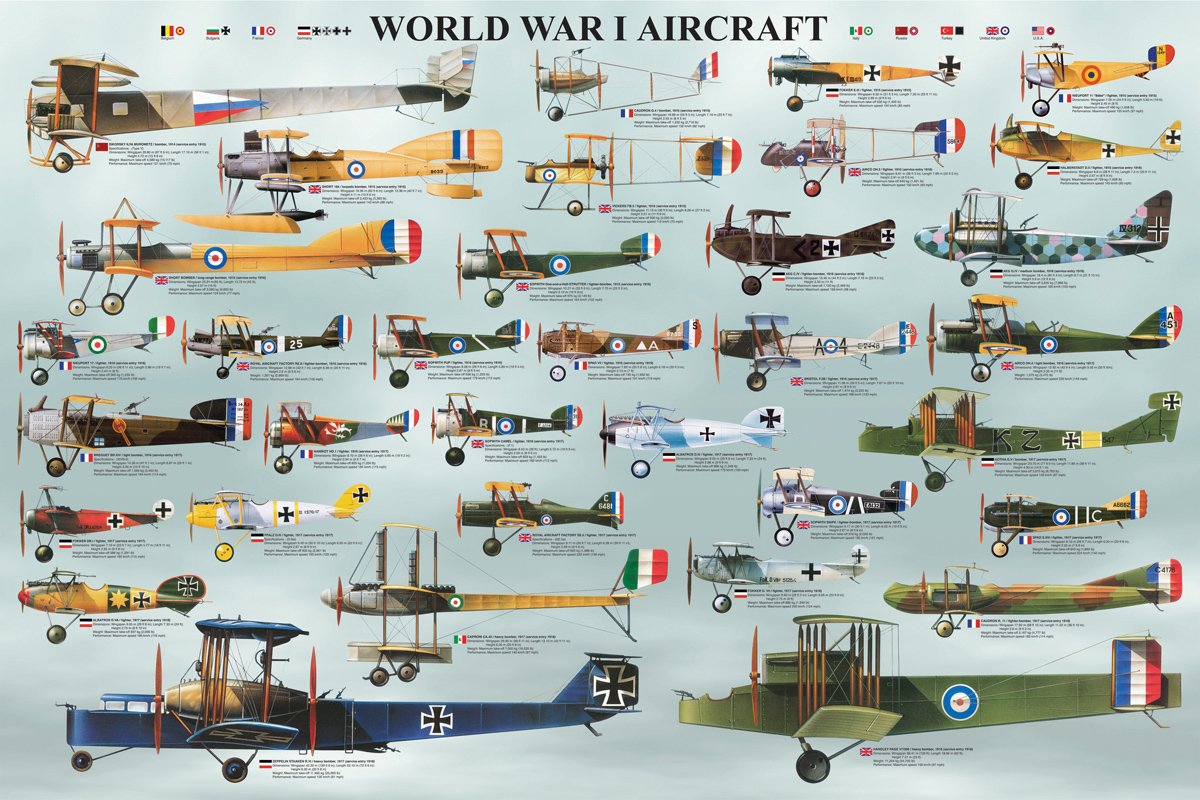
I know that the military's reaction was to weaponize the technology. In a relatively short amount of time we went from a handful of prototypes to all of these. Military production of aeroplanes began just before the outbreak of the WWI, meaning that in just under or just over a decade (depending on what you consider the first true aircraft) we went from the invention of human flight, to bombers and fighters. Granted, at the start of the war, the air was mostly filled with reconnaissance zeppelins (not the ones you might imagine from WWII, these instead were much less sophisticated and more or less just large balloons), a few light bombers, and even the occasional tethered balloon look out, which was basically a hot air balloon (except filled with a light gas instead of hot air) tied down and filled with a binocular carrying scout or two. The latter most technology had been around for awhile, and while it beat building a tower to get a good view of the battlefield, it wasn't really a weapons platform.
As an aside, when airplanes entered the fray they weren't immediately seen as useful, however. The old-brass were skeptic, and the relatively new discipline proved difficult to take advantage of. Airplanes were most effective as support for the military deployed on the ground, relaying troop movements, correcting artillery fire, deep recon, etc etc.
Outside of the military was a different story. The steam engine was the touchstone of locomotion in 1903, and then suddenly, people were taking to the sky. You can imagine how that effected the zeitgeist. Much in the way that the moon landing ushered in a time of rare optimism and belief in the capability of humanity, news of human flight did much of the same just on a smaller scale at first. Keep in mind, flight had existed before the Wright Brothers made their flying machine, it just wasn't nearly as effective. So it's not as if they invented flying, just non-balloon-aided human aviation. It takes a bit of qualifying. One of the best ways to take the temperature of how people at the time felt is by looking at a newspaper from the time period in question, as one of the other users was keen to do. After a bit more digging, looking at other newspapers, they all seem to tell the same story. That the reaction to the breakthrough was what we might consider underwhelming. Besides, like I said, human flight existing in some form or another already, this is also likely to be because people at the time couldn't understand the impact that flight would have. Speaking of the moon landing, that occurred just 66 years after that flying machine's famous test run. Humans began looking upward more, reaching higher. Yes the story got coverage, front page coverage a lot of the time. And while you might feel that the stories lack sensibility and enthusiasm, you might be doing two things. Projecting the liberties with sensationalism that contemporary journalist take back onto newspaper writers in 1903 -- you have to remember there wasn't as much fanfare in print journalism. And two, projecting our knowledge of the fundamental importance of the invention and its implications back to 1903, and finding the discussion wanting once more. So basically, yes it was a big deal for people at the time, it lifted spirits even though it was quickly militarized, but it just wasn't seen as big of a deal, or at least talked about as as big of a deal, as someone today might expect.