Why do most paintings before the very modern period not look lifelike? Surely artistic ability was capable of creating life-like paintings before the modern era. Obviously fads and schools of thought that emphasized certain traits and techniques were influential, but are there examples of "life-like" paintings that failed to gain popularity in say, Byzantine Venice, or Impressionist Paris?
hi! check out this section of the FAQ
if you have questions on locked posts, ask them here & include the user's username so they'll be autonotified
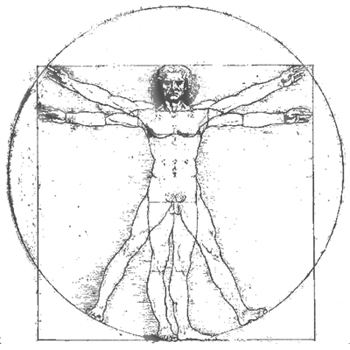
"Lifelike" painting is a technology, however obvious it seems to us today. During the renaissance, the mathematics behind it were (re)discovered. This meant understanding proportions (that's the point of the Vitruvian Man, he of one thousand mousepads), and vanishing points. Before that, painters didn't really have the ability to get things "accurate".
After the invention and widespread adoption of photography, paintings as records of what is right in front of the painter became less interesting, and the cutting-edge painters of Paris began to explore the ways in which paintings could represent things like their "impressions" of scenes. However, the vast majority of painters in Paris during that time were painting the classic, "salon" or "academic" style, which looks like this.
Does this answer your question? I have some but not a ton of training in the history of art so I can try to answer questions more fully.