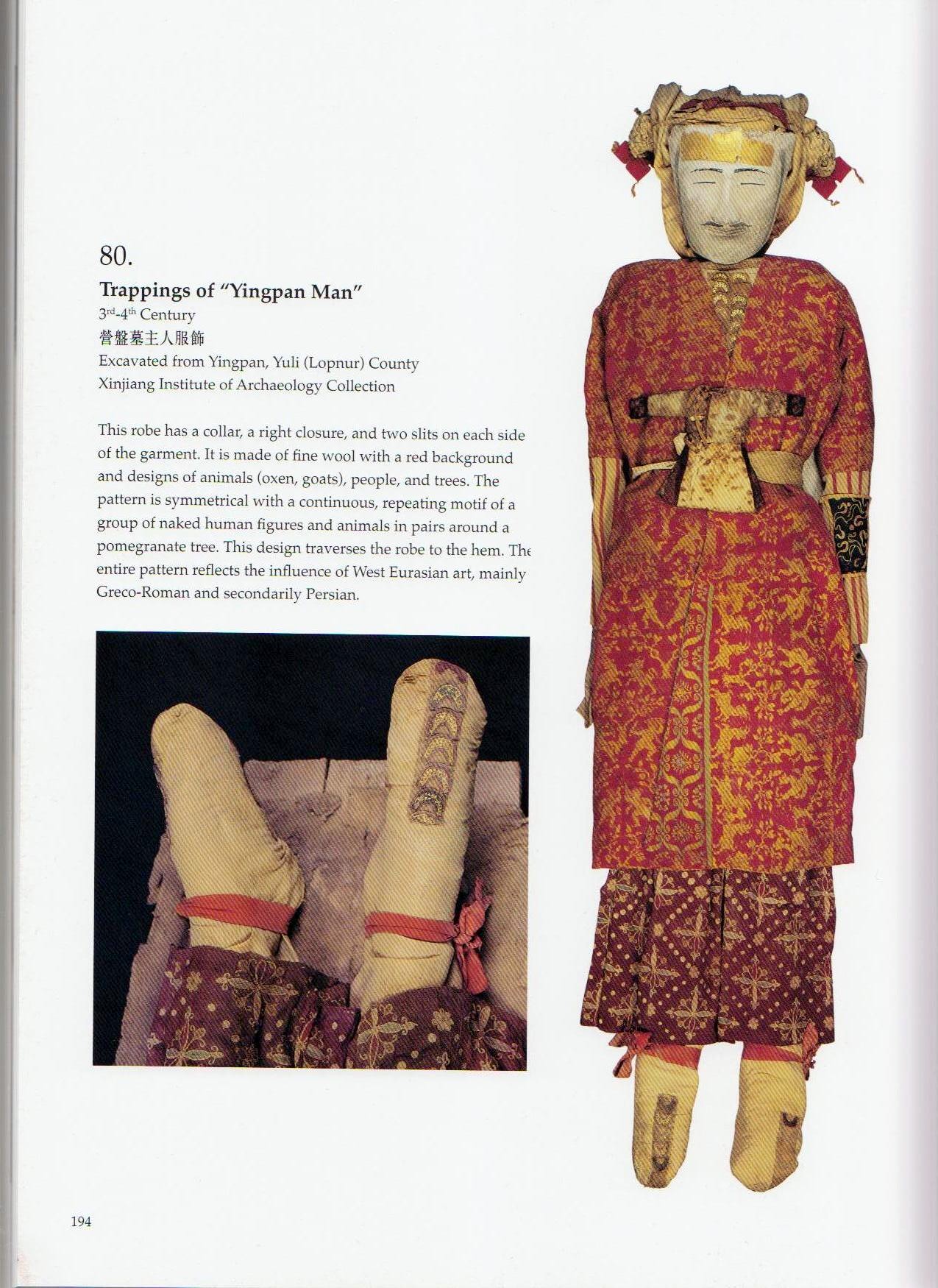
There's evidence of limited cross-cultural exchange between the Roman and Chinese imperial courts. There's also a plethora of evidence that attests the existence of the Silk Road, such as Hellenistic monarchs in Central Asia and a Chinese nobleman who was buried in Byzantine robes.
There's also plenty of evidence of Hellenistic traders and missionaries along the Red Sea/Indian Ocean trade route interacting with the city-state of Axum, located in modern Ethiopia. You have lots of Hellenistic monarchs and apparent cross-cultural exchange.
But these are just interactions at the frontiers.
The most vivid surviving example of how the Romans viewed the world is the Tabula Peutingeriana. It's a 15th century copy of a 5th century Late Roman map, presumably somewhat accurate to how the original appeared. The TP is hypothesized to have been hung in the court of an emperor or patrician as a symbolic expression of their support of the Roman imperial agenda. Here is an image, very HD and very cool. Try and see how many places you can identify! Fun LoC lecture about Roman maps and the TP, vaguely relevant
Otherwise, someone else will probably answer by paraphrasing all the nutty stuff that Strabo and Ptolemy wrote about in their geographies.