I stumbled across a video that shows how this instructor believes different sword and shield methods were used, namely the use of the buckler and the Viking shield. This let me down a rabbit hole into the depths of youtube videos and various sites that seemed to be poorly researched.
My question is fairly simple and somewhat broad: from the Fall of Rome until the early Renaissance, what were the common sword and more interesting to me, shield fighting techniques. I am aware that people grasped swords across the blade other fairly simple techniques but the subtle nuisances of different sword and shield types is lost on me. Thanks!
I actually do Viking Age live-steel fighting and have heard many arguments about what the "real" style of fighting was.
To start: There is not going to have a lot of good/solid answers between the Fall of Rome (in the Northern European regions this time period was called the Migration Period) and Early Middle Ages because there is not a ton of real textual evidence for how fighting was truly done with a shield and some type of hand weapon (axe, seax, sword) and the textual evidence we do have are through the sagas which are questionable since they were written down much later after the Viking Age.
Most of what you are finding is based off of interpretations of later Middle Age Sword Fechtbücher. In the video the guys are trained in fighting from the sword-fighting treatises I mentioned and are using logical interpretation to try and re-imagine how fighting one-on-one would have happened (as opposed to battle fights where the dynamics are different). But as one Viking Age fighting scholar, William Short, mentions on his site and what has been said to by him to my fighting friends: you can't entirely trust the Fechtbücher as they were written during a different context of warfare and fighting. On the other hand, Short depends a lot on the sagas as a source for his training videos and fighting instruction as well as for his book "Viking Weapons and Combat Techniques" which as I mentioned before risks telling fighting techniques that may also be out of context of the period.
All this said, fighting techniques without the infrastructure of writings and particular teachers would mean that styles could vary from area to even personal style meaning that there may be truths to what is said in the video and even what William Short teaches because in the end, fighting doesn't change too much. I know I watched the above video and it greatly improved how I fought in our groups demonstration holmgangs but also left out that some of the techniques they used expects that you are a righty fighting a righty (or lefty v. lefty) which is rarely the case thus styles and tactics need to change somewhat.
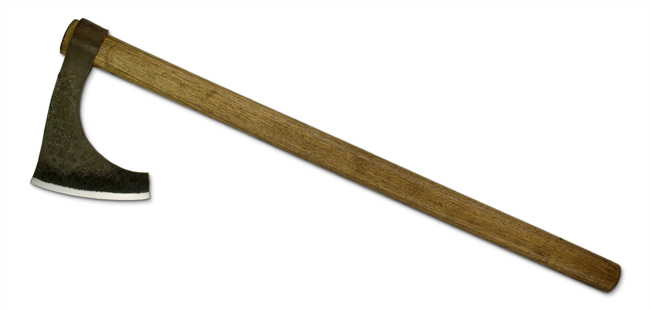
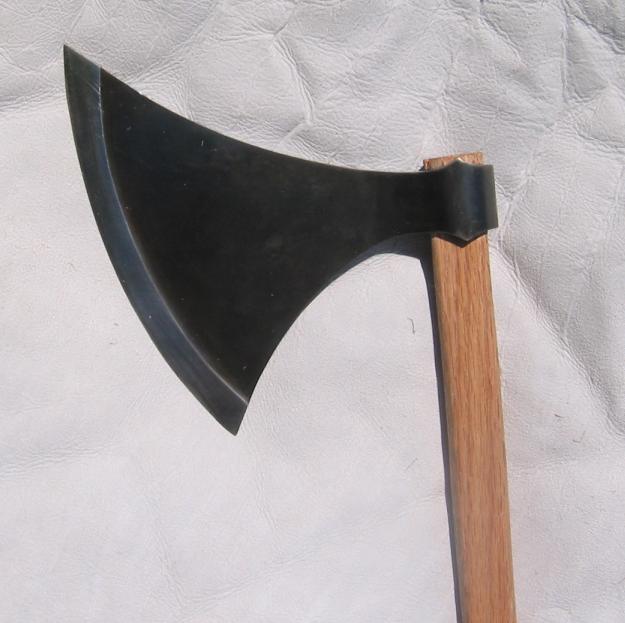
In terms of fighting in bigger battles, the use of the shield-wall and boar-snout are solidly evidenced. Essentially the shield-wall was made by creating a front line that had close-formation with shield over-lapping each other as to lock the wall. The strategy was to make openings with the hooked bottoms of bearded or dane-axes pulling open the wall so other fighters behind the shield-wall and begin stabbing into the opening with their spears (spears were the most common weapon, swords were the rarest). The point was to make wide openings in the wall to divide the line as to begin creating panic and thus turn the battle into one-on-one engagements. The (boar-snout)[http://www.vikingsonline.org.uk/images/wedge.jpg] was a good formation for creating a point to move in towards dividing a shield-wall but ran the risk of becoming open to flanking since the line narrows to create the point.
I have a manual for fighting for the UK reenactment group The Vikings which is strict about reenactment members adhering closely to what is believed to actually exist to the period as far as we know now but it is not something I want to upload and post on an open forum thus I could email it to you if you send a PM with your email address. Also while there are criticisms to William Short's research methodology for fighting, it is still the best we have considering the lack of resources for that period.
The simple answer, and this may not make it through askhistorians level scrutiny, is that we simply don't really know. We can look at the equipment that was used and try to deduce how it might have been used, but unfortunately for historians and enthusiasts no one seems to have written any teaching manuals for most of that time. Or at least none that survived until the present day.
![http://www.vikingsonline.org.uk/images/wedge.jpg]](http://www.vikingsonline.org.uk/images/wedge.jpg%5D)