Were there laws against public drunkenness or underage drinking? Could you go to the corner store and buy a bottle of Old Crow? Was the sale and consumption regulated? Thanks in advance for any answers. I'm sitting here doing shots while browsing this sub, and this question popped into my head.
Pre-prohibition is a long time frame, especially if we're talking about American history. I can only speak to beer in the specific pre-Prohibition days, but...
Beer gardens were extremely popular in the late 19th century and would be identified with the upper crust, while saloons would be identified with the "...era's masculinity, poverty, and corruption."
Schlitz Park is a good example of the excess of the time. It was located in Milwaukee, on the "ruins of Quintin's Park..." After the land purchase, the project costed $75,000. It was a very ambitious project, that included buildings, restaurants, lavatories, etc. "...hundreds of thousands of visitors..." went to Schlitz Park for dancing, polo matches, operas, orchestras, vaudeville, and skating in the winter.
The saloons, on the other hand, are described as "holes-in-the-wall...where the beer cost a nickel and the lunch, cigars, and companionship were free." There were 150,000 saloons in 1880 and almost 300,000 by 1900; in Milwaukee (pop. 120,000) there were 900 saloons. These were places for mostly working class Americans as a place to drink alcohol and to congregate after a long shift.
Saloons were heavily influenced by brewers. Saloonkeepers expected visits (with free drinks for patrons), decorations, free kegs at holidays, and frequently played the brewers off one another. The saloons only served one brand of beer and they expected the breweries to compete for their business. Obviously this led to corruption on the part of the breweries and the saloonowners.
Source: Ogle, Maureen. Ambitious Brew: The Story of American Beer
One big thing that most people don't know about Prohibition and business is that once repealed — the entire structure of the business changed.
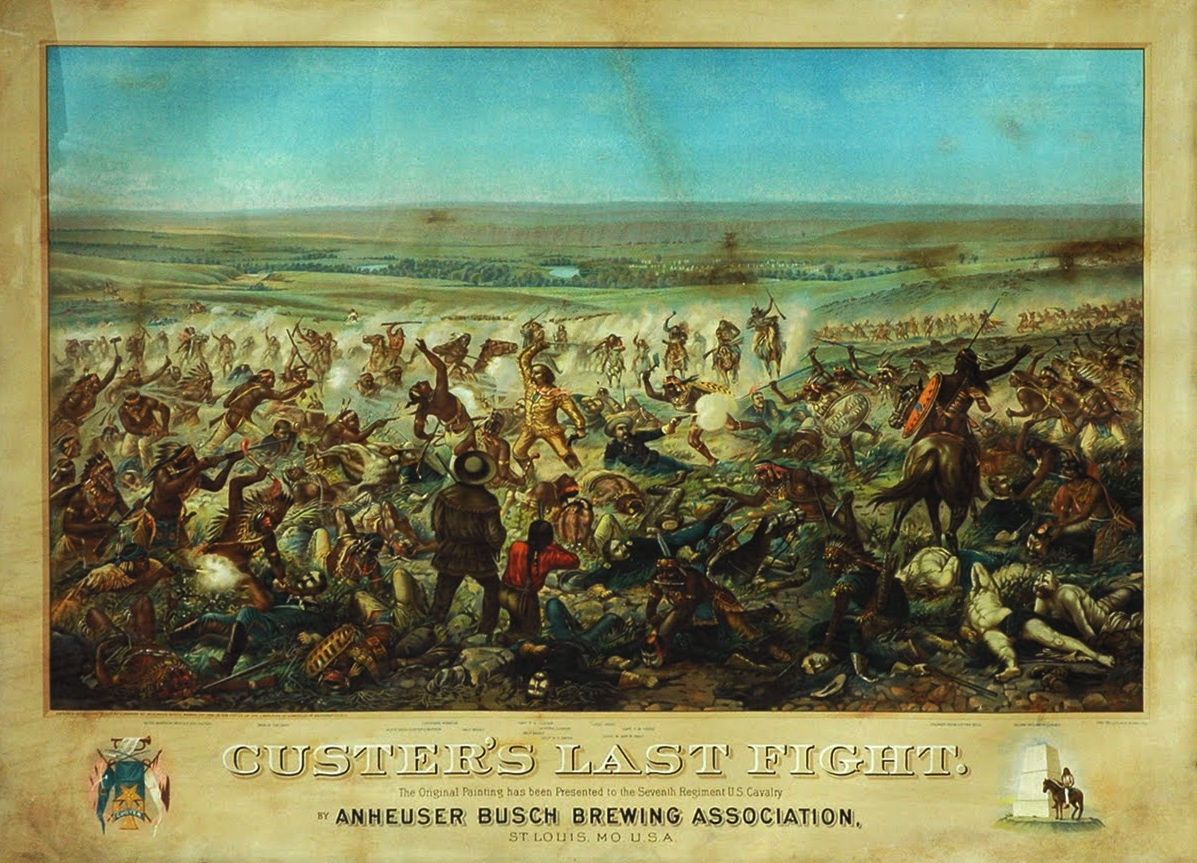
Prior to Prohibition, breweries could sell directly to consumers. In fact Budweiser owned bars on a scale that can only be compared to franchises such as 7-11 today. And people liked it — you had very cheap beer (direct to consumer) and the same quality of experience, many had the exact same painting as the original bar.
In addition to bars — breweries were in the hipster business of food trucks... er... beer trucks. Don't have time to walk into a Budweiser pub? You could buy beer directly from a big tanker truck on the street.
We now have what you call a 3 tier system. There are producers, there are distributers and there are consumers — and for the most part that exists everywhere except Washington. That's why you'll see literal "beverage warehouses" and then retail stores maybe called Consumer Beverage Supply. The former could never sell directly to the consumer.
Except where private interests get involved. So generally if you're a winery — you can sell directly from your estate, and maybe a set number of farmer markets of satellite places.
Edit: this is the painting, entitled Custer's Last Fight — which speaking to what others have said, over 1,000,000 were printed and distributed to bars, for free. So there were a lot of bars. Of course, the marjority were not owned by Budweiser.
And one other edit: the time period just prior to this painting in the 19th century was a really interesting moment in beer because it was the beneficiary of so much 19th century scientific research. If you go to Pasteur Institute in Paris you're see awards and gifts from a number of 19th Century European brewers such as . Why? Because of Pasteur's work in fermentation. Then you have early refrigeration and railroads for distribution as well as all of the lessons of the Industrial Revolution coming together.
This is a side question, but how much factor of anti German-American sentiment contributed to the establishment of Prohibition? Like beer halls and stuff.
Thanks for the answers!