A friend of mine tells me that every culture has a myth about the great flood that wipes out the entire world. To me it seems obvious that since they only had access to their local area, and since at some point throughout history most local areas will flood, we would have no way to tell if they were really talking about the same floods or not. If there was no great flood that wiped out the whole world, which he thinks happened when the Ice Age melted 10,000 years ago, I still think it would be likely that most cultures would come up with a flood myth.
But to start with does every culture, every major culture I suppose, have a flood myth?
Mark Isaak has collection about a gazillion flood stories. That is a lot, but not every country has one. Nor is there all that much similarity across the stories. Boats are common, but you expect boats in a flood story. Some destroy the world and we go to a new one, some just destroy the local area. Nor is there any way to somehow line up any timeline.
I suspect that your friend has a confused version of the Black Sea deluge hypothesis. Roughly speaking this says that an ice dam held the Med back from the Black Sea and then it flooded. People postultulated that this event led to the various Mesopotamian flood stories (including the Noahic flood). There are several problems with that hypothesis. First, better evidence says that the Black Sea did not flood catastrophically, but rather slow enough for people to move when it was a problem. Second there is no evidence for some mass migration from the area. And finally there is nothing special about the Mesopotamian flood stories that requires a special explanation.
As you said, since floods, tsunamis, and sea level changes are common place events, myths and legends concerning them are also commonplace. Additionally fossils of marine life are widespread on mountains, which can easily inspire people to hypothesize that the mountains were once underwater to explain how fish bones got all the way up there.
The set of flood myths in the eastern Mediterranean and western Asia (Greek Deucalion, Israelite Noah, Sumerian Utnapishtim, etc.) have several common motifs. Perhaps they're all derived from a common ancestral legend, or perhaps they all arose as independent legends that became more similar due to cultural cross-pollination.
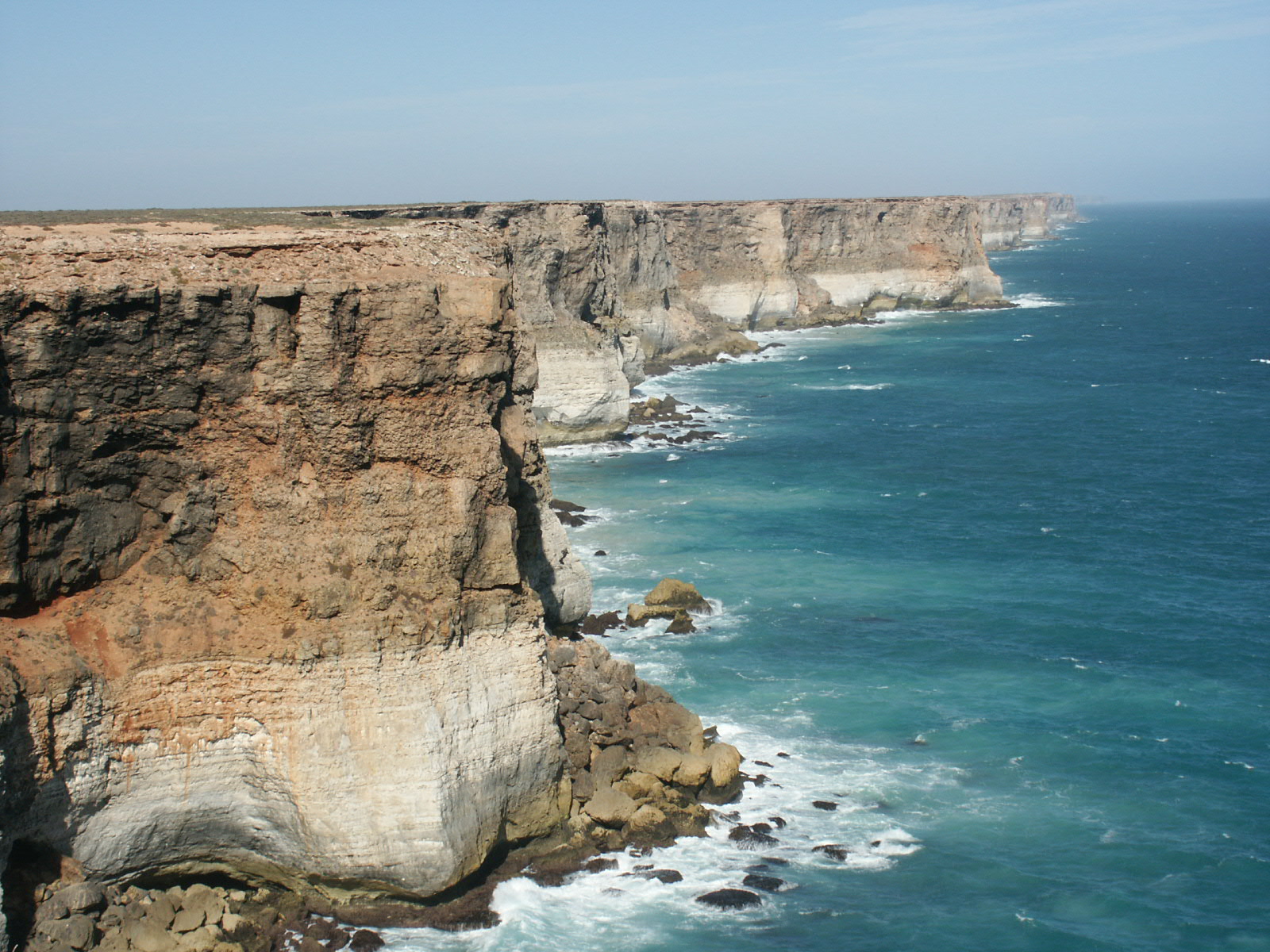
Outside this area, flood myths and legends can be quite diverse. A common Australian motif involves children upsetting the Rainbow Serpent in its oasis, who floods the world punishment. It's basically a "Water falls, everyone dies" story since there's rarely any mention of survivors. They're morality tales to discourage kids from playing in unfamiliar waters. The Desert Finch Dreaming in South Australia also describes a flood, as the sea swept over the southern plains until the Desert Finch Ancestors dove into the water in the thousand to build up a high wall (the cliffs that form the shore of the Great Australian Bight) to stop the water. This one may in fact be describing the post-Ice Age flooding of the southern continental shelf.
In a broad swath of eastern North America, a flooded world is the initial state, until Turtle offers to become the foundations of dry land prior to or during the arrival of humans. There's a few examples that alter this bit. In the Lenape version, Toad maliciously swallowed all the water. When he was injured in the fight to recover the water, it all poured out at once, flooding the world until Turtle becomes new land. In the Ojibwe version, the Gichi-manidoo floods the world to purify it, and humans have to be re-made by Nanabozho, again after Turtle becomes land. This is a rare example of the divine punishment motif in the area and may have been introduced through missionary contact.
For the Rapanui of Easter Island, the earth is still flooded. Their flood legend occurs sometime after the island was settled around 700 CE or perhaps a little earlier. Based on where it fits into the overall narrative of the islands history, it seems to correspond with to the time when changing weather patterns, the loss of the island's trees (needed to make voyaging canoes), and the abandonment of settlements on intervening islands cut the Rapanui off from the rest of the Polynesian world by the 1500s (interactions with the rest of Polynesia never seems to have been particularly common, but they didn't start really getting cut off until the 1200s). That the rest of the world had been drowned became the explanation for why the island was no longer visited by others, until the Tangata Hiva (Europeans, but literally "People of Distant Lands") finally showed up in the 1700s.