I've frequently seen medieval, Renaissance, and Early Modern paintings or illustrations depicting scenes from the lives of figures like Caesar or Alexander the Great that show ancient soldiers with anachronistic dress and equipment. Was this due to a stylistic choice or a lack of archaeological material? (Both? Neither?)
To answer your original question, yes, European painters, engravers and miniaturists (at least in the 15th and 16th centuries) were quite aware that Greek and Roman armour looked very little like the armour of the 15th and 16th centuries. (EDIT: we know this because they very frequently portrayed classical and biblical figures wearing different armour from contemporary figures). Take your second example. It includes a number of fantastical details such as scales, sculpting, quite fantastical helmets and a very odd bottom to Hector's greaves.
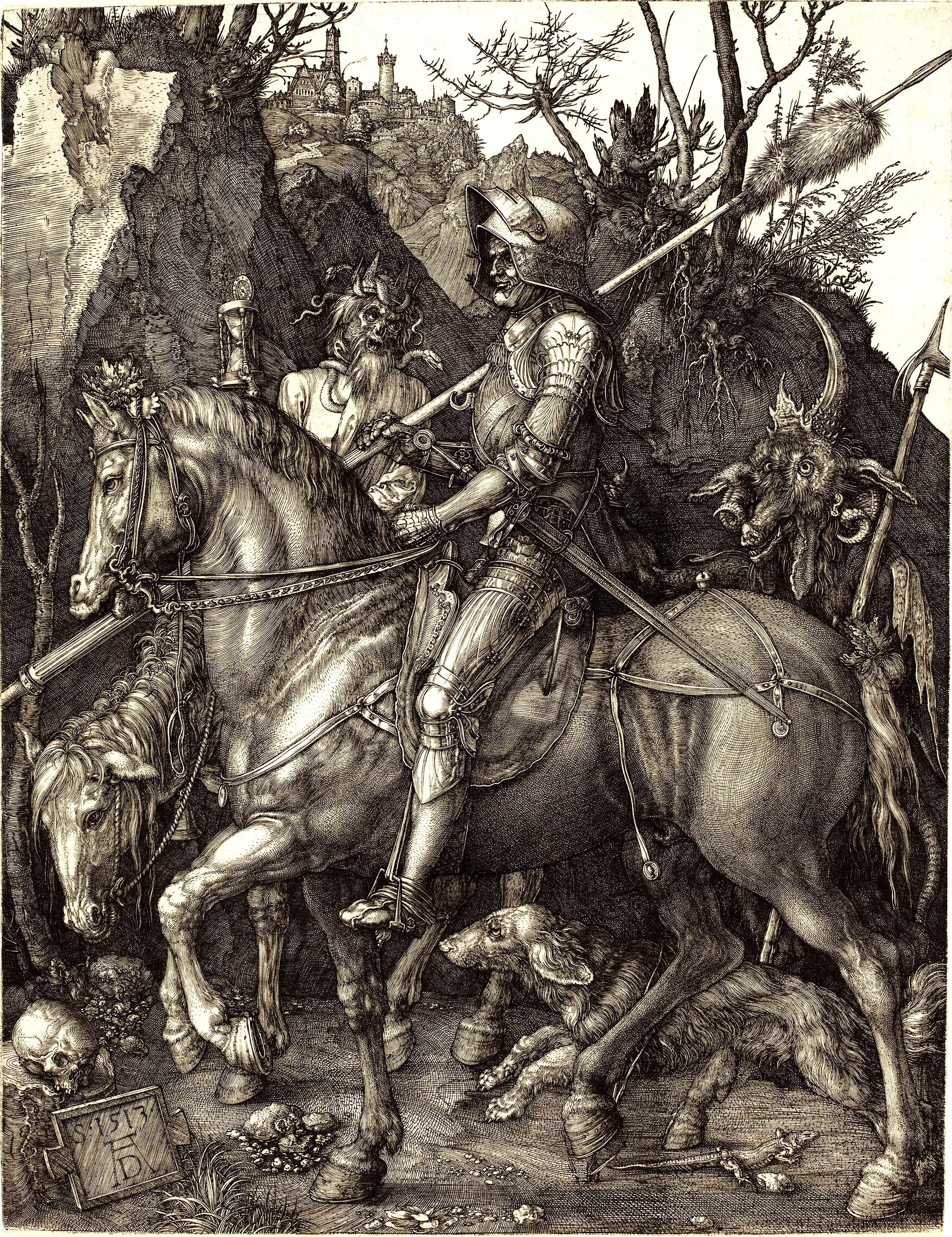
For contrast, here is Albrecht Durer'sportrayal of a roughly contemporary knight from 1513.
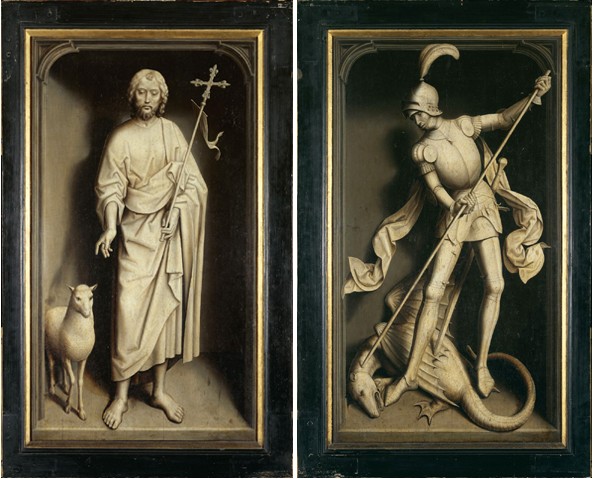
For historical or mythical or biblical portraits, artists would add details that 'looked old' or otherwise differentiated the subject from contemporaries(They do the something similar for portrayals of Turks, Moors, and Arabs). Confusingly, though, they did not always do this. Some types of subjects, like the martial saints Maurice and George, are most commonly shown in contemporary armour. The archangel Michael is shown both ways.
There are some particular 'antique' iconographic tropes used. One is ball Pauldrons (shoulder armour) with flaps, probably kind of a portrayal of pturges, such as you see here. Another is helmets that look a bit like the classical attic helmet.
As the Renaissance wears on, the armour of Romans and Greeks starts to look less like a fantastical Mish mash and more like our clichéd image of a Roman (from Ben Hur, say). Take this Rubens portrait of Ceasar, for example.
To conclude, they knew that it was -different- but were not concerned, or did not have the knowledge, to portray it accurately, at least not initially.