I have always wondered what the reason was that the United States retained the Spanish names of the former Mexican territory of the Southwest. Could they have kept the names for the "romance" of living in a city or town with a Spanish name? Or could the names have been kept since there was a significant population of people with Spanish descent living in the southwest.
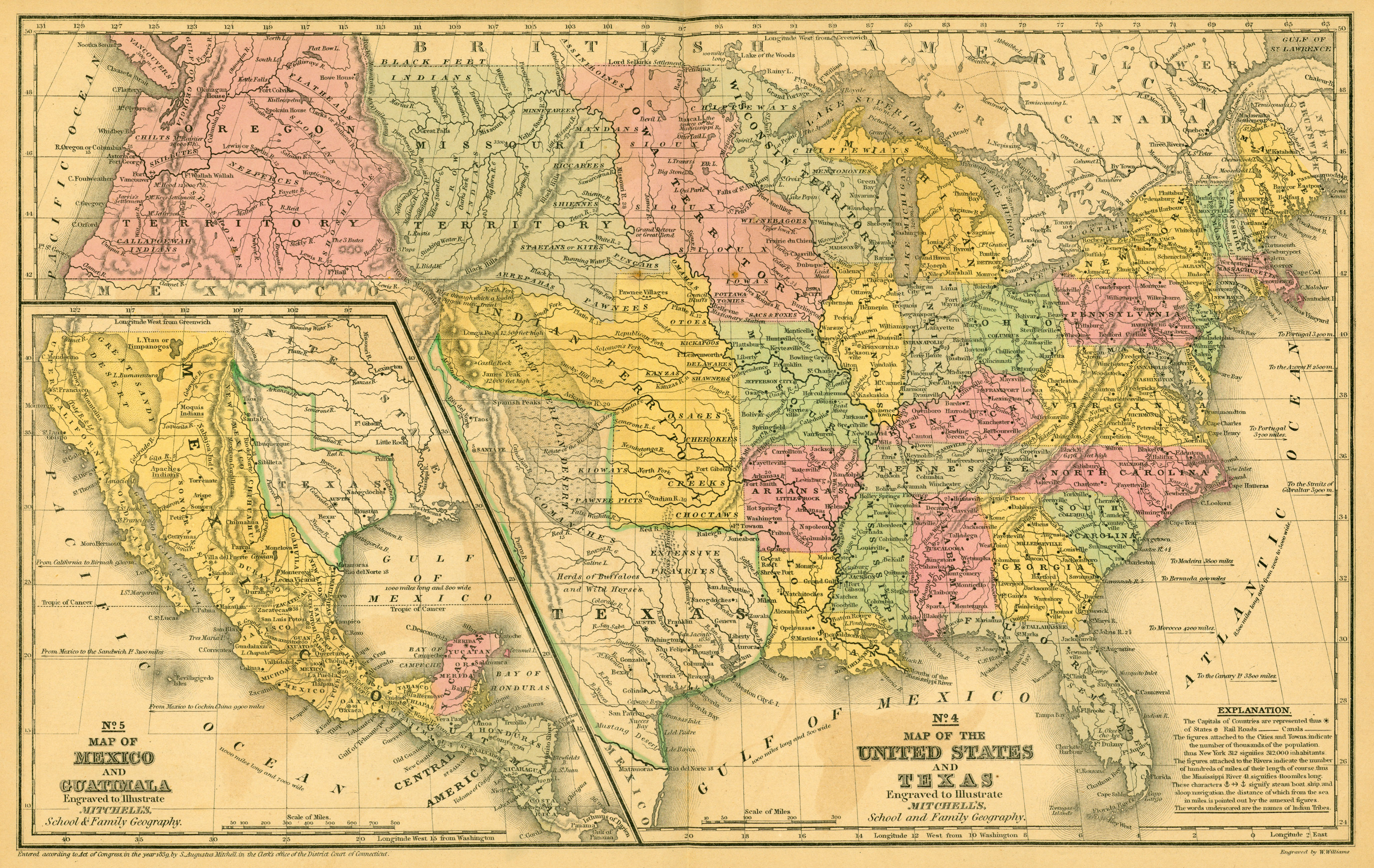
generally speaking, pre-existing towns or settlements weren't renamed, and san francisco is the exception. according to the 1847 ordinance changing the name of the town, "yerba buena" was renamed "san francisco" to prevent confusion. look, for instance, at this 1839 American map of the US and Mexico-- the settlement of yerba buena is mislabeled as "st. francisco," but the other dots on the map of california generally correlate with their modern names. see also this 1846 map, where most settlements (except for modern sacramento) have recognizable names-- and the settlement on san francisco bay is called "san francisco" by the cartographers rather than its proper name of "yerba buena."
there was no wholesale renaming. don't forget that a sizeable number of mexicans living in california flipped over to the american government during the mexican war. i'll turn it over to a previous post i made, detailing the chaotic conditions in mexico that led to californios going over to the american side:
Copy-pasted from a previous reply:
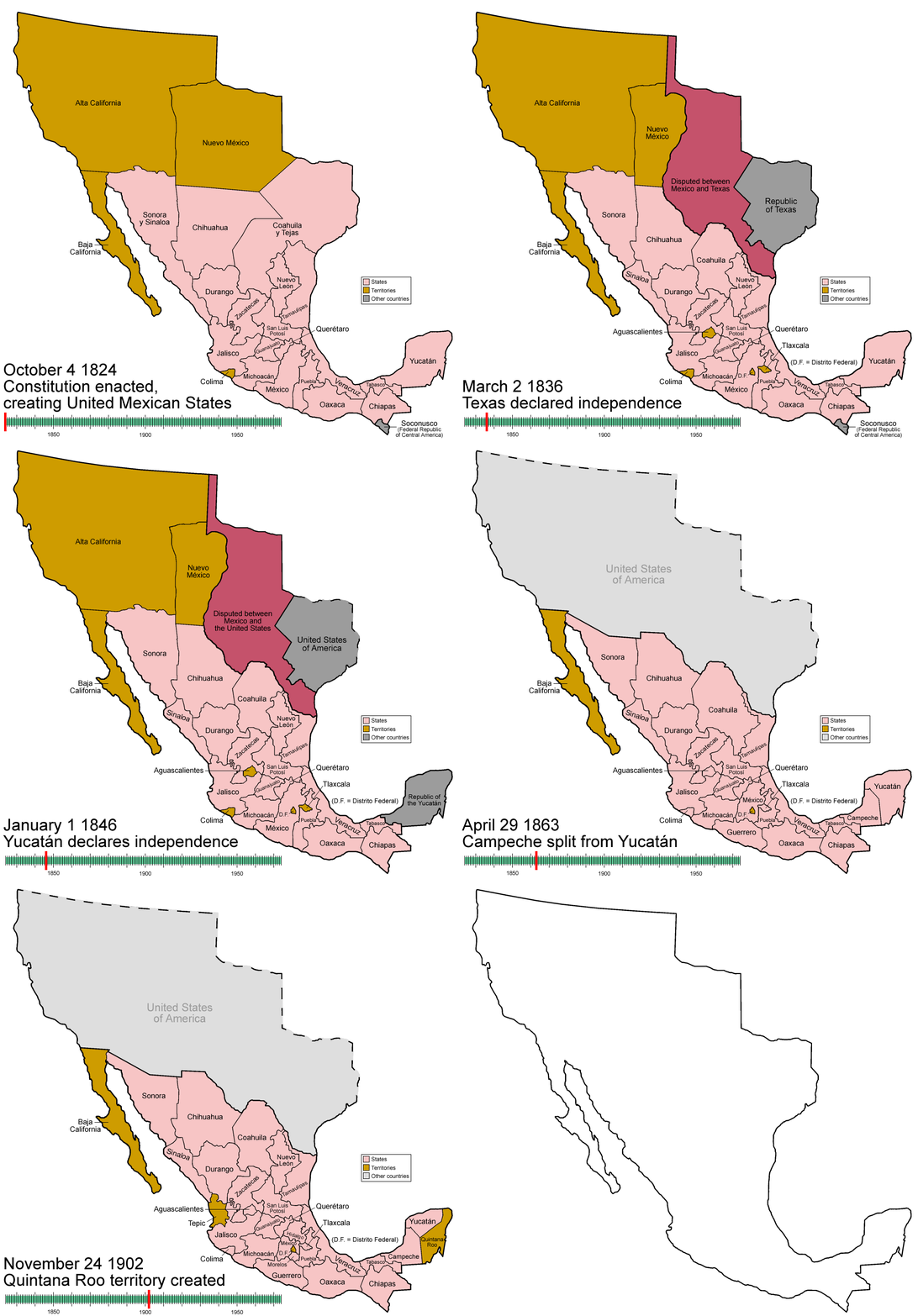
in addition to the internal warfare over control over the government, major portions of the country tried to secede. while the republic of the rio grande and the republic of yucatan never really got off the ground, texas managed to successfully beat back the mexican army and gained its independence in 1836.
california was not excluded from this political turmoil, and several mexican governors ended up getting being violently removed-- california governors micheltorena, gutierrez and victoria were all deposed by violent revolt. mexico was doing so badly at the time that multiple former mexican governors of california actually were in favor of being annexed by foreign powers. the relative stability brought by the americans was welcomed by a significant portion of californio society, including mariano vallejo, the richest man in california. many of the rest, like former mexican governors andres pico and pio pico, ended up staying on after the switch to american control and remaining prominent citizens. (andres pico, for instance, was elected to the california legislature and served in the state militia after the americans took over.)
given this chaos, and the defection of large numbers of the californio elite, it's not surprising that the names stayed in place. i have a handy table of the spanish, english, and modern names of the places marked, too, from north to south.
| Spanish name | English name (1846 map) | Modern city |
|---|---|---|
| Nueva Helvetia | New Helvetia | Overtaken by the adjacent City of Sacramento in the 1800s |
| Yerba Buena | San Francisco | San Francisco |
| Misión Santa Clara de Asís | Santa Clara | Santa Clara |
| Pueblo San José de Guadalupe | San Jose | San Jose |
| Monterey | Monterey | Monterey |
| Misión San Miguel Arcángel | San Miguel | San Miguel |
| Misión San Luis Obispo de Tolosa | San Luis Obispo | San Luis Obispo |
| Misión La Purísima Concepción | La Purissima | Lompoc (named after the local ranch rather than the mission) |
| Misión Santa Bárbara | Santa Barbara | Santa Barbara |
| Misión San Buenaventura | San Buenaventura | Ventura (but the official name is still San Buenaventura) |
| Misión San Fernando Rey de España | San Fernando | Mission Hills (neighborhood of Los Angeles); the City of San Fernando is less than a mile away |
| Pueblo de Nuestra Señora la Reina de los Ángeles del Río de Porciúncula | Pueblo de los Angelos | Los Angeles |
| Misión San Juan Capistrano | San Juan | San Juan Capistrano |
| Misión San Luis Rey de Francia | San Luis | Oceanside (mission seized by the U.S. Army until 1865 and fell into disuse) |
| Misión San Diego de Alcalá | San Diego | San Diego |