The contemporary gendered "pocket gap" occurs in cheap clothes and in styles of clothes that can't accommodate pockets. Tight pants tend not to have large pockets because they're tight. Similarly you can't put a side pocket in a pencil skirt without ruining the line of the garment. There isn't enough ease in the hips. Some cheap clothes also skip pockets for cost saving. It's faster and thus cheaper to run one straight side seam on a skirt than it is to cut a pocket, attach to each side, line them up, sew a curved seam around the pockets, and finish.
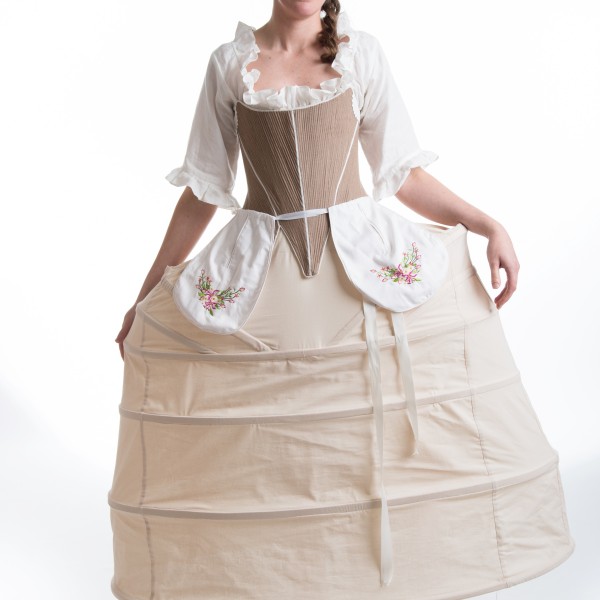
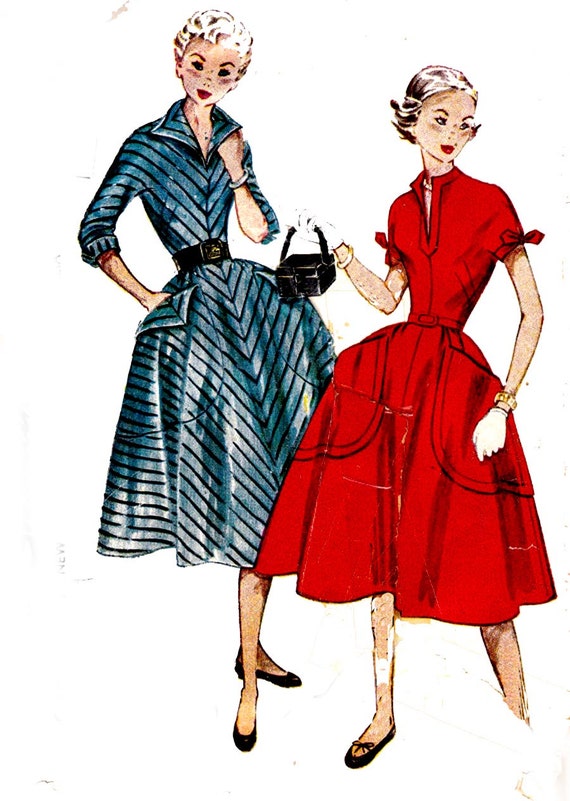
Women's jackets, coats, and other utilitarian items of clothing have functional pockets. If you buy styles of dresses that can accommodate pockets (i.e. fit and flare, with a gathered full skirt) they often will have real, functional side seam pockets if you aren't buying the cheapest brands. (My full-skirted wedding dress even had big side seam pockets.) In past centuries, women wore separate pockets accessible via a slit in their skirt, like these reproduction late 18th century pockets, and you'll see side seam or patch pockets in a lot of 20th century vintage clothing that isn't cut too tight for pockets. Really big pockets were quite popular in the 1950s. There are some amusingly huge pockets in designs of that era.
I'm not certain how far this goes back, but at least in the 18th century it was common for women to wear separate roughly purse-sized pockets tied around the waist underneath the top petticoat, accessible through slits in the petticoat; these could be made of plain fabric, embroidered fabric, or patchwork. (Here's a collection of extant pockets from digitized museum collections, and here are some textual references.) In the 1790s, waistlines rose, and as skirts became narrower and more filmy, it became more difficult to conceal a pocket, and after 1800 you really don't see pocket slits in fashionable gowns, although there's evidence of them continuing in more prosaic dress. Instead, women carried roughly pocket-sized bags (often called "ridicules" or "reticules") in their hands.
Pockets did come back into women's dress once skirts filled out again and the waist dropped - by the middle of the century, it's fairly common to see pockets made of a lining fabric or cheap printed cotton actually sewn into the dress. This continues to the first decade of the 20th century, when they stop being common again. By the 1920s, you really don't tend to see them, perhaps because dresses had lost so much structure and were often made of flimsy materials, even for ordinary day dress. And again, they come back by the 1950s.
Pockets are not historically rare or useless until we hit the twenty-year-rule, unfortunately for the discussion. With full skirts, they're very easy to have without spoiling the line of the dress. In periods when women's clothing is narrow, they drop out of use.