I mean, its basically a giant slow movimg baloon that can go POP! Real quick in actual war
Im sure its not literally made from balion material but its probly nothing more than hard leather and i dont see how that will hold vs bullets
You bet! Not discouraging any of the military/aviation experts from jumping in here, but check out these posts, which have some great info on blimps generally, and in warfare specifically
How was the Zeppelin ever considered a viable weapon? - some quick context for your question
The lost history of dirigibles - deep dive: see the multi-part post by /u/jberd45
How were Airships/Blimps used by military's? - /u/DBHT14 talks about blimps in the US Navy
How were zeppllins used in ww1 and early ww2 and what were they used for - /u/MeneMeneTekelUpharsi on WWI and II
Are there any examples of airship-to-airship combat? If not, how close did they come to engaging each other? - a long thread featuring /u/ArchitectOfFate
What was the effectiveness of the airship bombing of England during WWI? - blimps on the attack
as you suspected, they did get shot down
How many Zeppelins were really shot down in WWI? - featuring /u/SlothOfDoom
In WWI what was the strategy used by pilots to take down enemy zeppelin? - featuring /u/Bigglesworth_
the end of blimps in war
Most (all?) of these posts have been archived by now, so if you have followup questions for any users, just ask them here & include their username to notify them
First, it's worth noting that "blimp" is a specific term, and it doesn't apply to all forms of lighter-than-air machines.
A blimp is:
Lighter-than-air: meaning, it flies thanks to being filled with the lifting gases hydrogen or helium.
An airship: meaning, it can propel and maneuver itself with propellers, independent of the wind or tethers.
Non-rigid: meaning, the "envelope" or balloon itself has no rigid structure, and only gains its shape when inflated.
This excludes various forms of lighter-than-air aircraft which were used in war, namely:
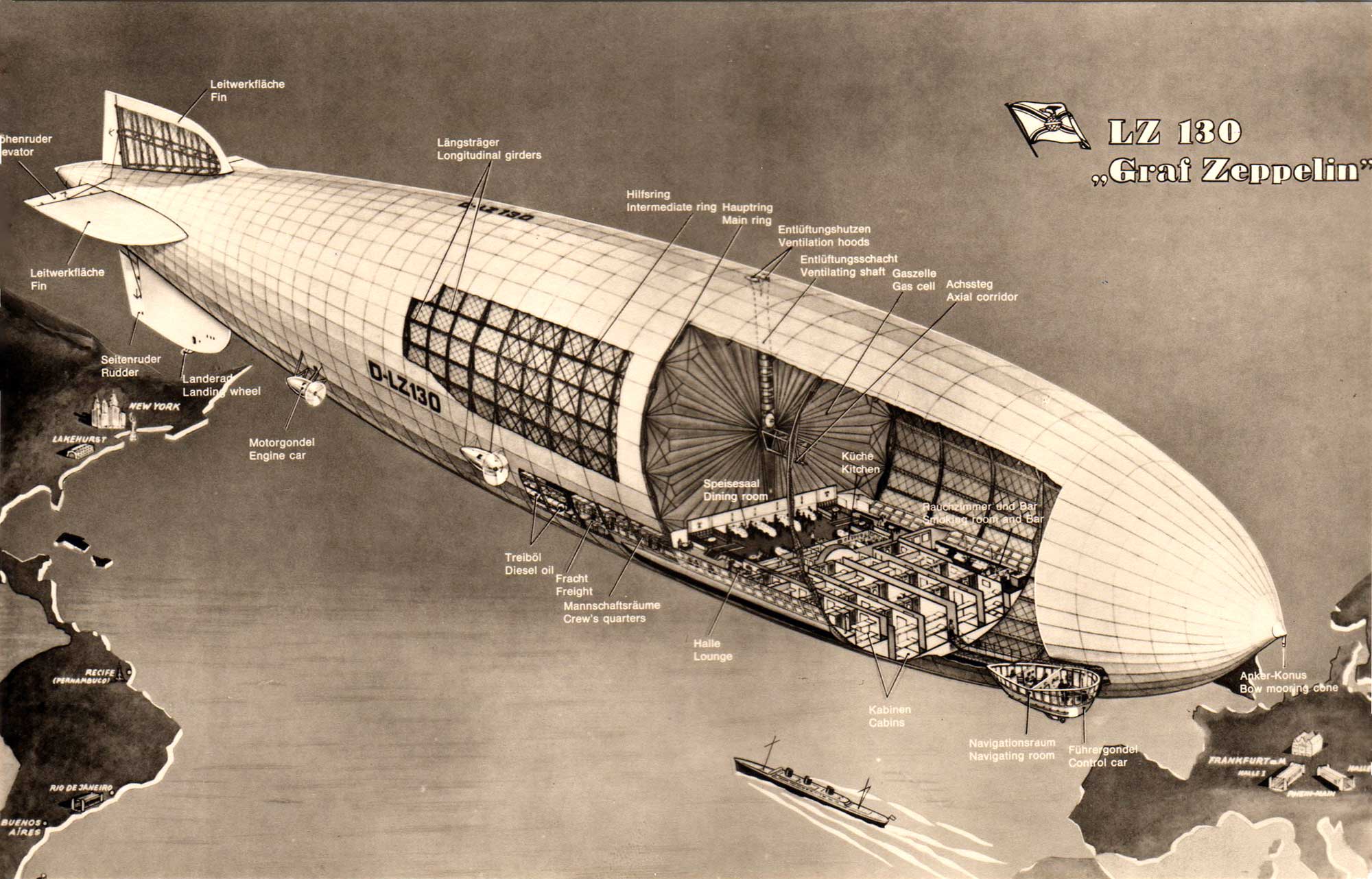
Zeppelins: these are rigid - they had a metal skeleton that contained several gas bags, as seen in this nice cutaway.
Tethered observation/spotting balloons: these might look like blimps, but they were tethered to the ground.
Barrage balloons: these also look like blimps, and were frequently called blimps, but are also tethered to the ground.
So, first, lets deal with blimps themselves. Were "proper" blimps ever used in time of war? The answer is yes. The Royal Navy and US Navy were a prolific user of blimps, such as the SS-class, SSZ-class, and B-class. These blimps were used to help escort convoys across the Atlantic by spotting U-Boats from the air. As such, it was unlikely to come under any form of attack - WWI U-Boats tended not to have significant anti-aircraft ability.
During WWII, that duty was mostly taken over by heavier-than-air aircraft.
Lighter-than-air non-blimps, of the various sorts I mentioned beforehand, were also used extensively in war. Spotting balloons were first used at the Battle of Fleurus in 1794, as seen in this artwork. They were used extensively during the 19th century in conflicts like the American Civil War and the Franco-Prussian War.
As one would imagine, anti-aircraft weaponry was not really developed at that point in history, so observation balloons were safer from being shot at. These balloons were filled with hydrogen or helium, and held in place by a tether to the ground.
During WWI, tethered observation balloons were still used for artillery spotting, and were indeed attacked, mainly by enemy aircraft. Pilots who went after observation balloons were known as "balloon busters."
Whilst shooting up a balloon full of holes sounds easy enough, balloon busting was not an easy task. Actually putting enough holes in the envelope to make it go down is not really that simple - these envelopes (which were fabric, not leather) don't go "pop" like a regular party balloon, a bullet will generally just pass through them, making two small holes that lead to a slow leak. And given the importance of observation balloons, they were defended by ground-based machine guns and fighter patrols.
Barrage balloons look similar to observation balloons, but instead of having a person in them, they simply were unmanned balloons that were tethered to the ground, with several cables hanging from them. The purpose of barrage balloons was to defend against low-flying aircraft - a low-flying pilot would have to maneuver carefully as to not hit those hanging cables.
Zeppelins are probably the most famous sort of lighter-than-air machine used in war. The Germans used them for the purpose of strategic bombing - most famously against London - during WWI. Once again, these Zeppelins proved harder to shoot down than one might imagine. A Zeppelin, as mentioned, has a rigid structure that contains multiple gas bags, meaning that a few small leaks caused by bullet holes won't bring them down. Also, whilst hydrogen is notoriously flammable, machine gun bullets tended to not ignite the hydrogen. As the RAF developed better incendiary ammunition for their aircraft, Zeppelins did begin to take more losses from fighters.
By WWII - or really, by the end of WWI - heavier-than-air bombers had taken over the role of strategic bombing from Zeppelins. WWII-era anti-aircraft artillery would have made quick work of them.
However, the venerable old observation balloon - the earliest sort of aviation used in combat - never entirely left military service. A tethered surveillance balloon gives a military base a much farther range of vision than any guard tower can provide, and can remain in the air longer than a drone. As a result, they are still in use today (they have been used extensively in Afghanistan, for example).