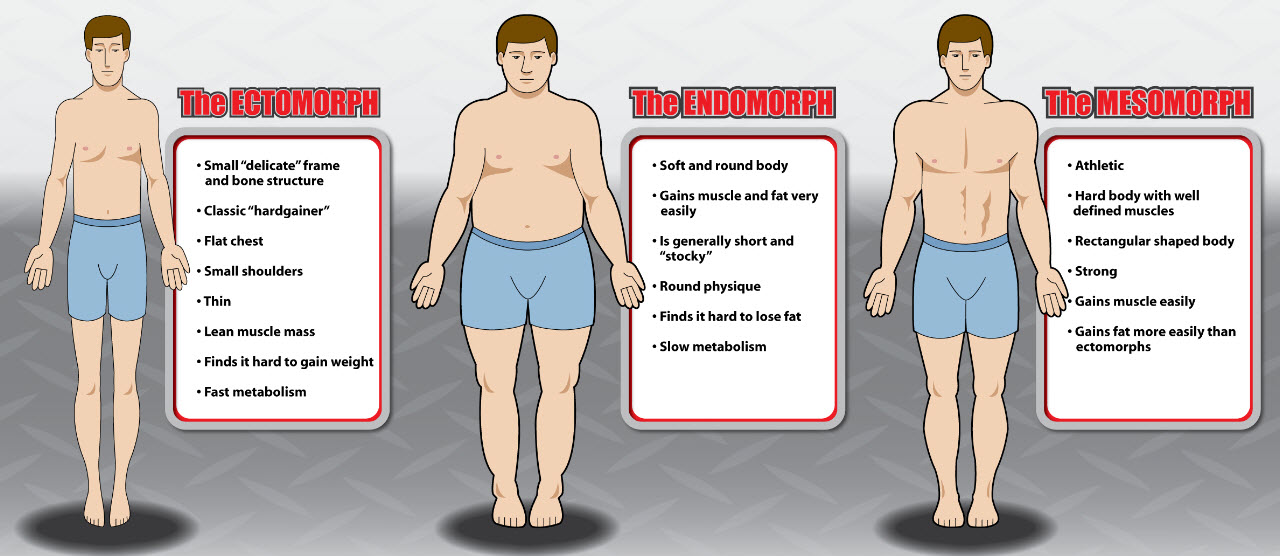
This has been an ongoing discussion among my friends, as we are all of very different body types and are curious on the historical significance of such. We believe that other factors mattered more when deciding a combat role (social status, skill, experience, economic status, geographical location, ect) but all of those factors aside, how much would body type play into assignment of weapon/role?
I am asking for both tall and short ectomorphs, mesomorphs, and endomorphs during the 11th to 14th centuries.
Let me know if I need to include any other information or reformat this post! Thanks!
Unless physically incapable of participating in combat (like being too sick, old, or injured), body types would not be taken into account at all in equipping a medieval soldier. Assuming that he went to war at all, a man born into a family that could afford the equipment of a man-at-arms would fight as a man-at-arms. Economic status and location were by far the most important factor in determining what kind gear a soldier would obtain. Body type wouldn't even be considered, especially not to the degree of determining who was a mesomorph or whatever. Medieval armies were not like armies today, where there is a sophisticated centralized bureaucracy to determine what role a soldier will fill. A 14th century Englishman would not sign up for "the army" and then be assigned a unit. He would most likely sign a contract with some smaller group (a lord's household, a private company of archers, etc.) and show up equipped as specified in his contract. I don't believe that members of the militia signed formal contracts, but their equipment would also be determined beforehand (and inspected at annual musters). The specifications of his contract, whether he arrived as a mounter archer or a man-at-arms, would depend largely on his economic background. A more experienced soldier might have nicer gear than a newbie, but he wouldn't be fundamentally that different unless he had been successful enough in his career to significantly advance his economic standing. In England, the line between the most wealthy archers and the poorest men-at-arms, for example, could be quite blurred by the later stages of the Hundred Years War.