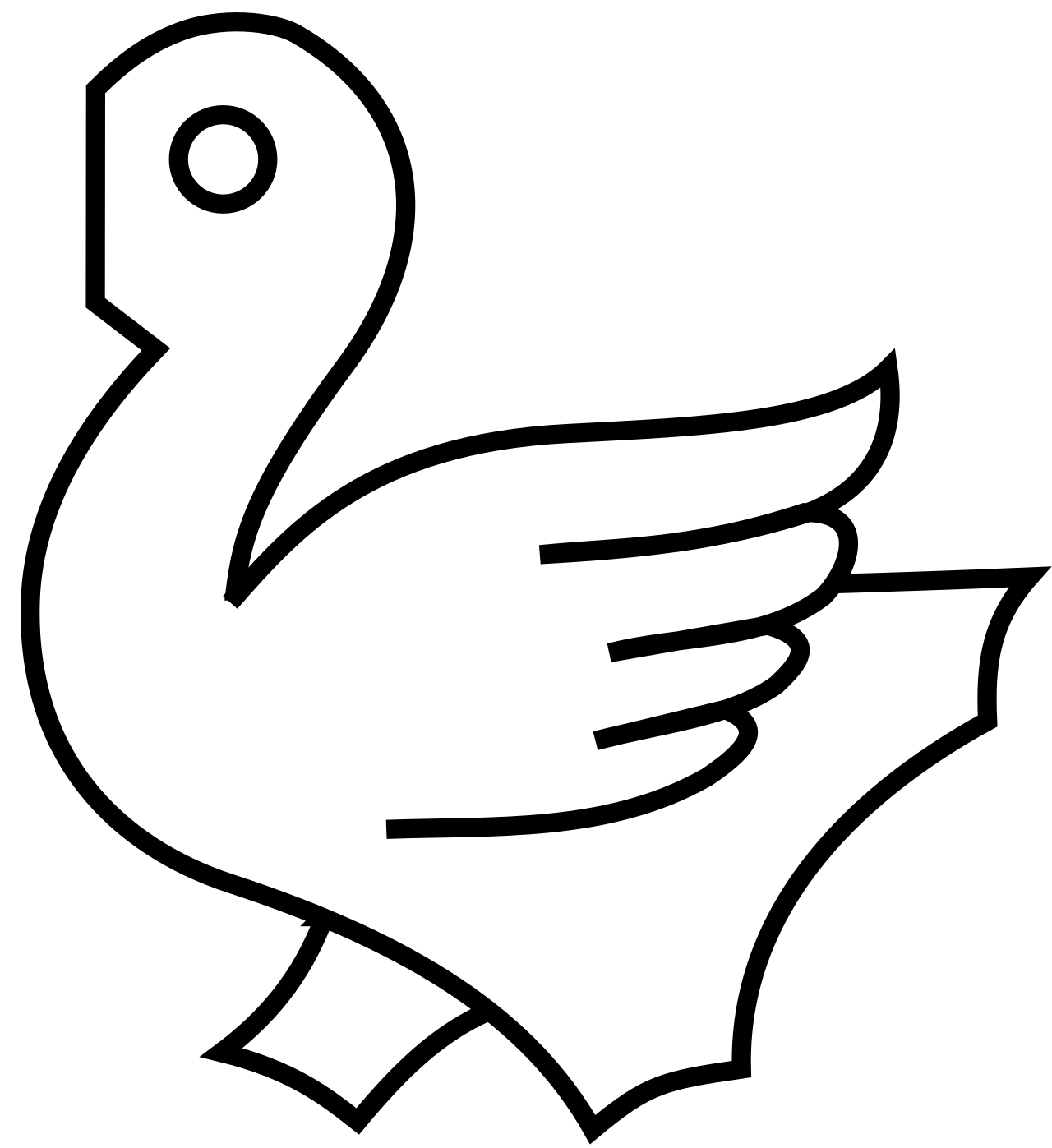
I am not sure how common such elements were historically, but some cursory research has led me to discover the "alerion" and "merlette", which I believe are charges representing an eagle and a duck, respectively, without a beak and legs.
I find this quite unusual. Is there an example of some kind of rationale for using such devices in the historical record?
May want to ask on r/heraldry, they may be better equipped to answer.
The archetypical bird with bits missing is the "martlet", or here (a Society for Creative Anachronism site, so there's medieval info along with current SCA practice). A standard birdy-type bird, "with thighs but no visible legs.". It was the standard mark of heraldic difference for the fourth son in the English system (to the extent that it was followed). You can use Parker to look up other examples, but I have seen few examples of other bits missing bits. He mentions Allerions in the arms of Lorraine. "Merlette" is another term for "martlet" (one that I've never seen before).
As for "why", I don't know and I suspect nobody knows. Lots of "why" questions about history don't get answered.