This picture of a "Street gang from 1916" is on the frontpage of the pics subreddit right now. They're definitely scruffy but it seems they do care about "gentlemanly" appearance to an extent. Some are in ties, some have buttoned overcoats and laced boots.
This made me think, all the gang pictures I've seen from the early and mid 1900s show people who are kind of well dressed. Like the Mafia has a reputation of dressing up in buttoned shirts, suits, etc, even while conducting their dirty business.
Transitioning to the 1980s and 1990s, the stereotypical image of a gang seems to have changed to someone who's dressed sloppier. Like jeans, baggy t-shirts, etc. (Not trying to be racist: I'm referring to gangs of all ethnicities.)
Is this confirmation bias on my part or did American gangs in the early 1900s emphasize good looks and respectable clothing? Why would they care about that?
To be honest, I'm not really seeing anything "gentlemanly" about that picture. Their clothes are dirty, their shirts are unbuttoned, their jackets are over-sized, their ties aren't properly tied etc. Compare them to menswear illustrations from around the same time and they look very obviously "low class" relatively.
As u/Hk37 said, what makes them look "gentlemanly" to you is likely because as somebody who lives in the 21st century you see suits and ties etc. as being elements of "formal" or "respectable" clothing. But for somebody living in an urban environment in 1916 when wearing a jacket and cap was the fashion norm for men, that isn't really the case.
That definitely isn't to say that gang members never value "good looks and respectable clothing", but what that means to gang members is extremely relative to their own culture and the period in which they live. What somebody who lives in a neighborhood with gangs present considers to be fashionable is not likely to be the same as what an upper class person in a different part of town is going to consider fashionable.
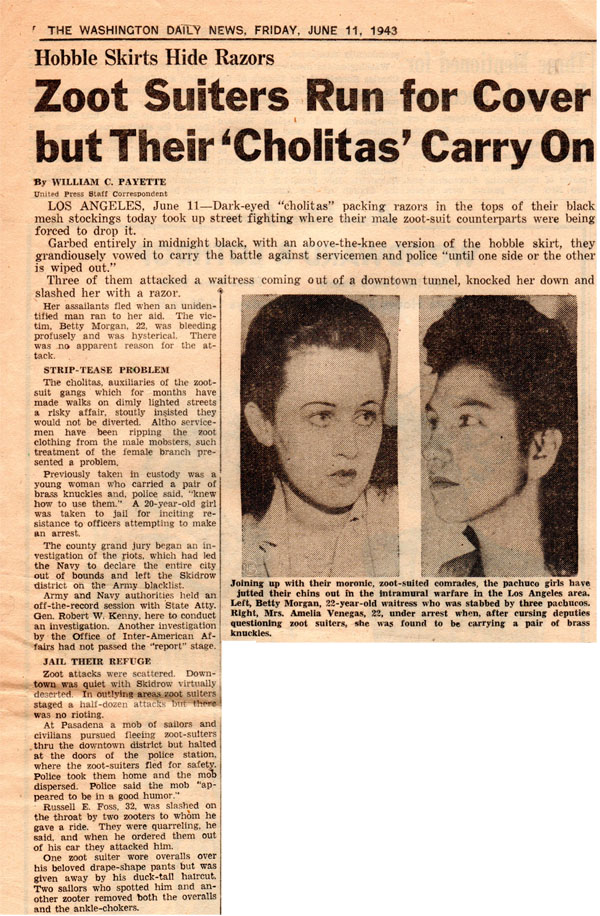
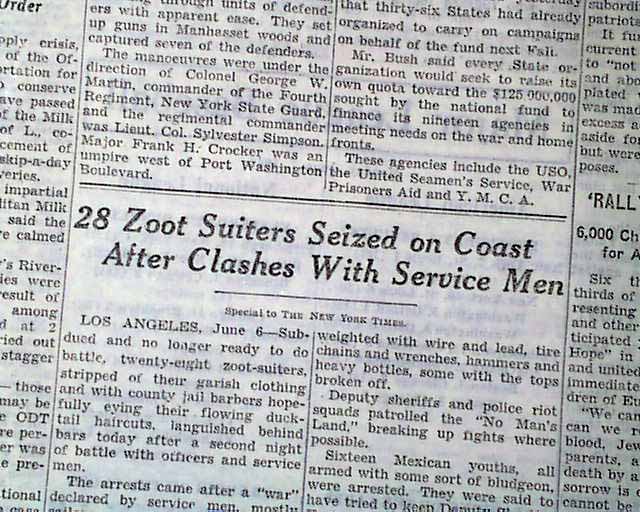
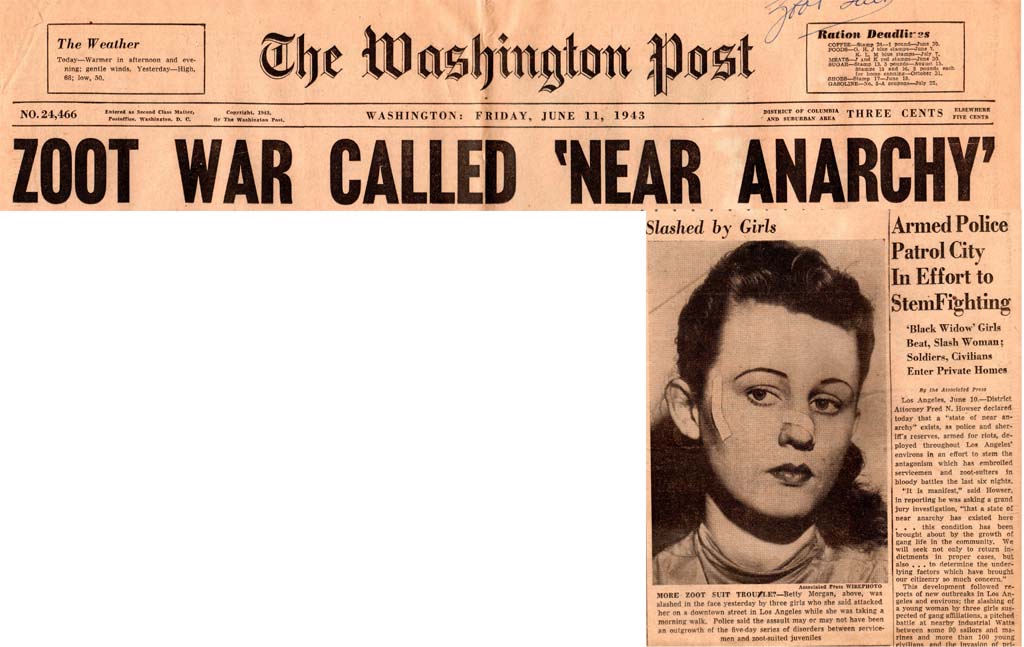
Take a picture like this from the 1930s-1940s of the Clanton 14 gang (which still exists today). To us, they look fairly "respectable" in that they are wearing suits and "formal" shoes. But if you were living in Los Angeles in the 30s and 40s you would probably pin them as being "Zoot Suiters" or "Pachuchos" which carried the same kind of racist connotations of criminality and extravagance that outsiders would associate with "hip hop fashion" or "cholo clothes" in the 80s and 90s.
Essentially, fashion styles popular in poor (particularly non-white) communities are generally seen as "sloppy" because of their associations with the communities, regardless of what they actually look like. We only see gang members from earlier time periods as being "classier" than more modern gang members because we are too far removed from the original context to attach the same connotations that somebody living in that time period would.
This has to do more with evolving standards of dress than the comportment of gang members specifically. Up until the 1950s and 1960s, and even up to the 1970s depending on place, men were expected to wear clothing that we would consider more formal today. A button-down shirt or polo and slacks would be considered a step above casual today, but in that time, it would have been considered the bare minimum of presentability for men in public. Anything less was seen as déclassé, the clothing of manual laborers, or underwear, and a coat and tie at minimum was typically the standard for adult men. By the mid-1950s, the United States was beginning to undergo a cultural shift that made less formal clothing more acceptable, starting with beatniks and hipsters and gradually spreading to the population as a whole. This made things like t-shirts, previously considered underwear, and jeans, which had previously been worn mostly by blue-collar workers like construction workers, became more accepted. As culture in general changed, so did the criminal element, and so gang members came to wear t-shirts and jeans like most other young people in the United States at the time.
However, none of this is to say that gang members were classier back in the day, or that people all dressed better tan they do now. Gang members, of course, committed a massive number of crimes while wearing suits and ties. Suits and other dress clothes, particularly those of the lower classes, were often poorly made, ill-fitting, and/or made from cheap materials to lower prices, meaning that many people wearing a coat and tie weren't dressed in a manner which we would consider good-looking today. In addition, less formal suits, jackets, and slacks came in a wide variety of colors, which ranged from tasteful to (subjectively) eye-searing. Effectively, dress standards have relaxed over the years, but that doesn't mean everyone was wearing a subdued business suit and business tie from 1900 to 1960.