The line of "We hold these truths to be self-evident, that all men are created equal, that they are endowed by their Creator with certain unalienable Rights, that among these are Life, Liberty and the pursuit of Happiness," which isn't completely true, has made me wonder what other white lies or exaggerations were hiding in the Declaration at the time it was written.
I can see many of the grievances being pretty true. Vetoing or neglecting to pass laws, neglecting to allow colonists to reelect officials, colonists not being able to try British soldiers in their own courts, etc.
But some seem maybe a little exaggerated:
-Preventing new citizens to come to the colonies ("...obstructing the Laws for Naturalization of Foreigners...")
Did the colonies actually keep track of who was an illegal immigrant or not? Perhaps those who were obviously immigrants (non-white, non-English speakers) were singled out moreso. Does this line refer more to, say, a British official preventing a boat of immigrants from entering the colonies? They come all the way from a different country just to be told "No" when they make it ashore?
-Provoking Native Americans to attack colonists or colonists to fight among themselves ("...excited domestic insurrections amongst us, and has endeavoured to bring on the inhabitants of our frontiers, the merciless Indian Savages, whose known rule of warfare, is an undistinguished destruction of all ages, sexes and conditions.")
How would Britain entice Native Americans to fight the colonists? Did the colonists provoke these attacks themselves and were just blaming Britain?
Why would the colonists fight among themselves, and if they were, why would Britain be at fault for that? OR am I misinterpreting the line of "excited domestic insurrections amongst us"? I'm assuming it means the British somehow enticed colonists to fight against other colonists.
It really was that bad, but not in the ways you think they are. Let's get it out of the way: the Declaration is first and foremost a piece of propaganda aimed at Patriot sympathizers in England. It's also a legal document, but first and foremost it's propaganda.
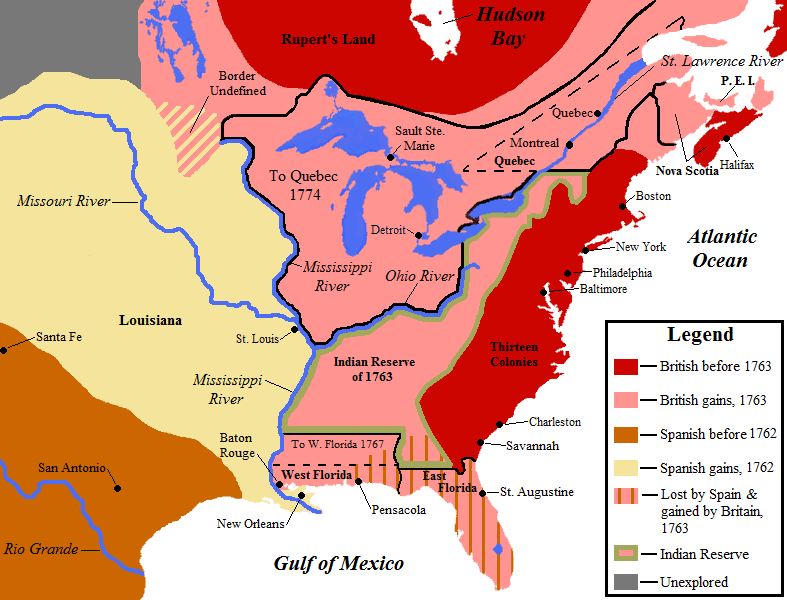
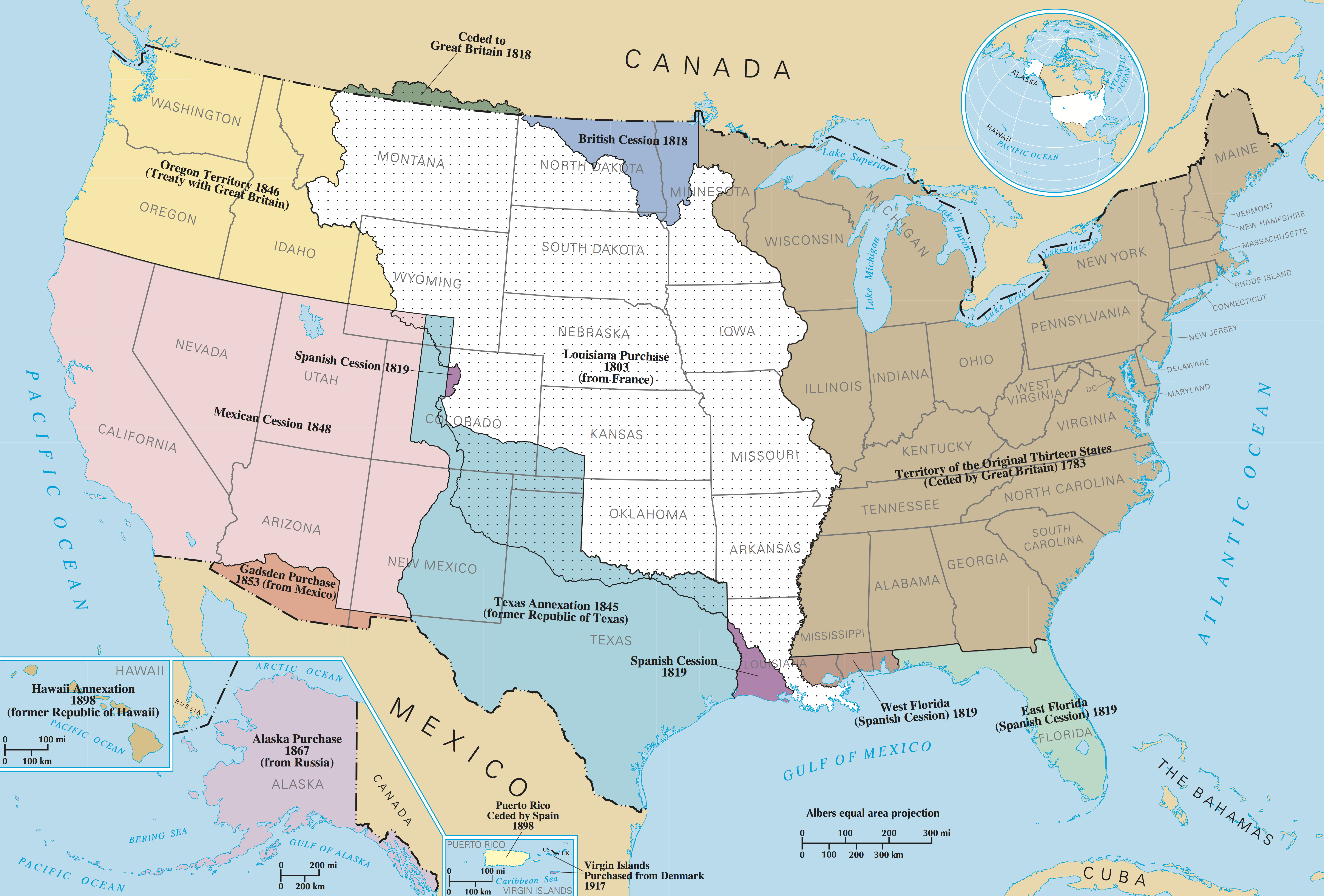
While the famous preamble today is better-remembered, back then the laundry list of complaints was the important part. So, the two claims you've cited are accurate, if you note that the Crown had prohibited settlement in the lands conquered in the French and Indian War, and that a major colonial goal was to drive out the Indians and settle those lands-- which is what happened after 1783. After driving out the French, Colonial settlers really did want to expand into the rich lands beyond the Appalachians, and they wanted British firepower and money to help them do it. Westminster wanted none of that.
There were really two wars going on at the same time: a shooting war in British North America, and a war of words back in Britain. Lord North's Tory government in Parliament, which supported the war, was constantly at odds with a strong pro-American Whig faction. And the Declaration of Independence and other propaganda was aimed at propping up the pro-American factions in Parliament by arguing that the Tories were violating the colonists' rights as Englishmen. (The American colonies were settler colonies, slavery notwithstanding, and the colonial elite was intricately connected to their cousins back home.)
Remember, the Patriots didn't have to win-- they only had to survive and keep their army together long enough to exhaust Britain's willingness to fight. Now, let's fast-forward a few years to 1781 and 1782. The Americans had brought the French, Spanish and Dutch into the war on their side. Franco-Spanish forces allied to the Americans had successfully gone on the offensive in the West Indies, Menorca had fallen, Lord Cornwallis' entire army at Yorktown had been captured. This turned Parliament's (and King George's) opinion against the Tories. Much like the French after Dien Bien Phu, or the Americans after the Tet Offensive, war exhaustion finally caught up to the British.