I've googled, and established that blacks could indeed settle land according to the Homesteading Act of 1862, but I'm still wondering how so many Germans, Irish, Scandinavians, etc. got there before black Americans. Homesteading seems like the perfect escape for blacks at the time: to go north and get land practically for free. What was the holdup?
I think we have two things going on here. First off, quite a few African-American people settled the west. As to why more did not, there are a multitude of reasons.
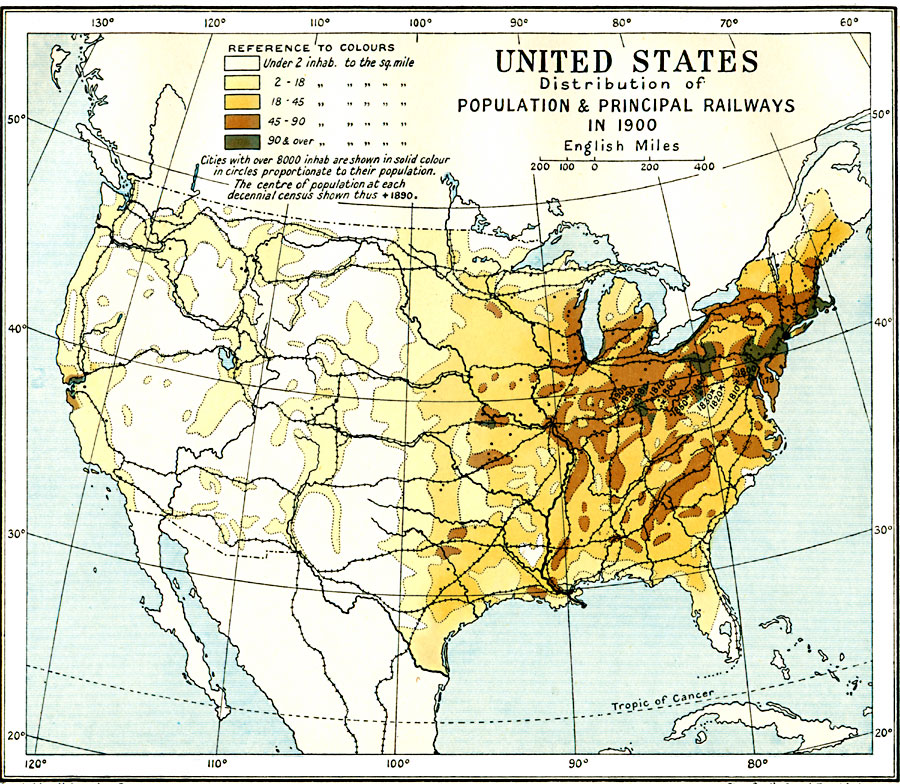
Lets get this out of the way first. Nearly 750,000 African-American people settled the American West by 1900, or about 15% of the total population of African-Americans. The Western states were very sparsely populated, and that is probably proportional to the overall homesteading populations of the west. You can look at this map to show how sparse it was even out to California. There wasn't a lot of anybody out west.
But why didn't more African-American people move west? Quite a lot of reasons.
First of all, why should they move? After the American Civil War many African-American people were promised land throughout the South via the Southern Homestead act of 1866. Few actual claims were granted after 10 years of legal wrangling, and the act was repealed in 1876. That likely put a sour taste in the mouth of many African-American people regarding the promises of the Federal government. Combine this with other lies from government officials, the failure of Reconstruction, and other issues in the south, and it is easy to see why they would be slow to uproot and move across the country on a promise of a white man.
But lets say they do trust the white men and the information they have. Many African-American people are already living on farms of some kind or another. Why move across the country to start a brand new one? Sure, they might not be a share cropper, but sometimes the devil you know is better than the devil you don't. And how are they getting this information anyway? The vast majority of African-American people were illiterate prior to 1880. And I can promise you few of the white people in the south really wanted the African-American sharecroppers to leave. They were very profitable for landowners and worked for less than any immigrant person or native white American. Don't confuse wanting African-American people to stay and work with tolerance. They also wanted to enforce strict social codes of white superiority and separation of the races.
But maybe they still got the information and decide to leave. In the period after the American Civil War few African-Americans had any real money or assets to sell. Homesteading, despite being very cheap, still requires money and resources. You have to be able to afford to move across the country and build a new farm. Even if you could afford that many homesteaded farms still failed within a year because the people did not have the money or resources to stick out a few rough years. When they could not maintain the land it went back for sale and was bought up by someone else.
In the end many African-American people did move. They moved north and into cities starting in the 1880s. There were lots of reasons for them to leave the south, mostly economic hardship, discrimination, and lynching. After the 1870s Reconstruction was truly over and lynching and groups like the KKK became a serious problem. You can see in this map that few lynchings happened in the North. Moving west was a huge economic risk. The west also tended to attract people who did not like African-American people anyway. Moving north usually meant a guaranteed job of some kind in the city that was at least no worse than sharecropping and the hope of less discrimination. Factory work is reliable if nothing else. Farming is notoriously unreliable.
SOME blacks did settle land according to the Homestead Act but overall they were not able to. The Act itself specified that you had to be an American citizen or declare your intention of becoming an American citizen. In 1862 a black person could not become a citizen. Remember that the Dredd Scott decision said that African-Americans, slave or free, could not be American citizens and therefore couldn't sue in Federal court.
Black people were not allowed to become citizens until the 14th Amendment was ratified, allowing anyone who was born on American soil to become a citizen, whether free or slave.