sinking battleships with no air cover doesn't seem to have been a particularly difficult task during world war 2.
in the pacific, the japanese wiped out force z without much trouble; the americans did the same to yamato and musashi.
even in protected harbors with air cover, the japanese did a number on the u.s. pacific fleet's immobile battleships at pearl harbor, and the british did the same to the italians' navy at taranto.
so what went wrong? why did it take the allies 15+ tries to sink one lousy battleship?
A few considerations.
The first is the Fjords compared to Taranto and Pearl. Norway was a MUCH more restricted operating environment compared to the others. To the extent that from what I know, once inside the system the RAF/RN never went after her with torpedo armed craft. That is important because compared to dive bombers a torpedo is a much more reliable way to do lasting damage to a ship.
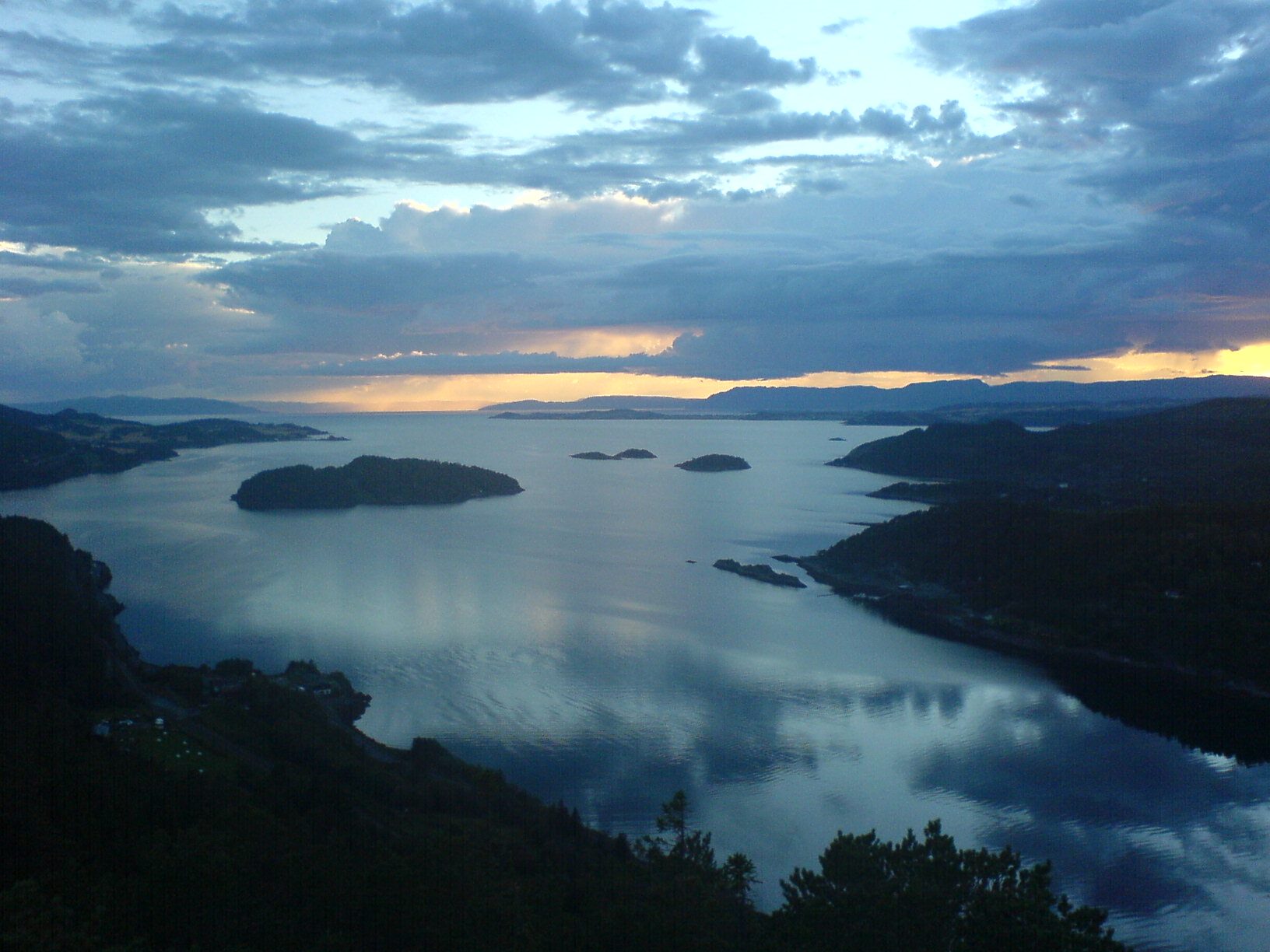
Consider this picture of the Fjord system near where Tirpitz anchored pic, and Taranto, and Pearl. The Fjords offer many more opportunities to place a ship in hard to reach places, protected by both the narrow sides and high ridges around her and right up on the bank basically pic.
The Germans also had the benefit of both warning and foresight. It was obviously a major target, and since the Germans were running short on heavy ships it was easy to concentrate on protecting the few in Norway. Placing them well back into the system also gave time for warnings as attacking bombers would have to pass over alert defenders who knew the enemy would be the only ones in the area with bombers. While by being essentially alone all available defenses could be concentrated on Tripitz, situations not present in degrees at Pearl and Taranto.
Finally the Germans got crafty with their defenses, everything from camouflage netting on the ship, to smoke generators was utilized.