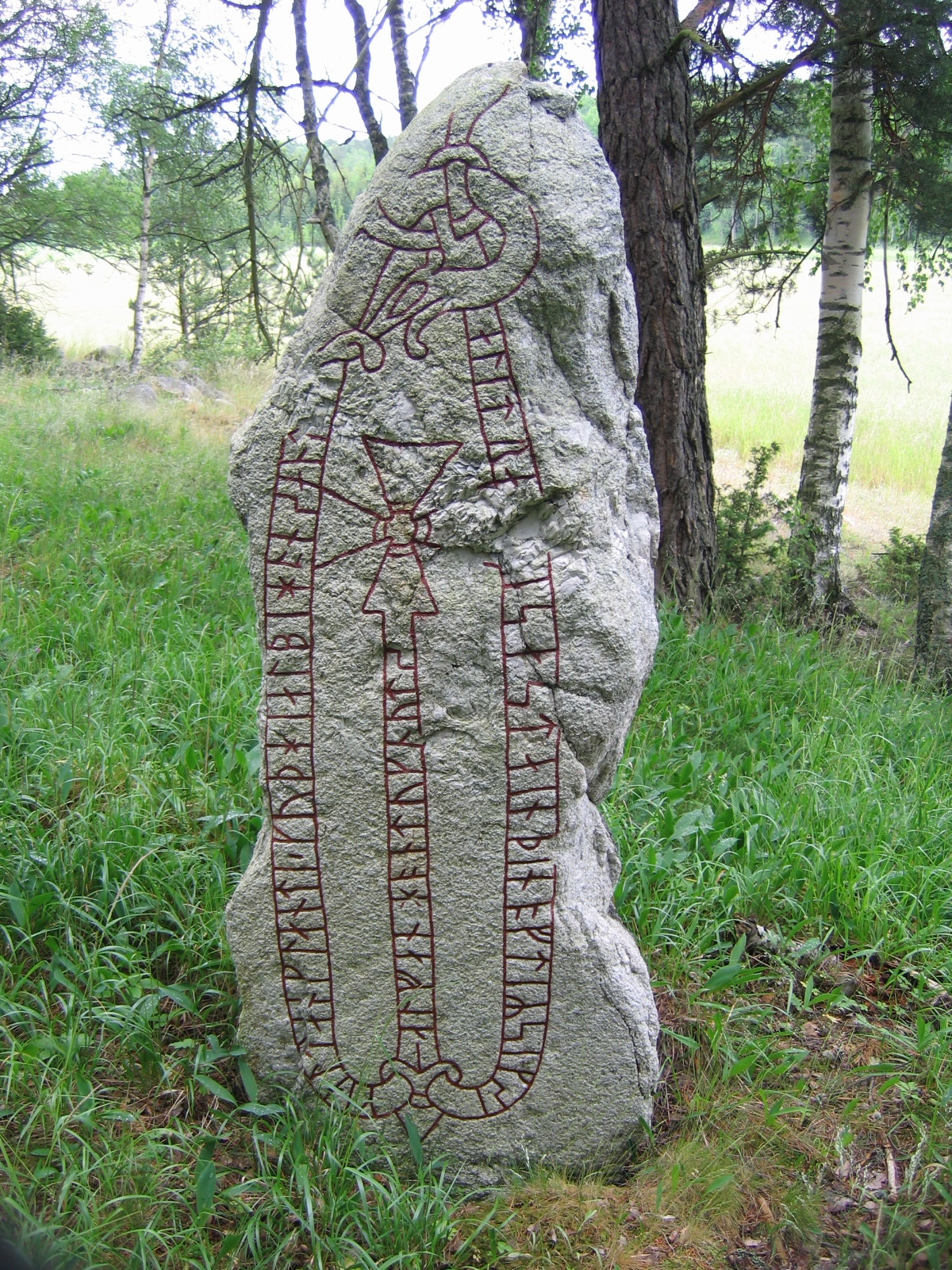
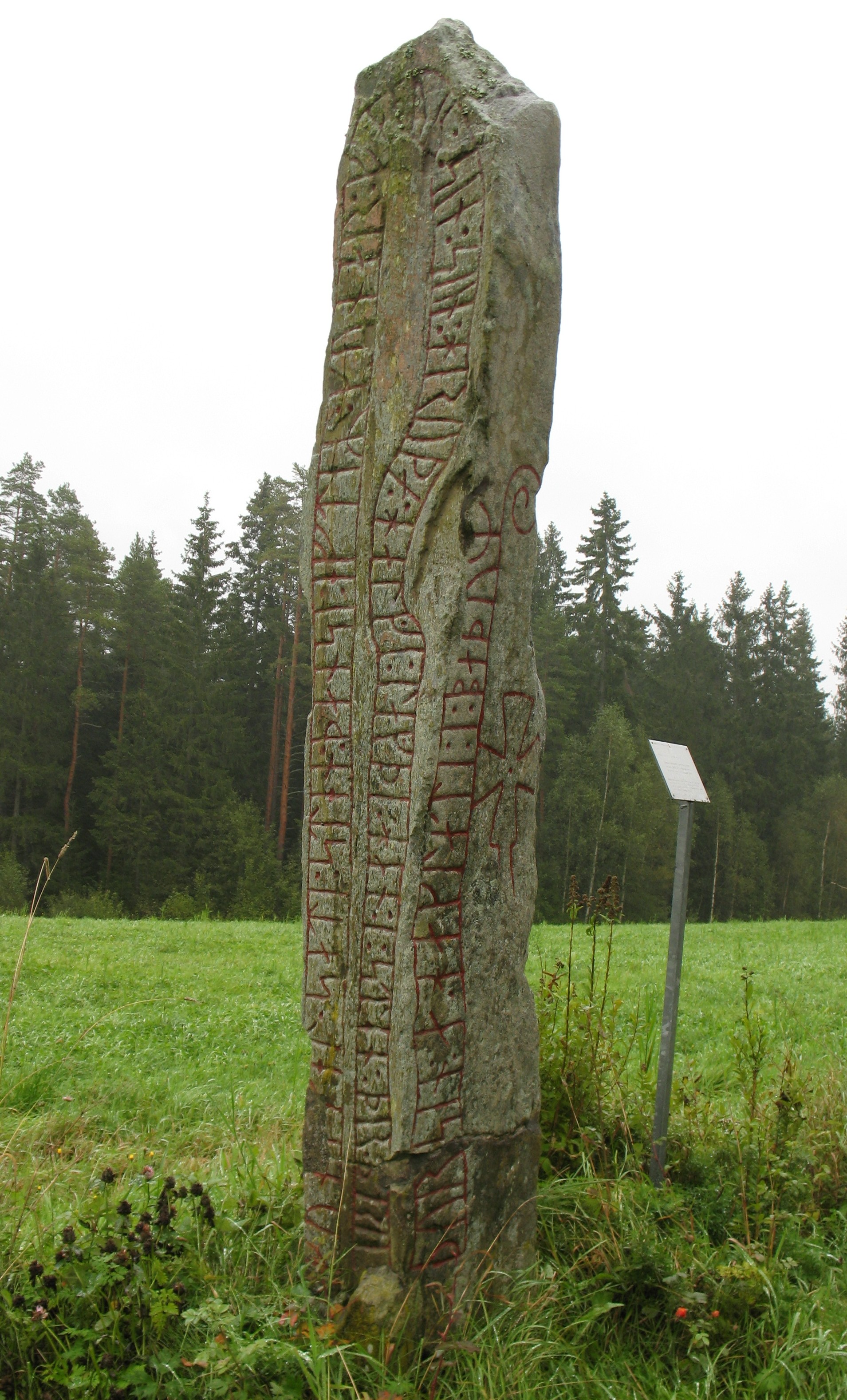
This is actually a pretty hard question to answer with the specific qualifier of the 8th century, as the name "England" didn't become commonplace until the 10th century or so, as we can see from the England runestones. In that later period it would be Ængland in modern East Norse orthography, and spelt in a ton of different ways in actual runes due to the idiosyncractic nature of the Younger Futhark (examples: anklanti, haklati, eklans).
These runestones are from the late 10th and the 11th centuries and are mostly Swedish, and this was indeed the period when most runestones were raised. This coincides with the period when many vikings traveled to England to demand Danegeld.
As for the 8th century, since England/Ængland is fairly transparently formed from Angel + land, it isn't really a stretch to say that they would have used a similar form earlier on, but the question is when the settlement by the Angles and their contact with the Norse became notable enough to warrant a specific name. Moreover, as there wasn't yet a unified England, it is very likely that the names used would denote the specific Anglo-Saxon kingdoms. Modern Icelandic has Bretland for Britain, but this meant Wales in Old Icelandic -- it is possible that it actually referred to the whole island originally as in the original Latin, but came to denote the Welsh when other Germanic speakers took over parts of the island.
But the most truthful answer is: We don't know for sure.