Before answering lets proceed with a warning: most senior members (so not me) here would advise you (correctly so) to avoid that kind of generalization when it comes to social sciences. Humans ere widely believed to have agency. Both “great man theory” and “deterministic” conceptions tend to deprive their subject (or at least the grand majority of them) of study of this property.
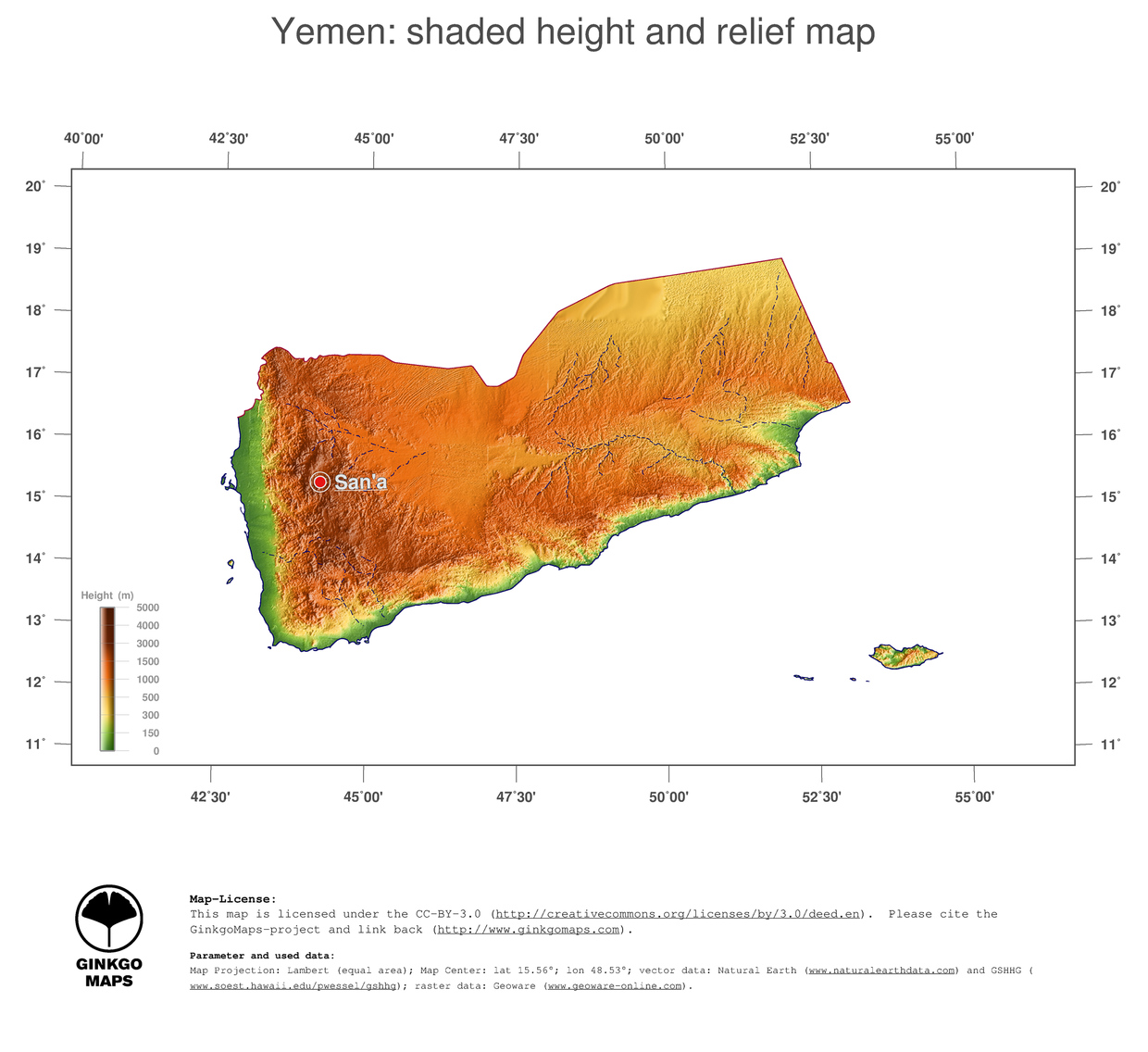
Regardless of your position on the issue, there is another more concrete problem, the fact that in search for a theory one may cherry pick evidence or miss classify it. When you look at the map The Yemen case could be as easily considered an east west divide. Rome famously split east-west, Persia is split east-west, and Japan was also at risk of an east-west split, so they changed the seat of the emperor to Edo and renamed it “eastern capital”. Then again there is a latitudinal difference as well as longitudinal in all these cases. Who decides which counts as what?
So let’s reframe your original question a bit. If countries were more prone to splitting north south than east west, on average they would tend to cover more longitude than latitude. This has been somewhat verified by a peer reviewed paper.
The environmental approach they take seems to explain some of the examples given above. North (or west) Yemen is a mountainous terrain. South Sudan is a tropical rainforest while Sudan proper is a very dry place.
When you think about it, it is not unreasonable to hold that different environments favor specific tactics weaponry and organizational techniques. A state that is successful exerting its power in a given geography may be at a disadvantage elsewhere. Take for example horse nomads who need a very specific ecology to thrive. Canons are heavy and require a lot of ammunition to be transported alongside them, thus a single ship of the line could have over 100 guns, while the entire French army at Borodino had a little under 600. In places with few waterways, the transport of these weaponry became exponentially difficult, Persians for example developed smaller caliber more mobile guns called Zamburaks. These were better suited to the Iranian environment.
Both Korea and Vietnam are relatively thin stretches of land, and it is easier to defend a border that divides the north from the south than the other way around. To summarize, a countries shape is a function of how able a government is when it comes to extending its authority with respect to the other governments. Both general climatological conditions as well as geographical barriers and convenient borders play a role. But one must not disregard the fact that those governments and territories are populated by people that make choices affecting these general trends.